Sorter Installation
Sorters are the highest-stakes installed on the floor: thousands of feet of precision equipment that must run day one of peak. MTLI installs cross-belt, shoe, and tilt-tray sortation with the tolerances, project management, and site coverage the schedule demands.
The MTLI Advantage
- Cross-belt, sliding shoe, and tilt-tray experience across major platforms
- Rail and carriage tolerances held over thousands of feet
- Divert, chute, and takeaway integration in the same scope
- Around-the-clock shifts when the go-live date is peak
- Installation partner to the major sortation integrators
- Project management and site supervision on every shift
Cross-Belt Sorters
Track, carriages, and induction lines set to tolerance. Our team follows equipment specifications when positioning and aligning these components. Careful conveyor sorter installation helps maintain the required clearances and supports consistent movement throughout the sortation system.
Shoe & Tilt-Tray Sorters
Slat, shoe, and tray systems mechanically complete. Our installers assemble the mechanical components according to the system requirements. Proper positioning helps support smooth component movement and prepares the equipment for subsequent installation checks.
Inductions & Diverts
Merges, inductions, chutes, and takeaways installed. Our team installs and positions these components to match the planned package flow. Coordinating their placement helps packages move between conveyor lines, sorting equipment, and designated destinations.
Structural & Platforms
Support steel and access platforms from the same crew. Our crew installs the required structural support and access platforms as part of the project scope. Coordinating this work with sorter installation helps align supporting structures with equipment layout requirements.
Project Management
Sequencing against controls, integrators, and building trades. Our project management team coordinates installation activities with controls specialists, sortation integrators, and other building trades. Clear sequencing helps keep work aligned with project milestones and site requirements.
Multi-Site Programs
Network rollouts: 18+ facilities delivered in one program. Our team coordinates installation activities across multiple facilities within a unified project plan. Consistent scheduling and communication help maintain alignment across locations while addressing each site's installation requirements.
Precision Requirements for Cross-Belt Sorter Installation
Accurate conveyor sorter installation is essential for cross-belt sorters, where tracks, carriages, and induction points must align with the equipment specifications.
Track Alignment
Position sorter tracks according to approved layouts and installation specifications. Consistent alignment helps carriages travel along the intended path throughout the system.
Carriage Positioning
Check carriage placement and movement along the track. Proper positioning helps maintain consistent operation and reduces the risk of mechanical interference.
Induction Point Accuracy
Align induction equipment with the sorter to support smooth package loading. Correct positioning helps packages enter the system in a suitable position for sorting.
Clearance Checks
Verify clearances around moving components and connected equipment. Adequate spacing helps prevent interference during operation and supports reliable sorter movement.
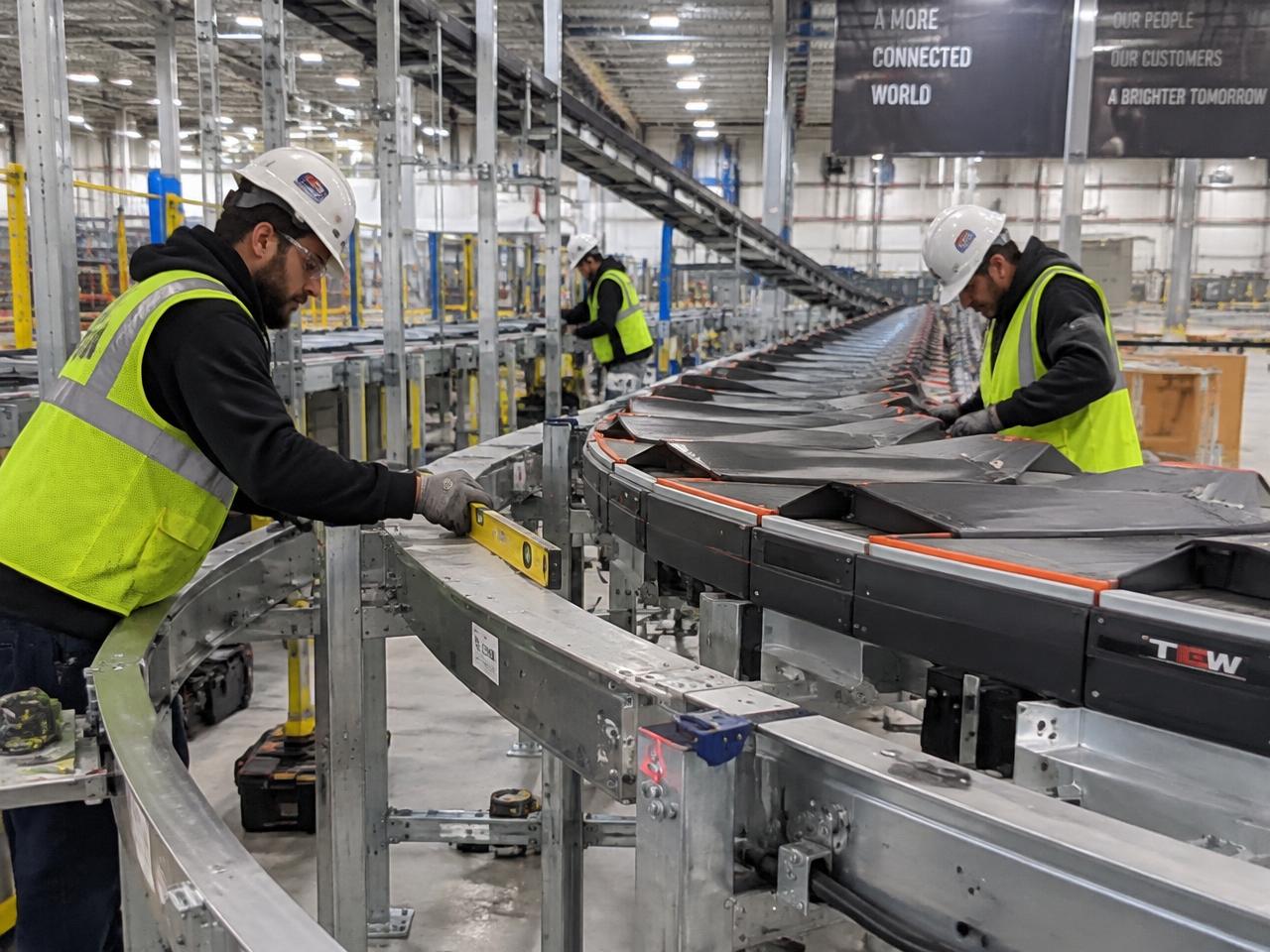
How We Work
Layout & Survey
Building steel and datum lines verified before track lands. Our team reviews the installation area, checks structural reference points, and confirms layout requirements before equipment placement begins. This helps establish accurate positioning for the sorter system.
Structure
Supports and platforms erected to survey. Our crew installs structural support and access platforms according to the approved layout. Proper positioning provides the required foundation for sorter tracks and associated equipment.
Track & Carriages
Sorter mechanics set and aligned to spec. Our installers position and align the tracks and carriages according to equipment specifications. Careful alignment helps maintain the required clearances and supports consistent mechanical movement throughout the system.
Inductions & Chutes
Feeds and takeaways connected. Our team installs and connects induction equipment, chutes, and takeaway conveyors according to the planned configuration. These connections support the movement of packages into the sorter and toward their designated destinations.
Mechanical Commissioning
Slow-run verification with the controls team. Our crew works with the controls team to check mechanical movement at a controlled speed. This process helps identify alignment concerns or other installation issues before progressing further system testing.
Rate Support
On-site through ramp to full sort rate. Our team provides on-site support as the system progresses through operational ramp-up. This helps address installation-related concerns and supports the transition toward the planned sorting rate.
Integrating Sorter Systems with Warehouse Automation
Sortation system installation requires coordination with connected warehouse equipment and automation processes. Proper integration helps ensure that packages move between different parts of the facility as intended.
Conveyor Connections
Align infeed and takeaway conveyors with the sorter layout. Proper connections support the movement of packages between conveyor lines and sorting equipment. Check conveyor heights, transfer points, and connection positions against the approved layout. Proper alignment helps maintain a smooth package flow and reduces the risk of transfer issues during operation.
Controls Coordination
Coordinate mechanical installation activities with the controls team. This helps prepare the equipment for system checks and the planned startup process. Discuss installation milestones and testing requirements with the controls team before commissioning begins. This coordination helps identify potential integration issues and ensures mechanical components are ready for planned system verification.
Infeed and Outfeed Alignment
Review transfer points where packages enter or leave the sorter. Suitable positioning helps maintain consistent package movement between connected systems. Check the positioning of conveyor interfaces and induction or discharge points against equipment specifications. Accurate alignment helps packages transfer between systems smoothly and supports consistent movement throughout the sortation process.
System Compatibility
Consider the layout and operating requirements of existing warehouse equipment. Reviewing these factors early helps identify integration needs before installation is completed. Evaluate how the new sorter will connect with current conveyor lines, automation equipment, and material handling processes. Identifying compatibility requirements during planning helps teams address necessary adjustments before final installation and testing.
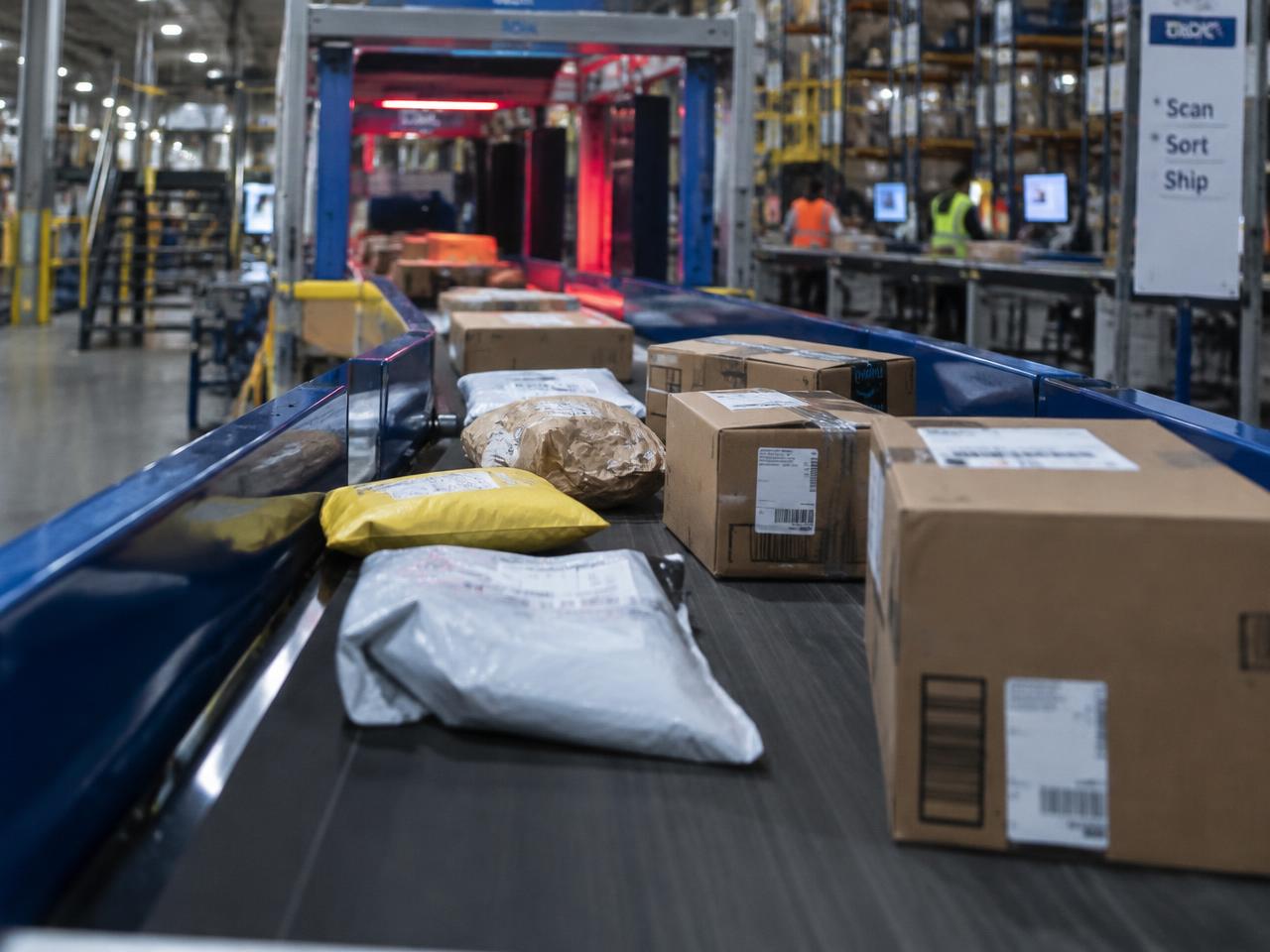
Sortation System Installation for Different Package Types
Different package sizes, shapes, and weights can influence the sortation of system requirements. Understanding the inventory being handled helps determine suitable equipment arrangements and package flow paths.
Small Parcels and Envelopes
Consider how smaller items will be introduced into the sortation system. Suitable induction arrangements help support consistent handling throughout the sorting process.
Cartons and Shipping Boxes
Review carton dimensions and weights when planning a sorter configuration. This helps ensure the installation aligns with the package handling requirements of the facility.
Mixed-Size Packages
Account for variations in package dimensions when planning conveyor connections and induction points. The system layout should reflect the range of items expected to pass through the sorter.
Irregularly Shaped Items
Consider how non-standard packages will be introduced and moved through the system. Reviewing these handling requirements helps identify potential challenges before conveyor sorter installation begins.
18-Facility Sortation Program
"MTLI installed conveyor and sortation across 18+ of our facilities in a multi-phase program: thousands of feet of equipment, one standard, every go-live met."
, Program Executive, Large E-Commerce Company
Sorter Installation for Facility Upgrades
Facilities may need sorter installation when replacing older equipment, expanding capacity, or adapting to changing distribution requirements. Planning around existing infrastructure helps support an organized upgrade.
Replacing Existing Equipment
Review the current sorter layout and identify installation requirements for the replacement system. This helps determine how the new equipment will fit within the available space. Assess the condition of existing structures, conveyor connections, and access points to identify components that may need adjustment. Early planning also helps coordinate equipment removal and installation activities.
Expanding Sortation Capacity
Assess where additional sorting lanes, destinations, or equipment may be required. The proposed layout should account for existing operations and the facility's available space. Consider current package volumes, anticipated demand, and available floor space when evaluating expansion options. This helps align the new configuration with operational needs while allowing for future growth.
Working Around Existing Infrastructure
Consider building structures, conveyor lines, and other installed equipment before planning changes. This helps identify access limitations and potential installation constraints. Review equipment clearances, support locations, and material movement paths to determine how installation work can proceed safely. Identifying these factors early helps reduce conflicts between new equipment and existing warehouse systems.
Coordinating Upgrade Activities
Plan installation tasks around the facility's operational requirements and project schedule. Clear coordination helps teams prepare equipment changes and manage disruptions where necessary. Coordinate with facility personnel, automation teams, and other project partners to establish work sequences and installation windows. This supports smoother communication, helps manage operational impacts, and keeps upgrading activities aligned with project milestones.
Sorter Testing and Operational Readiness
Before a newly installed sorter enters regular operation, the installation team and relevant project partners need to review mechanical readiness and resolve outstanding issues. This supports a more organized transition towards startup.
Mechanical Movement Checks
Check that tracks, carriages, and other moving components operate according to installation requirements. Identify any alignment or movement issues that need attention before startup.
Induction and Divert Verification
Review the positioning and mechanical operation of induction points and divert equipment. These checks help confirm that key components are ready for coordinated system testing.
Controls Team Coordination
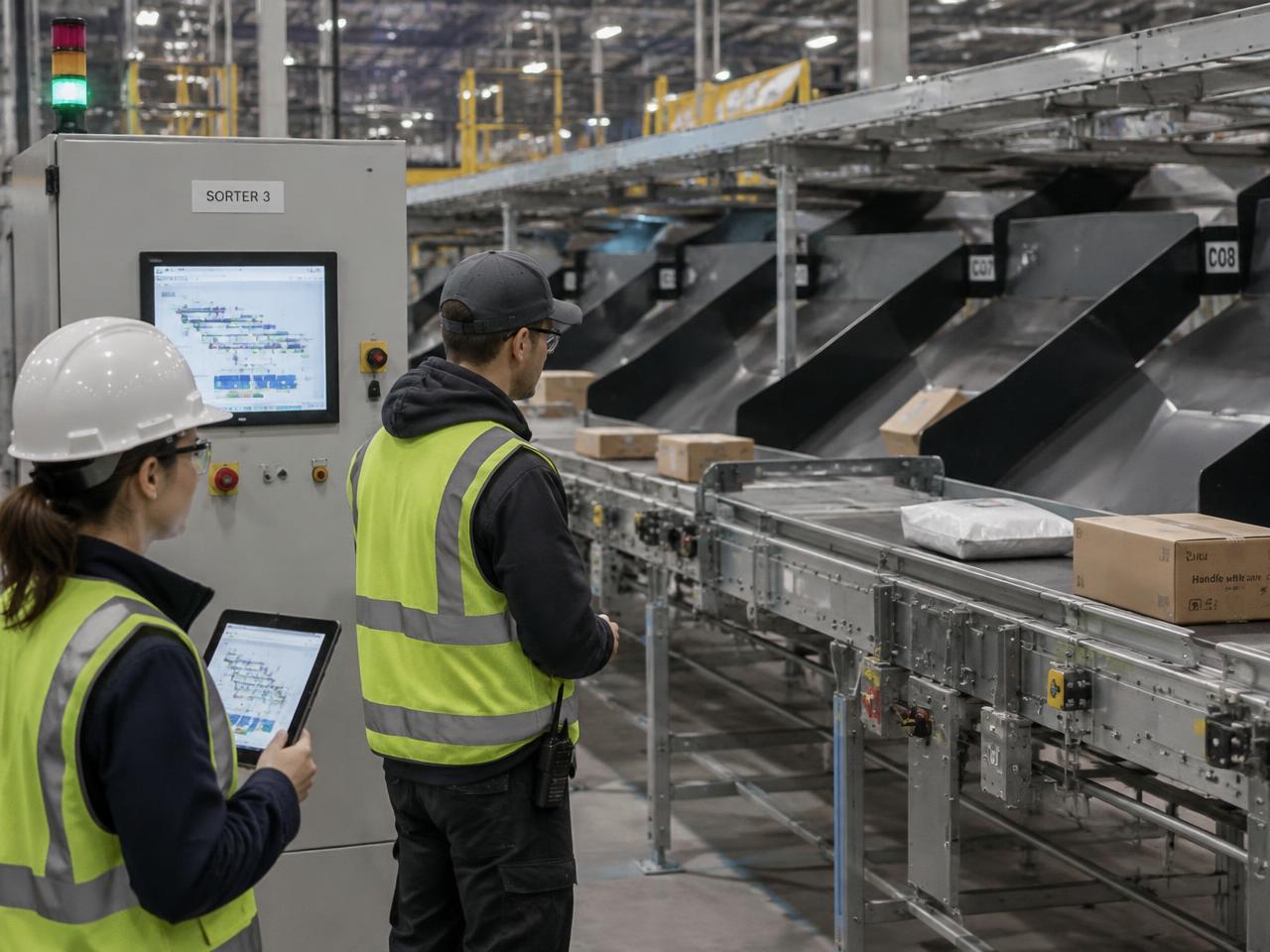
Work with the controls team during planned testing and verification activities. Coordination helps identify issues involving mechanical equipment and connected control functions.
Issue Resolution Before Startup
Document installation issues identified during testing and arrange the necessary corrections. Completing outstanding work helps prepare the system for the next stage of operational readiness.
Common Questions, Answered
What information is needed to plan a conveyor sorter installation?
Useful details include the facility layout, sorter specifications, package handling requirements, installation schedule, and existing conveyor arrangements. These details help the project team understand site conditions and coordinate installation activities.
Can MTLI support a sortation system installation during peak season preparation?
MTLI provides around-the-clock shifts when project schedules require them, including installations with peak-season go-live dates. Early planning helps coordinate installation activities with the required completion schedule.
Which types of sortation systems can MTLI install?
MTLI installs cross-belt, sliding shoe, and tilt-tray sortation systems. The installation scope can also include related components such as inductions, diverts, chutes, takeaways, structural supports, and access platforms.
What is included in cross-belt sorter installation?
It involves setting and aligning tracks, carriages, and induction lines to the required tolerances. The scope may also involve coordinating connected equipment and preparing the mechanical system for verification.
Can conveyor sorter installation include infeed and takeaway conveyors?
Yes, MTLI's listed services include the integration of inductions, chutes, and takeaways within the installation scope. The specific conveyor connections and related work can be established during project planning.
How does MTLI coordinate sorter installation with automation teams?
MTLI coordinates installation sequencing with controls teams, sortation integrators, and building trades. This helps align mechanical installation activities with the wider project schedule and system integration requirements.
Can MTLI install sortation systems across multiple facilities?
Yes, MTLI supports multi-site installation programs. The company reports delivering network rollouts across 18 or more facilities in one program, making it an option for businesses to plan installations at multiple locations.
Can sorter installation accommodate changes to an existing sorting system?
Potential changes depend on the existing equipment, available space, and requirements of the proposed system. Reviewing the current layout and infrastructure helps identify installation constraints and determine the scope of any modifications.
Related Pages
Industries We Serve
Deep-Dive Guides
Plan Your Sorter Installation with MTLI Group
Need a reliable sorter installation partner? Contact MTLI Group to discuss your equipment, facility requirements, project schedule, and installation scope with our team.