Industrial Rigging Services
Heavy equipment moves on engineering, not luck. MTLI's certified riggers plan and execute machinery lifts, plant moves, and precision placements. Our industrial rigging services include lift plans stamped where required, exclusion zones enforced, and equipment set exactly where the drawing says.
Heavy Equipment Moves Start with the Right Rigging Expertise
Industrial equipment moves require careful planning, suitable lifting methods, and experienced crews. Whether relocating individual machines or moving complete production lines, every operation must account for equipment weight, facility layout, access restrictions, and placement requirements.
MTLI provides industrial rigging services for complex equipment moves, helping businesses manage machinery lifting, relocation, and precision placement. Each project is approached with attention to site conditions, equipment requirements, and operational schedules.
From initial lift planning to final positioning, MTLI coordinates the equipment and expertise needed to carry out controlled machinery moves while managing the challenges of active industrial environments.
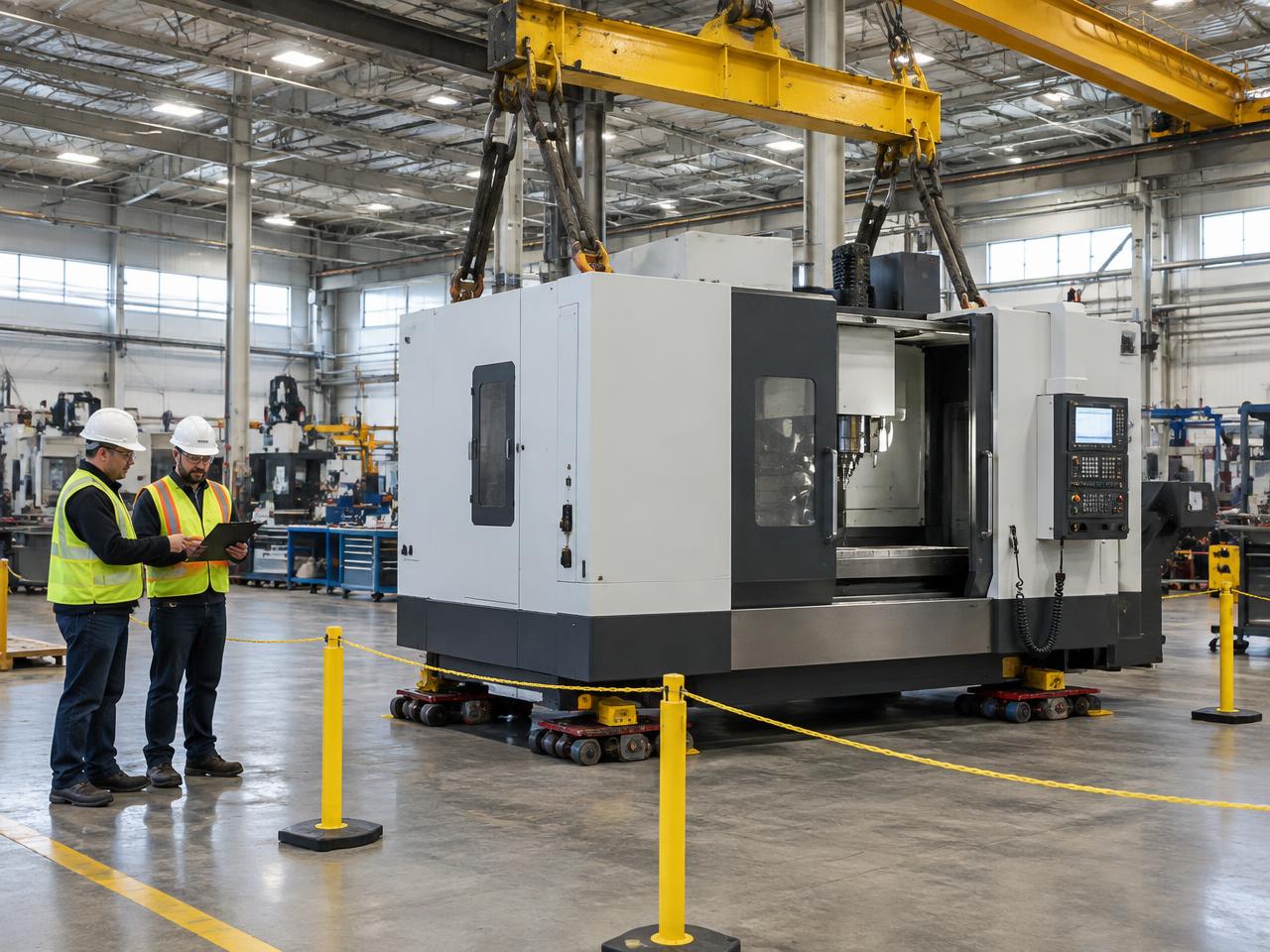
The MTLI Advantage
- Certified riggers with engineered, documented lift plans
- Gantries, jacks, skates, and cranes matched to the lift
- Machinery placed to millimetre marks and anchored
- In-plant moves through tight paths live plants demand
- One team with the millwrights who set and align after the lift
- Insurance-grade documentation on every lift
Machinery Rigging
Presses, CNC, and production equipment lifted and set.
Plant Relocation Lifts
Sequenced rigging for full line and plant moves.
Precision Placement
Tight-tolerance sets onto anchors and pads.
Crane & Gantry Work
Engineered picks inside and outside the building.
Project Management
Permits, routes, and schedules owned end to end.
Site Coverage
Supervised lifts with exclusion zones enforced.
Industries That Require Professional Rigging Services
Many industries depend on heavy machinery and specialized equipment to maintain their operations. Professional industrial rigging services can support equipment installation, relocation, and facility upgrades across a range of working environments.
Manufacturing
Manufacturing facilities use presses, CNC machines, and production equipment that may need to be relocated during machinery upgrades, facility expansions, or production line changes.
Automotive
Automotive facilities rely on specialized production machinery and equipment. Rigging supports the movement and positioning of these assets during installations and operational changes.
Warehousing and Distribution
Warehouses and distribution centers may require equipment relocation when changing layouts, upgrading facilities, or modifying operational workflows.
Food and Beverage Processing
Processing and packaging facilities use machinery that can involve specific access, handling, and placement requirements during relocation or installation projects.
Industrial Processing
Industrial processing operations often depend on large machinery and equipment. Planned rigging helps manage equipment movement during maintenance projects, upgrades, and facility changes.
Construction and Infrastructure
Construction and infrastructure projects may require heavy machinery and industrial components to be lifted, moved, and positioned according to site and project requirements.
Types of Industrial Equipment We Rig
Industrial facilities use machinery of different sizes, weights, and configurations. Each type requires an appropriate handling and lifting plan to support its relocation or installation.
Manufacturing Machinery
Presses, CNC machines, and production equipment often require controlled lifting and accurate positioning. MTLI plans machinery moves around equipment dimensions, weight, and installation requirements.
Processing Equipment
Industrial processing units can involve complex lifting and placement requirements. The team considers access routes and site conditions when planning how equipment will be moved.
Production Line Equipment
Moving production line equipment requires coordination between individual machines and the wider facility layout. MTLI supports machinery relocation during plant upgrades, layout changes, and production line moves.
Heavy Industrial Components
Large equipment and industrial components may require specialized lifting arrangements. Each move is planned according to the load characteristics and available working space.
What to Consider When Hiring an Industrial Rigging Company
Choosing an experienced rigging company is an important part of planning a machinery move. The right provider should understand the equipment, site conditions, lifting requirements, and coordination needed to complete the work.
Relevant Project Experience
Look for experience handling machinery and equipment similar to what your facility needs to move. Familiarity with different load types and industrial environments can help with project planning.
Engineering and Lift Planning
Ask how lifting requirements are assessed and documented. Lift plans should account for load characteristics, site conditions, access routes, and engineering requirements where applicable.
Suitable Rigging Equipment
The provider should be able to select appropriate equipment, such as cranes, gantries, hydraulic jacks, and machinery skates, based on the specific lifting task.
Safety Procedures
Understand how the team manages exclusion zones, access routes, and site-specific risks. Clear safety planning is essential when machinery moves take place in active facilities.
Precision and Placement Capabilities
Check whether the provider can position and anchor machinery according to project drawings and required tolerances. This is particularly important when equipment must be prepared for subsequent installation or alignment.
What Makes MTLI the Right Choice for Industrial Rigging?
MTLI combines experienced rigging crews, suitable lifting equipment, and coordinated project planning to manage demanding machinery moves.
Engineered Lift Planning
Certified riggers prepare documented lift plans, with engineering approval where required.
Specialized Equipment
Gantries, hydraulic jacks, machinery skates, and cranes are selected according to project requirements.
Precision Placement
Machinery is positioned according to specified measurements and anchoring requirements.
Complex In-Plant Moves
Equipment movement is planned around restricted access and active facility conditions.
Rigging and Millwright Capabilities
One coordinated team can manage lifting, machinery setting, and alignment.
Project Documentation
Lift-related documentation is maintained to support project requirements.
With MTLI, you get a coordinated rigging partner focused on careful planning, controlled execution, and precise equipment placement from start to finish.
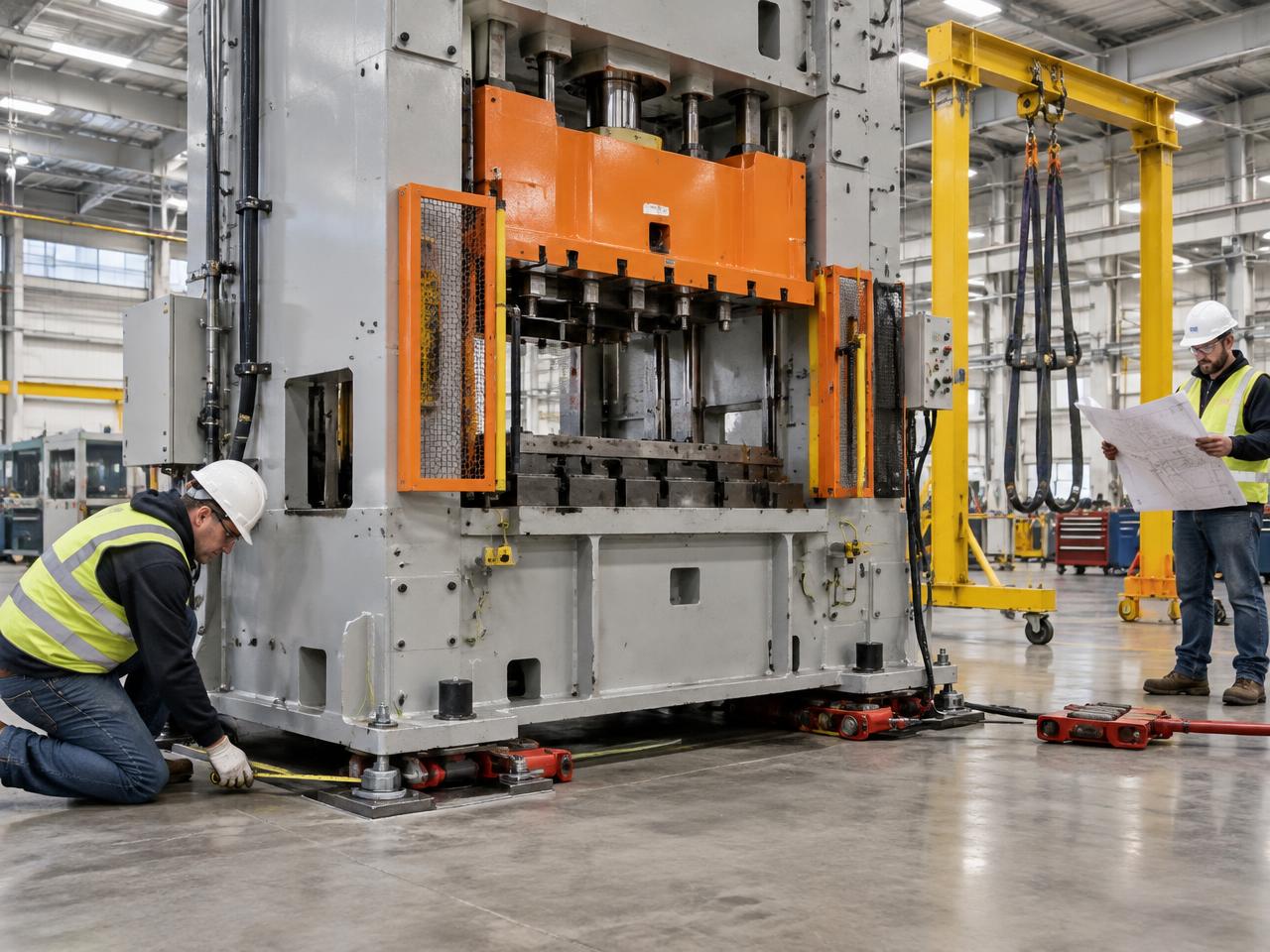
Challenges in Heavy Machinery Rigging and How We Manage Them
Heavy machinery moves can involve several site-specific challenges. Understanding these requirements early helps establish an appropriate lifting plan and movement sequence.
Restricted Access and Tight Spaces
Large machinery may need to pass through narrow entrances, corridors, or congested production areas. MTLI reviews access routes and available clearance to plan the movement sequence before work begins.
Heavy or Uneven Loads
Equipment weight and load distribution influence the lifting method and equipment selection. The team considers these characteristics when planning controlled lifting and movement.
Minimizing Operational Disruption
Rigging work may take place in active industrial facilities where other operations are continuing. Planned schedules, controlled work areas, and exclusion zones help manage the work around existing activities.
Accurate Machinery Positioning
Equipment often needs to be placed at specific locations to support installation and alignment. MTLI coordinates the lifting and positioning process around the required placement points.
Project Coordination
A machinery move can involve site surveys, route preparation, lifting, placement, and documentation. Coordinating these stages helps maintain consistency between the project plan and on-site execution.
How We Work
Lift Survey
We assess the machinery, site conditions, and access requirements before work begins. Equipment weights, centers of gravity, lifting points, and movement paths are documented. This initial review helps identify project requirements and potential challenges.
Lift Plan
Based on the survey, we develop a lift plan suited to the equipment and site conditions. The plan outlines the lifting method, required rigging equipment, and movement sequence. Engineering review and stamping are arranged where required.
Route Prep
Before lifting begins, we prepare the movement route and working area. Floor conditions, access clearances, and potential obstructions are reviewed. Suitable surface and equipment protection measures are also arranged.
Execute
Our certified crews carry out the planned lifting and movement operations using the selected equipment. Exclusion zones are maintained, and the lift is coordinated according to the approved plan. The team monitors site conditions throughout the operation.
Set & Anchor
Once the machinery reaches its destination, it is positioned according to the specified marks and placement requirements. Equipment is then secured to the required anchors or foundations. This prepares the machinery for the next stage of installation or alignment.
Document
After the work is completed, we organize relevant lift records and project photographs for your files. Documentation provides a record of the lifting and placement work carried out. This helps keep project information available for future reference.
Press Line Rigging Program
"MTLI rigged four presses through a live plant with centimetres of clearance. Every lift matched the plan on the wall, which is exactly what our insurer wanted to see."
, Plant Engineer, Automotive Supplier
Common Questions, Answered
Are your lift plans engineered and documented?
Every lift: engineered plans, stamped where required, with weights, rigging, and exclusion zones documented for your safety file and insurer.
Can you rig inside a live plant?
Yes, tight-clearance moves through operating plants are our specialty, with routes, protection, and timing planned around production.
What is the heaviest equipment you handle?
Multi-ton presses, production machinery, and plant equipment: gantries, jacks, skates, and cranes matched to the lift rather than forced onto it.
Do the same crews set and align after the lift?
Yes, our millwrights take over the moment the load lands: setting, levelling, anchoring, and alignment as one continuous scope.
What information is needed before planning an industrial rigging project?
The rigging team typically needs details about the equipment's weight, dimensions, center of gravity, lifting points, and destination. Site layouts, access restrictions, and project timelines also help determine the appropriate lifting plan.
Can industrial machinery be moved without dismantling it?
In some cases, machinery can be moved as a complete unit. This depends on its dimensions, weight, access routes, and lifting requirements. A site assessment helps determine whether dismantling is necessary.
How do you prepare a facility for heavy machinery relocation?
Preparation may include reviewing floor capacity, measuring access clearances, identifying movement routes, and protecting surrounding areas. The team also establishes controlled work zones before lifting and moving equipment.
Can you handle machinery relocation within an existing facility?
Yes. Industrial rigging can support internal machinery moves, including relocating equipment between production areas or repositioning machinery within an active facility. The movement plan accounts for access, surrounding operations, and placement requirements.
Why is precision placement important during machinery rigging?
Accurate placement helps ensure machinery reaches its designated position according to project drawings and installation requirements. Correct positioning also supports subsequent anchoring, setting, and alignment work.
Do industrial rigging projects require a site assessment?
A site assessment helps identify equipment requirements, lifting access, floor conditions, potential obstructions, and other site-specific considerations. This information supports the development of an appropriate lift plan before work begins.
Related Pages
Industries We Serve
Deep-Dive Guides
Ready to Get Started?
Contact our team today for a free consultation and customized quote. Work with a trusted rigging company for professionally planned lifts, machinery positioning, and coordinated equipment moves.