Facility Maintenance Solutions
One Contract. One Partner. Total Control Across Every Site.
MTLI Group provides enterprise clients with a single, accountable partner to manage day-to-day facility needs, capital projects, and multi-site portfolios under one Facility Management & Master GC Services agreement. Our integrated approach to facility maintenance solutions brings facility operations, construction, and ongoing support together under one partner.
Talk to a Maintenance Specialist
Skip the RFP maze. Tell us where to reach you and a specialist calls within one business day with real scope, real numbers, and a real plan.
We operate as:
All combined into one service line.
Full Lifecycle Facility Solutions
MTLI acts as the prime contractor and overseer for:
- Everyday facility work
- Ongoing maintenance & repairs
- Project-based improvements
- Full construction builds
- National and multi-site rollouts
- Capital project delivery
You manage one relationship.
We manage everything underneath.
Everything Your Facilities Need
1. Ongoing Facility Management
Delivered under a Master Services Agreement (MSA)
- Painting & finishes
- Drywall & wall systems
- Flooring & repairs
- Doors, frames & hardware
- General carpentry
- Storage systems & reconfigurations
- Site repairs & improvements
- Trade coordination & dispatch
2. Project-Based Construction
MTLI acts as Direct GC
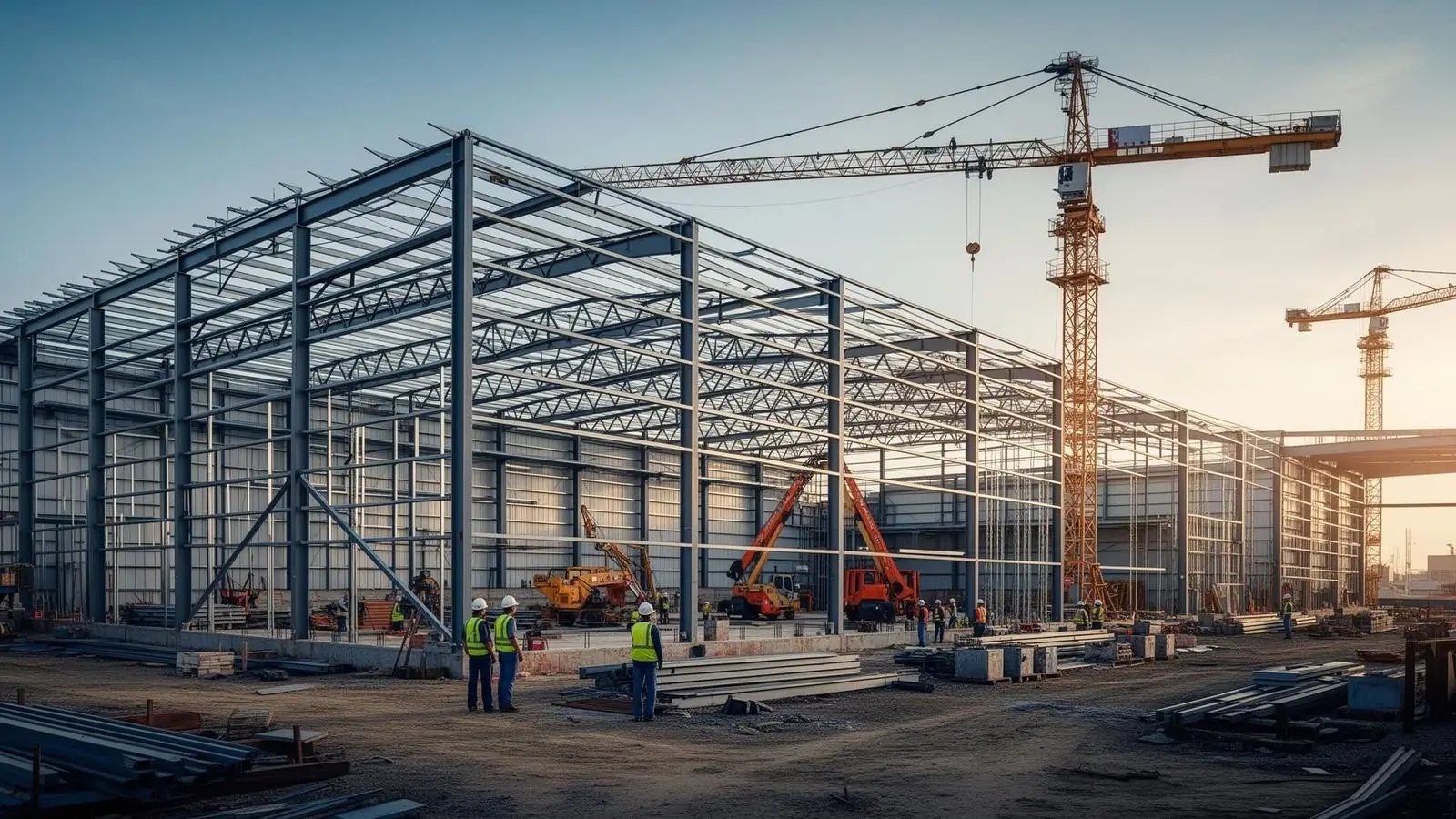
- Office renovations & fit-outs
- Warehouse reconfigurations
- Mezzanines, platforms & structures
- Automation prep & coordination
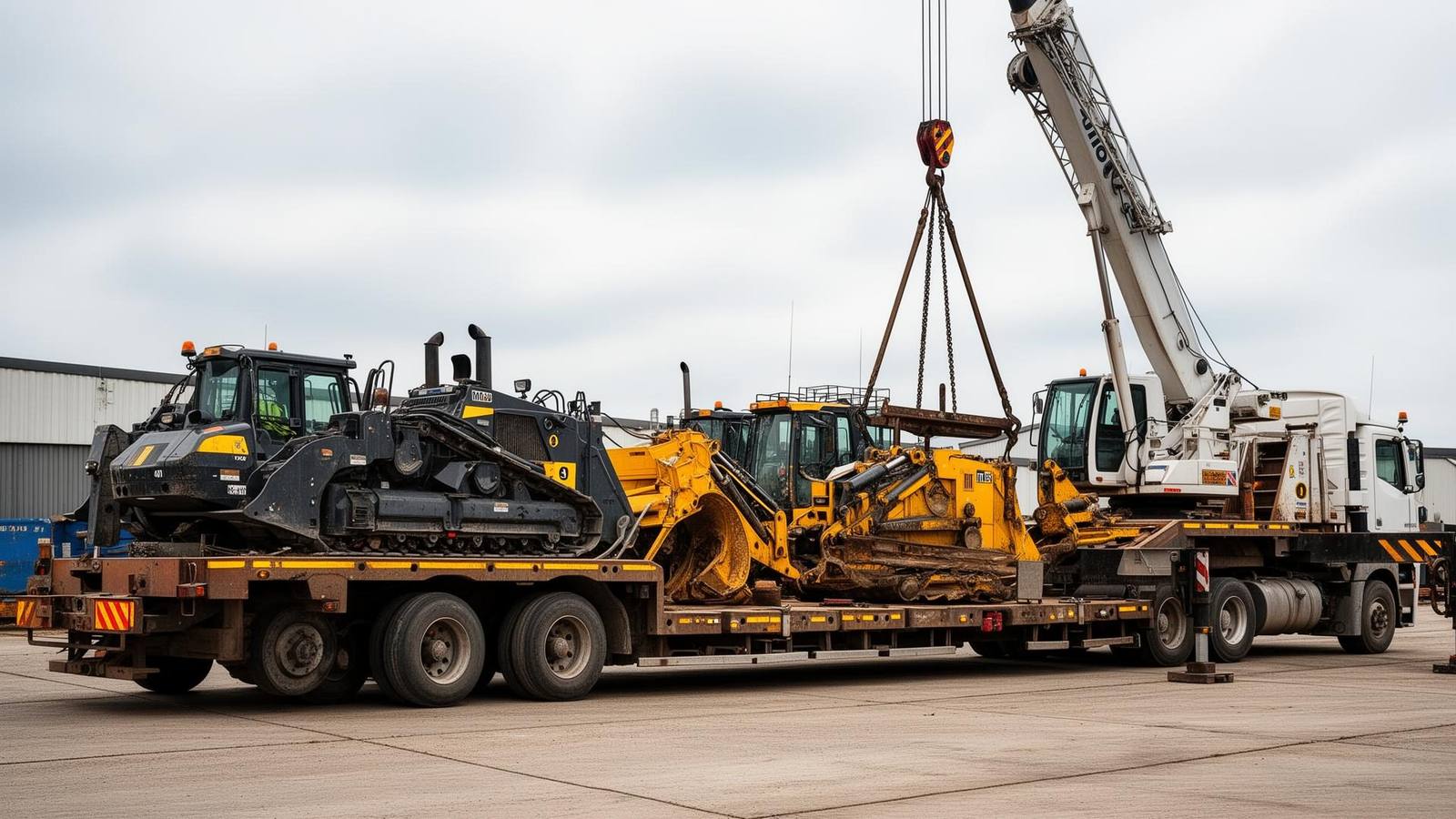
- Equipment relocations
- Shutdowns & retrofits
3. Full Builds & Capital Projects
Design-build or GC-led delivery
- Ground-up and interior builds
- Multi-phase construction programs
- Expansion & retrofit projects
- Schedule, cost & risk control
- End-to-end trade management
- Design-build or GC-led delivery
4. Multi-Site Facility Management
This is where MTLI separates itself through coordinated Multi-Site Facility Management across locations and regions
- Multiple facilities
- Multiple regions
- Multiple trades
- One reporting system
- Consistent standards
- Unified governance
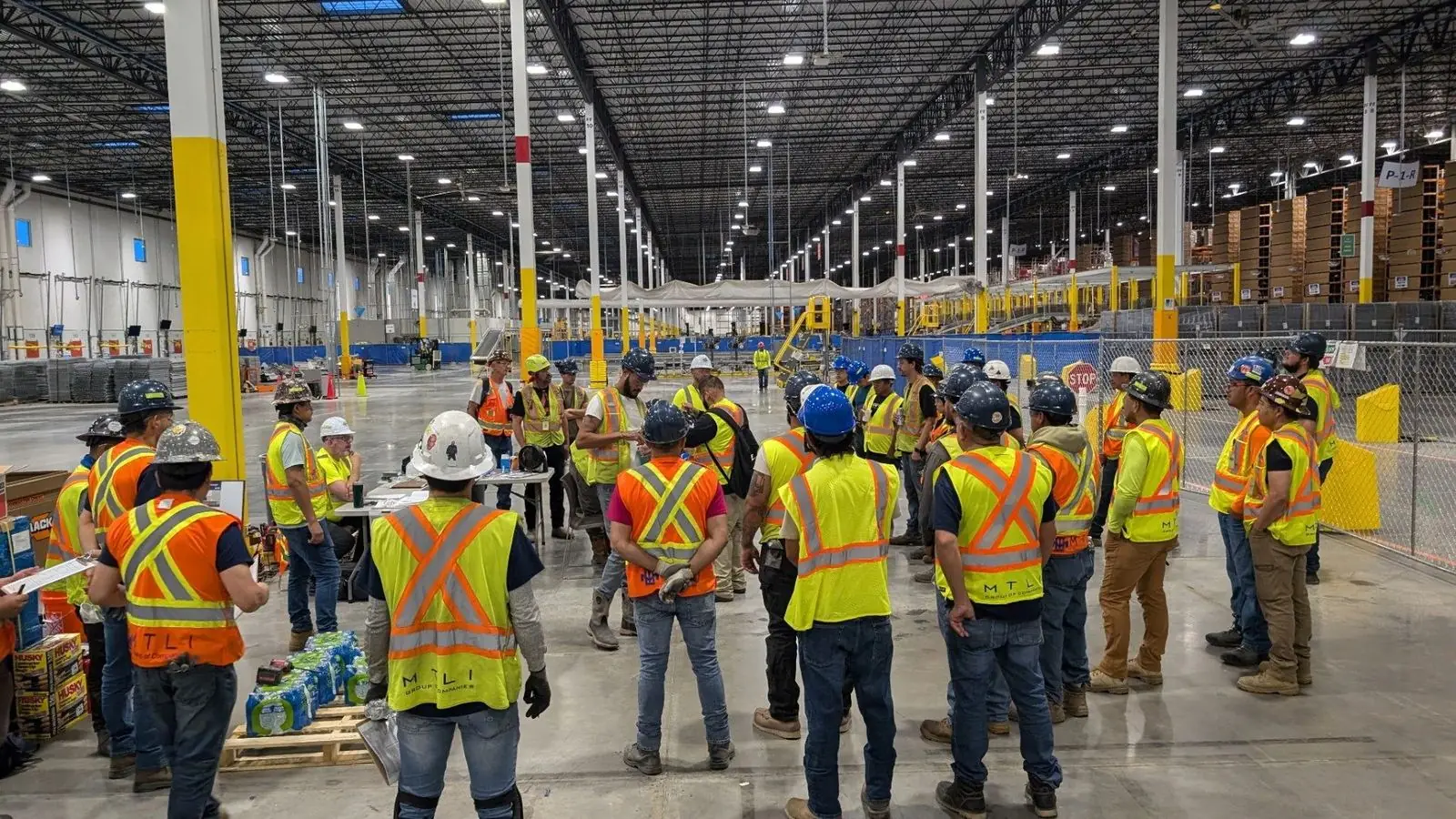
Choosing the Right Facility Maintenance Partner
The right facility maintenance partner should understand the operational demands of your facilities and have the capabilities to support both routine requirements and larger improvement projects. For organizations managing complex or multi-location portfolios, the ability to coordinate different services through one relationship can make a meaningful difference.
When evaluating a partner, consider the following factors:
- Relevant Industry Experience: Look for experience supporting facilities with operational requirements similar to yours, including warehouses, distribution centres, manufacturing environments, and industrial properties.
- Multi-Site Service Capabilities: Confirm that the provider can coordinate maintenance requirements across multiple locations while maintaining consistent service expectations.
- Integrated Service Offering: Consider whether the partner can support maintenance alongside construction, installation, upgrades, and other facility projects.
- Clear Communication and Accountability: Defined responsibilities, accessible points of contact, and consistent reporting help keep maintenance activities organized.
- Preventative Maintenance Approach: Look for a provider that can help plan inspections, identify maintenance priorities, and address potential issues before they become larger problems.
- Scalable Support: Choose a partner that can adapt as your facility portfolio, operational requirements, and project needs change.
MTLI Group brings facility maintenance, construction management, and broader facility services together through an integrated delivery model. This allows businesses to work with one partner for ongoing facility requirements as well as the projects and improvements that support their operations.
Multi-Site Facility Management Across Sectors
Consulting & Oversight
Every FM engagement includes consulting and control, not just execution. We help you move from reactive maintenance to strategic facility management.
- Facility audits & condition assessments
- Capital planning & lifecycle budgeting
- Vendor consolidation
- Cost optimization
- Project prioritization
- Automation & infrastructure planning
Strategic Benefits
- Capital Planning
5-year facility capital plans aligned with business strategy
- Risk Mitigation
Proactive identification and resolution of facility risks
- Cost Optimization
Vendor consolidation and strategic procurement
- Portfolio Visibility
Enterprise reporting across all locations
Signs Your Facility Needs a Maintenance Partner
As facilities become more complex, managing maintenance internally can place additional demands on operations teams. A dedicated maintenance partner can help businesses coordinate requirements, address recurring challenges, and maintain better oversight of their facilities.
Consider additional support if your organization is experiencing:
- Recurring Equipment Problems: Frequent breakdowns or repeated repairs may indicate that existing maintenance practices need attention.
- Increasing Repair Costs: Unplanned maintenance expenses can make it difficult to forecast and manage facility budgets.
- Inconsistent Service Across Locations: Different maintenance standards or service response practices can create challenges for multi-site operations.
- Delayed Maintenance Requests: A growing backlog of repairs and unresolved issues may affect facility performance and day-to-day activities.
- Too Many Vendors to Coordinate: Managing multiple contractors and service providers can create communication gaps and unclear accountability.
- Limited Maintenance Visibility: Difficulty tracking completed work, upcoming requirements, and recurring problems can make planning more challenging.
- Upcoming Facility Changes: Expansions, renovations, and operational changes may require additional coordination between maintenance and construction teams.
A structured facility management relationship can help bring these responsibilities together under a more consistent approach.
Key Components of a Comprehensive Facility Maintenance Program
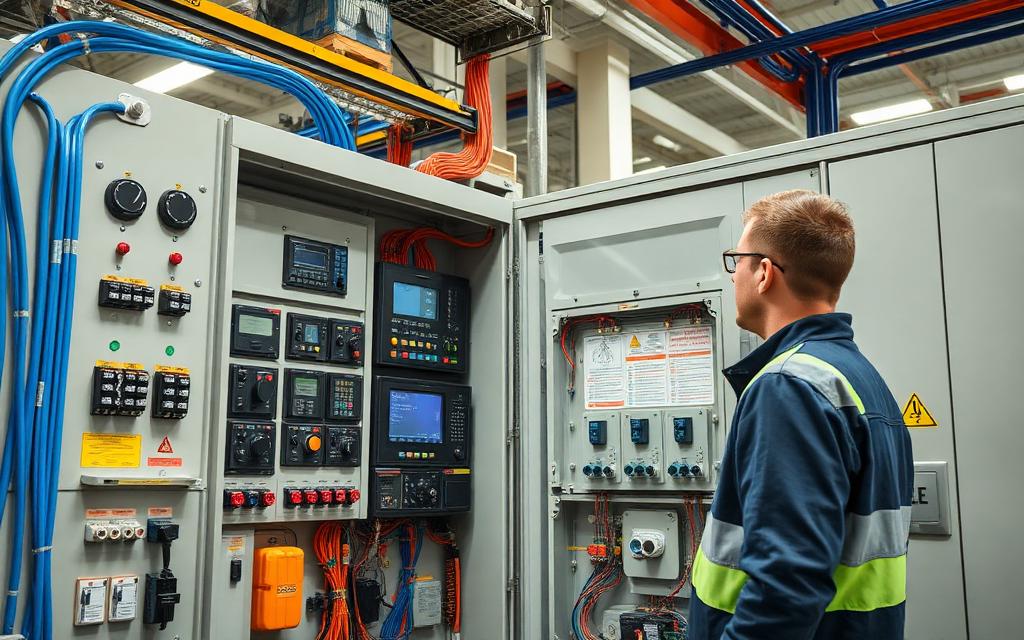
A well-organized facility maintenance program brings essential building systems, equipment, and infrastructure under a coordinated management approach. Rather than addressing individual issues as they arise, businesses can establish consistent maintenance practices that support daily operations and long-term facility performance.
Key components include:
- Building Systems Maintenance: Routine inspections and upkeep of HVAC, electrical, plumbing, and other essential building systems to support reliable operations.
- Equipment and Asset Maintenance: Monitoring the condition of operational equipment, identifying maintenance requirements, and coordinating necessary repairs.
- Preventative Maintenance Planning: Establishing inspection schedules and maintenance activities to address potential issues before they interrupt operations.
- Interior and Exterior Upkeep: Maintaining building interiors, exterior areas, structural elements, and shared spaces to support a safe and functional environment.
- Repair and Service Coordination: Managing maintenance requests, coordinating contractors, and overseeing repair work across different facility requirements.
- Performance Monitoring: Reviewing maintenance activities, recurring issues, and service outcomes to identify opportunities for improvement.
Facility Maintenance for Multi-Location Operations
Managing facility maintenance across several locations requires more than arranging repairs when something goes wrong. Businesses need a coordinated approach that keeps service standards consistent while accounting for the operational requirements of each site.
MTLI's Multi-Site Facility Management approach helps organizations coordinate maintenance activities across their portfolios through centralized oversight and structured execution.
This approach can support:
- Consistent Service Standards: Establishing common maintenance expectations across facilities while allowing for site-specific requirements.
- Centralized Coordination: Managing maintenance requests, service providers, and project requirements through a coordinated point of contact.
- Vendor and Contractor Oversight: Organizing external service providers and monitoring work across different locations.
- Portfolio-Wide Visibility: Improving access to information about maintenance activities, recurring issues, and facility requirements.
- Scalable Service Delivery: Adjusting maintenance support as businesses add locations, expand operations, or change facility needs.
- Coordinated Project Execution: Connecting ongoing maintenance with construction, upgrades, and other facility improvement projects.
How to Build a Facility Maintenance Strategy
An effective facility maintenance strategy should reflect how a business uses its facilities, which systems are essential to its operations, and what level of maintenance support each location requires. A structured plan helps establish priorities, allocate resources, and create a consistent approach to facility upkeep.
Businesses can develop their strategy through the following steps:
- Assess Facility Conditions: Review building systems, equipment, infrastructure, existing maintenance practices, and outstanding repair requirements.
- Identify Critical Assets: Determine which systems and equipment have the greatest impact on daily operations and should receive priority attention.
- Establish Maintenance Priorities: Separate routine upkeep, planned inspections, required repairs, and larger facility improvement projects.
- Develop Maintenance Schedules: Set appropriate service intervals based on equipment requirements, facility conditions, and operational demands.
- Define Roles and Responsibilities: Establish clear accountability for maintenance requests, contractor coordination, approvals, and project oversight.
- Review and Improve Performance: Evaluate maintenance records, recurring issues, service outcomes, and changing facility requirements to keep the strategy relevant.
With the right planning and oversight, facility maintenance solutions can become part of a broader operational strategy rather than a series of disconnected service requests.
Why Enterprise Clients Choose Our Facility Maintenance Solutions?
Single Point of Accountability
If it touches the building, MTLI owns it. No finger-pointing, no scope gaps.
One Contract Model
No vendor sprawl. One MSA covering all FM work, projects, and construction.
National Execution
Consistent delivery across all locations with local expertise and national standards.
Integrated Capabilities
Construction, automation, storage, and FM under one group. Clean handoffs.
How Engagement Works
From portfolio review to ongoing optimization, here's how we become your single facility partner.
Portfolio Review
We assess your facilities, scope, priorities, and pain points to understand your needs.
Master Services Agreement
One agreement covering all FM and project work. Clear scope, pricing, and governance.
Dedicated MTLI Team
Assigned account lead, project managers, and execution partners for your portfolio.
Execution & Optimization
Continuous improvement, reporting, and cost control. Proactive, not reactive.
Is This Service Right for You?
This service line is built for organizations who want to simplify operations and gain total control.
- Enterprise organizations with multiple facilities
- Multi-site operators tired of managing multiple vendors
- Industrial & logistics companies needing integrated services
- Companies seeking one accountable partner for all facility needs
- Organizations moving from reactive to strategic facility management
How This Fits Into MTLI Group
Why Automation Fails Without Facility Maintenance Solutions
Protect your investment and maximize uptime with proactive maintenance
Learn how to reframe maintenance as risk management and protect your automation investment.
- Build a preventive maintenance services program
- Calculate true maintenance costs
- Train your team for automation upkeep
- Plan for parts and vendor support
- Avoid the #1 automation failure cause
Why Automation Fails Without Facility Maintenance Solutions
By MTLI Group
Get Your Free Copy
Fill out the form below for instant access to the full guide.
Frequently Asked Questions
How does your construction management services support facility operations?
Our construction management services oversee planning, budgeting, scheduling, and execution of facility projects. They ensure construction activities align with operational needs while minimizing disruptions and maintaining safety and quality standards.
What role does your project management services play in facility maintenance?
Our project management services coordinate maintenance projects, resource allocation, and timelines. They ensure tasks are completed efficiently, on budget, and with minimal disruption to daily facility operations through structured planning and oversight.
How does your multi-site facility management standardize maintenance operations?
It standardizes maintenance through centralized protocols, unified reporting systems, and consistent service schedules. This ensures uniform performance, cost control, and operational efficiency across multiple facility locations.
What technologies are used in your facility management & master GC services?
Our facility management & master GC services use CMMS software, BIM modeling, IoT sensors, and scheduling platforms. These technologies improve coordination, tracking, and execution of maintenance and construction activities.
What data do you analyze during HVAC inspections?
We analyze temperature differentials, airflow rates, energy consumption, refrigerant pressure, and mechanical efficiency. This data helps identify inefficiencies, improve performance, and ensure optimal climate control operation.
What is included in a facility maintenance agreement?
A facility maintenance agreement can cover routine inspections, preventative maintenance, repairs, building system upkeep, contractor coordination, and facility improvement requirements. The exact scope depends on the property's condition, operational needs, and level of support required.
How often should commercial facilities receive maintenance inspections?
Inspection frequency depends on the type of facility, the systems in use, equipment requirements, and operating conditions. Critical systems may require more frequent checks, while other maintenance activities can follow scheduled monthly, quarterly, or annual plans.
Can facility maintenance services support warehouse and industrial operations?
Yes. Facility maintenance can support warehouses, distribution centres, manufacturing facilities, and other industrial environments. Services may include building system upkeep, equipment maintenance coordination, repairs, inspections, and support for facility upgrades.
What is the difference between facility maintenance and facility management?
Facility maintenance focuses on the upkeep, inspection, and repair of building systems, equipment, and infrastructure. Facility management has a broader scope that can include maintenance planning, vendor coordination, operational oversight, budgeting, and management of facility-related projects.
Can one facility maintenance partner manage both routine upkeep and construction projects?
Yes. An integrated provider can coordinate ongoing maintenance alongside renovations, expansions, and larger construction projects. This approach can simplify communication, align project requirements, and provide businesses with a single point of contact for multiple facility needs.
Talk to MTLI About Strategic Facility Management Services
Let's simplify your operations and take ownership of your facilities. MTLI delivers integrated facility maintenance solutions backed by coordinated strategic facility management. One partner. One contract. Total control.