Industrial Mechanical Installation
Mechanical installation is where drawings meet reality. MTLI's millwrights set, align, and assemble production and material-handling equipment across Canada and the US, with project management and site supervision on every job.
Machinery Relocation and Equipment Reinstallation
Relocating existing machinery requires an understanding of its current configuration and the conditions at the new installation location. Careful planning helps teams prepare equipment movement, positioning, and reassembly.
Existing Equipment Assessment
Review the machinery's current layout, dimensions, connections, and installation requirements before planning relocation activities.
Disassembly Planning
Identify components that need to be removed or separated for transport and determine how they should be handled during the move.
New Site Preparation
Assess available space, floor conditions, access routes, and equipment interfaces at the destination before machinery arrives.
Reinstallation and Alignment
Position and assemble the relocated equipment according to applicable drawings and manufacturer specifications, including required leveling and alignment checks.
The MTLI Advantage
- In-house millwrights across every province and all 50 states
- Project management and daily site reporting standard on every job
- Precision setting, laser alignment, and anchoring to OEM tolerance
- Rigging plans engineered for heavy and awkward equipment
- Single sites or coordinated multi-site coverage
- One crew from off-load to mechanical completion
Equipment Setting & Alignment
Machines set, levelled, and laser-aligned to specifications. Our industrial mechanical contractor verifies equipment positioning and alignment against applicable manufacturer requirements to support accurate installation and proper integration with connected machinery.
Mechanical Assembly
Conveyors, machinery, and systems assembled to OEM standards. Our millwrights follow equipment specifications and assembly requirements to ensure components are fitted correctly and prepared for the next installation stage.
Rigging & Placement
Engineered lifts from dock to final position. Our team coordinates equipment movement, lifting requirements, and placement sequences to help position heavy or oversized machinery within the designated installation area.
Drive & Component Install
Gearboxes, drives, bearings, and mechanical components. Our millwrights install components according to equipment requirements, checking their positioning and connections to support proper integration with the larger mechanical system.
Project Management
Schedule, manpower, and interface coordination owned by MTLI. Our project managers coordinate installation activities, workforce requirements, and communication between project teams to keep work aligned with agreed schedules and deliverables.
Site Coverage
Supervision on every shift with daily documented reporting. Our site supervisors monitor installation progress, communicate emerging issues, and maintain daily records to keep project stakeholders informed throughout the work.
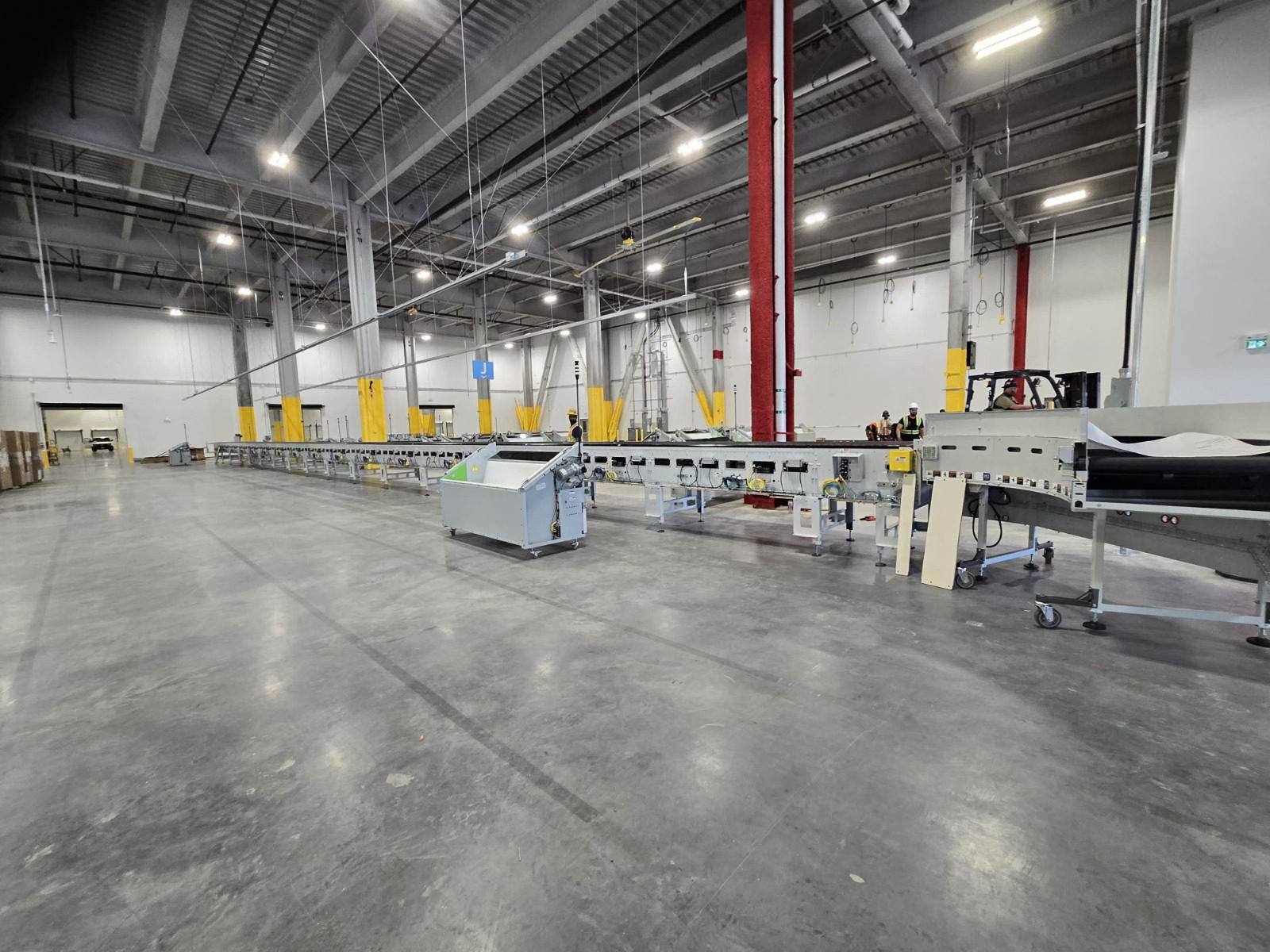
Equipment Receiving, Inspection, and Handling
Proper equipment handling is an important part of industrial mechanical installation. Reviewing incoming machinery and preparing it for placement helps identify potential issues before installation begins.
Equipment Verification
Check delivered machinery and components against project documentation to confirm that the required items have arrived. This helps identify missing items early and allows the industrial mechanical contractor to address discrepancies before installation of work proceeds.
Condition Assessment
Inspect equipment for visible damage or missing components that may need attention before installation proceeds. Documenting any concerns helps determine whether further review or corrective action is needed before machinery is assembled or positioned.
Handling and Movement Planning
Review equipment dimensions, weight, and access routes to plan suitable movement from the receiving area to the installation location. Consider available clearance and placement requirements to help coordinate equipment movement and avoid unnecessary handling challenges.
Installation Readiness
Confirm that equipment, installation drawings, and the work area are ready before mechanical assembly and placement begin. Checking these requirements in advance helps the crew organize resources and prepare for the planned installation schedule.
Mechanical Installation in Operating Facilities
Installing machinery in an active facility requires careful planning to account for ongoing production and existing equipment. A coordinated approach helps manage work areas, installation schedules, and operational requirements.
Work Zone Planning
Identify designated installation areas and establish suitable boundaries between installation activities and ongoing facility operations.
Installation Scheduling
Coordinate work periods with facility personnel to determine when equipment placement, assembly, and alignment can take place.
Equipment Access
Review access routes and movement restrictions to help crews transport machinery and installation materials to the required locations.
Operational Coordination
Communicate planned activities and schedule changes with relevant site teams to help manage disruptions during installation.
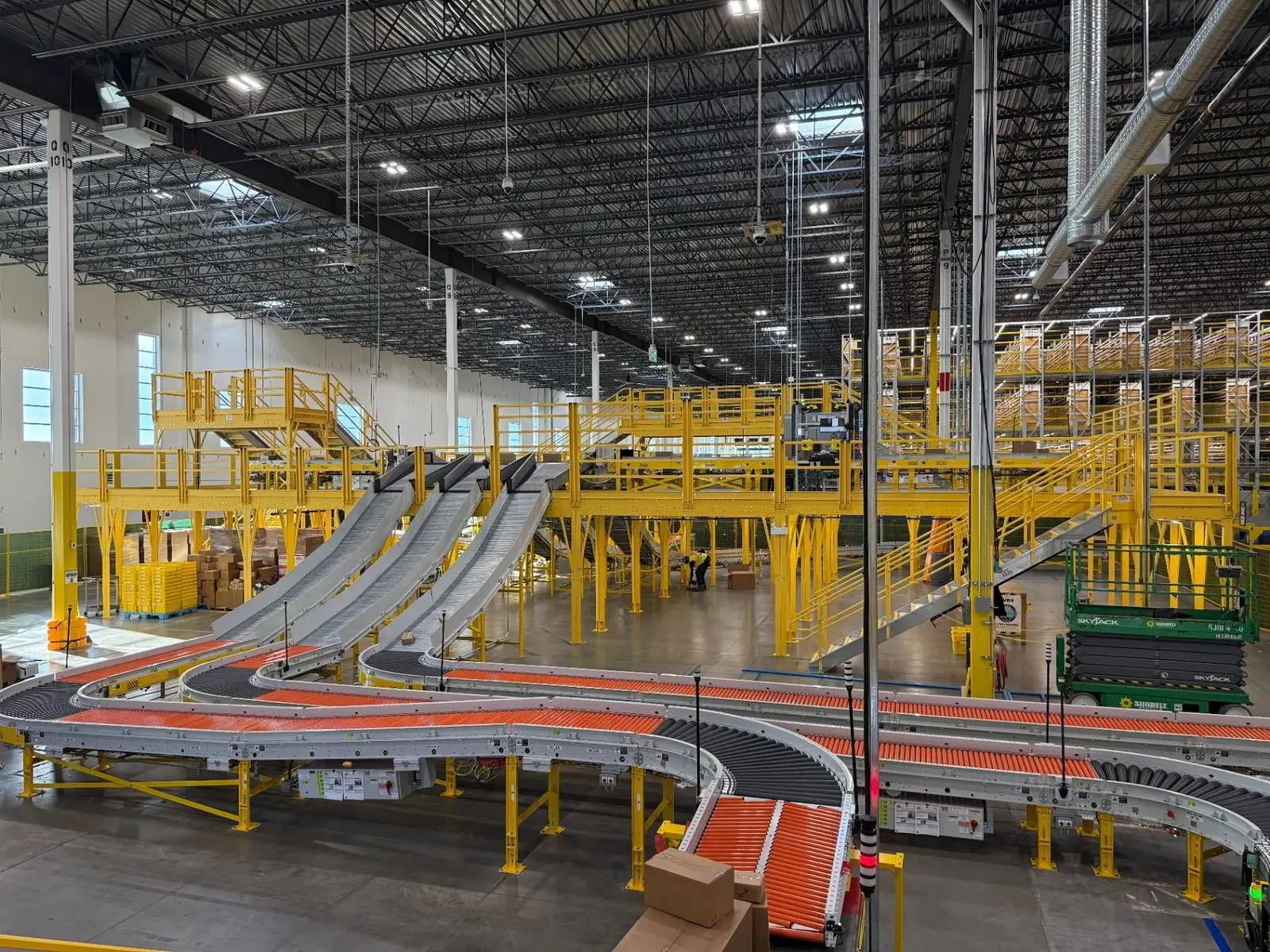
Factors That Affect Mechanical Installation Schedules
Mechanical installation timelines depend on equipment requirements, site conditions, and coordination with other project activities. Identifying these factors early helps clients establish realistic schedules and prepare for installation work.
Equipment Complexity
Machinery size, component count, assembly requirements, and alignment tolerances can influence the time needed to complete installation. Complex equipment may require additional assembly steps, specialized tools, and detailed alignment checks to meet manufacturer specifications and project requirements.
Site Readiness
Available access, prepared foundations, clear work areas, and suitable equipment staging locations can affect when installation can begin. Preparing the installation area in advance helps crews access the required locations, position equipment efficiently, and reduce avoidable delays during setup.
Rigging and Placement Requirements
Heavy or awkward equipment may require specialized lifting plans, additional preparation, and carefully coordinated placement activities. The lifting method, equipment dimensions, and movement restrictions can influence the resources and time needed to position machinery safely at its designated location.
Material and Component Availability
Missing parts, delayed deliveries, or incomplete equipment packages can affect installation progress and planned milestones. Confirming that essential components and installation materials are available before work begins helps crews maintain progress and avoid interruptions caused by incomplete deliveries.
Coordination With Other Trades
Mechanical work may depend on site access and schedules involving electrical teams, controls specialists, and other industrial mechanical contractor. Clear communication about work sequences, shared spaces, and installation dependencies helps teams coordinate their activities and keep connected project tasks on schedule.
Project Scope and Changes
Additional equipment, layout changes, or revised installation requirements may affect crew planning and the overall project timeline. Reviewing proposed changes early helps determine their impact on labor, materials, equipment placement, and project milestones before the installation plan is updated.
How Our Mechanical Installation Company Work
Scope & Drawings
Review equipment, tolerances, and site constraints. Our team evaluates the project requirements and identifies installation considerations to establish a clear scope before work begins.
Install Plan
Sequence, rigging, and manpower planned to the schedule. We coordinate crew requirements, equipment handling, and installation activities to align with project milestones and site conditions.
Mobilize
Crews and equipment on site across North America in days. Our team coordinates site access, workforce deployment, and required installation resources to prepare for an organized project start.
Set & Align
Precision placement, anchoring, and alignment. Our millwrights position equipment according to applicable specifications and verify alignment requirements to support accurate installation and reliable equipment integration
Mechanical Completion
Assembly finished, verified, and documented. Our team reviews completed installation work, checks applicable requirements, and records relevant details before preparing the equipment for handoff.
Handoff
Clean turnover to electrical, controls, or commissioning. We communicate completion status and outstanding items to the next project team, helping coordinate follow-up activities and the transition to subsequent work.
Coordination Between Mechanical, Electrical, and Controls Teams
Industrial projects often involve several teams working on connected equipment and systems. Coordinating mechanical installation with electrical, controls, and commissioning activities helps establish clear work sequences and handoff requirements.
Installation Scope Alignment
Define mechanical work requirements and identify interfaces with electrical connections, controls equipment, and other project components. This helps clarify responsibilities across project teams and ensures that installation requirements are understood before work begins.
Work Sequence Coordination
Align mechanical installation activities with the schedules of electrical contractors, controls specialists, and other trades working on site. Coordinated scheduling helps teams manage dependencies, plan access to shared work areas, and keep connected installation activities moving according to project timelines.
Interface Verification
Review equipment connection points and installation requirements to identify potential conflicts before moving into subsequent project stages. Checking these interfaces early helps teams address layout inconsistencies and confirm that mechanical components are positioned appropriately for integration with connected systems.
Handoff Preparation
Document mechanical completion status and outstanding items so the relevant teams can plan their next activities. Clear handoff records help communicate completed work, highlight unresolved issues, and establish the next steps for electrical installation, controls integration, or commissioning.
Multi-Line Mechanical Install
"MTLI's millwrights set three packaging lines across two provinces on one coordinated schedule. Same standard, same reporting, both sites, zero rework."
, Engineering Manager, Consumer Products Manufacturer
Common Questions, Answered
Do your millwrights travel or do you use local subs?
MTLI crews travel: our own millwrights across every province and all 50 states, with vetted local trades added under our supervision when scale demands it. The standard of work stays ours either way. This approach helps maintain consistent installation standards while providing the workforce needed to support projects of different sizes.
Can you work from OEM drawings we already have?
Yes. Send the equipment drawings and tolerances; we build the install plan, rigging approach, and schedule around them and flag buildability issues before mobilization. Reviewing these details early helps identify potential installation challenges and align equipment placement with the manufacturer's requirements before work begins.
What tolerance can you hold on equipment setting?
OEM specification is the floor, not the target: laser alignment and levelling to manufacturer tolerance, documented at handover so commissioning starts clean. Our team verifies alignment against the applicable equipment specifications and records relevant measurements to support installation checks and a clear project handoff.
How fast can a mechanical crew be on site?
24 to 72 hours anywhere in North America, with the rigging plan and materials staged so the first shift installs instead of unpacking. Actual mobilization depends on crew availability, site conditions, and project requirements, so early coordination helps prepare the team and equipment for the planned start date.
What types of equipment require industrial mechanical installation?
Industrial mechanical installation can involve production machinery, material-handling equipment, conveyor systems, and related mechanical components. The installation requirements depend on equipment specifications, facility conditions, and the intended application.
Can a mechanical installation company handle both small and large projects?
Yes, project requirements can range from installing individual machines to coordinating equipment installation across multiple facilities. The appropriate crew size, schedule, and resources depend on the project's scope and complexity.
What information is needed to request mechanical installation services?
Provide equipment specifications, installation drawings, site details, project timelines, and any known access or lifting restrictions. This information helps the installation team assess requirements and prepare a suitable project plan.
Can industrial mechanical contractors install equipment supplied by different manufacturers?
Equipment from different manufacturers may be included within the same project. Installation planning should account for each machine's specifications, positioning requirements, and interfaces with connected equipment.
Why is equipment leveling important during mechanical installation?
Proper leveling helps position machinery according to its installation specifications. Depending on the equipment, accurate leveling can support alignment, stable operation, and appropriate connections with adjoining machinery.
What should be checked before anchoring industrial equipment?
Before anchoring, review the equipment layout, mounting requirements, foundation conditions, and manufacturer specifications. Confirming these details helps ensure the anchoring approach matches the equipment's installation requirements.
Related Pages
Industries We Serve
Deep-Dive Guides
Ready to Get Started?
Partner with MTLI Group for reliable mechanical installation services across North America. Contact our team today for a free consultation and customized quote.