Electrical Installation Company
Every installation ends at a termination point. MTLI's licensed electricians run the power, land the wire, and light up the systems our crews install, one accountable team across Canada and the US, with project management on every scope.
Our Electrical Installation Company Advantage
- Licensed industrial electricians coast to coast in both countries
- Equipment power, disconnects, and dedicated circuits
- Conduit, cable tray, and wire pulls sized and run to code
- Controls and PLC wiring alongside the power work
- ESA and AHJ inspections managed to sign-off
- One contract with the mechanical install: no finger-pointing
Equipment Power
Machine hookups, disconnects, and motor connections. Our electricians handle equipment power connections according to machinery specifications and operational requirements, ensuring each unit receives the appropriate electrical supply.
Panels & Distribution
Panel installation, feeders, and distribution upgrades. We install and upgrade electrical panels and feeder connections to support industrial equipment and facility power requirements.
Conduit & Cable Tray
Raceway systems run clean, supported, and to code. Our team installs conduit and cable tray systems to organise and protect electrical wiring while maintaining proper routing and support throughout the facility.
Controls Wiring
PLC, sensor, and communication wiring with terminations. We connect control components and associated wiring to support communication between industrial equipment, automation systems, and operating controls.
Project Management
Electrical scope scheduled and coordinated with all trades. We align electrical installation activities with mechanical crews, equipment suppliers, and other contractors to maintain project timelines and ensure smooth coordination.
Inspection & Sign-Off
Permits and inspections carried through to approval. We coordinate required documentation, authority inspections, and compliance requirements to help ensure the completed electrical installation receives the necessary approval.
What Determines the Scope of an Industrial Electrical Installation?
Every project has different requirements depending on the equipment, facility, and intended operations. Understanding these factors helps establish the work involved and the resources needed.
Equipment Quantity
The number and type of machines requiring electrical connections influence the overall installation scope. Different equipment categories may also have specific connections and operating requirements.
Load Specifications
Electrical load, voltage, and current requirements help determine the power infrastructure needed for industrial equipment. These specifications are important when assessing the electrical demands of a project.
Connection Distance
The distance between electrical panels, power sources, and machinery affects cable routing and installation requirements. Facility layouts help determine the appropriate wiring and distribution arrangements.
Infrastructure Conditions
Existing electrical infrastructure can influence the work required for new installations or upgrades. Available panel capacity, distribution arrangements, and facility conditions must be considered during project assessment.
Project Complexity
The number of connected systems, equipment specifications, and installation requirements contribute to overall project complexity. These details help establish the electrical work required for successful project execution.
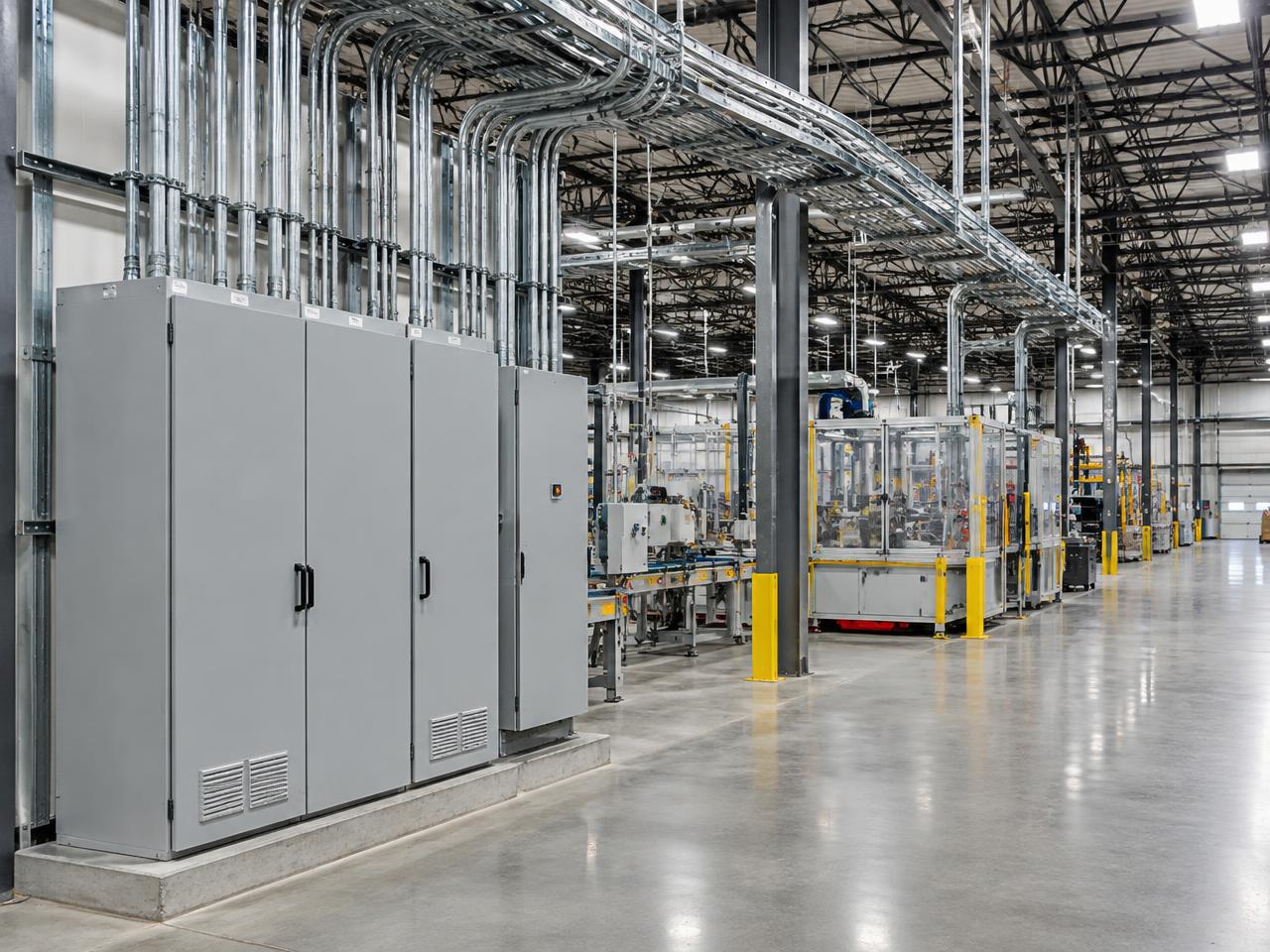
How We Work
Load Review
Equipment loads, drawings, and available service assessed. We review the electrical requirements of each machine and identify any existing infrastructure limitations. This helps determine the power capacity and connections needed for the installation.
Electrical Plan
Circuits, raceways, and panel work designed and permitted. Our team develops the electrical layout based on equipment specifications, facility requirements, and applicable codes. We also coordinate the necessary permits before installation begins.
Rough-In
Conduit, tray, and wire pulls run with the install schedule. Our electricians install the required raceways and cable pathways to prepare for equipment connections. All work is coordinated with the wider installation schedule to maintain project alignment.
Terminations
Equipment landed, torqued, and labelled. Our team connects electrical wiring to the designated equipment terminals, panels, and connection points. Proper torqueing and labelling help maintain organised connections and support future identification.
Test & Verify
Rotation, insulation, and function checks documented. We perform the necessary electrical checks to verify connections and equipment functionality before final approval. Testing helps identify potential issues that need attention before systems enter operation.
Inspection
Authority sign-off and as-built documentation. We coordinate the required inspections with the relevant electrical authorities and address any identified requirements. Once approved, the completed installation is supported by as-built documentation for future reference.
Electrical Integration with Mechanical Systems
Electrical and mechanical systems must work together for industrial equipment to operate as intended. Our Electrical installation company coordinates both installation requirements to support proper equipment integration.
System Coordination
Our electrical and mechanical teams coordinate installation activities to ensure equipment connections align with machine placement, layout requirements, and project specifications.
Motor Integration
Industrial motors and drive components require suitable electrical connections to operate with mechanical equipment. Our team coordinates these connections as part of the overall installation.
Equipment Interfaces
Connected machinery often relies on multiple electrical and mechanical interfaces. We manage these connection requirements to support communication and coordination between individual equipment components.
System Compatibility
Electrical connections must align with the specifications of the mechanical equipment being installed. Our team considers equipment requirements to support reliable integration across the system.
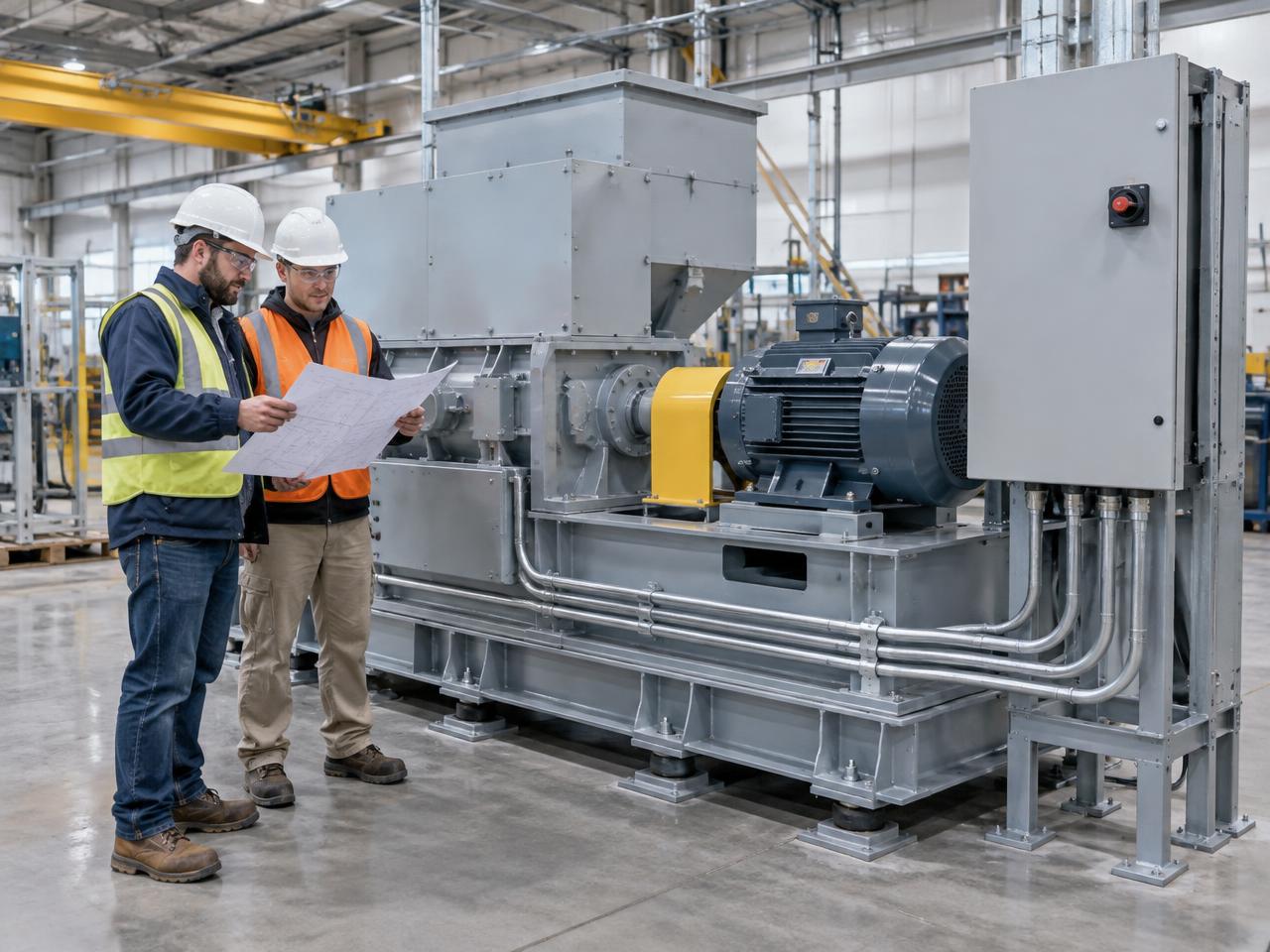
Conveyor System Electrical Requirements
Conveyor systems depend on properly installed electrical components to support material movement and automated operations. MTLI provides conveyor electrical installation as part of its industrial installation capabilities.
Motor Connections
Conveyor motors require correctly installed power connections to support movement across different conveyor sections. Our electricians handle motor connections according to equipment specifications.
Sensor Wiring
Photo-eye sensors and proximity sensors help detect products and monitor movement along conveyor lines. We install the required wiring to connect these components with the control system.
Safety Circuits
Emergency stop systems and safety circuits are important parts of conveyor operations. Our team handles the electrical connections required to support equipment safety functions.
Zone Connections
Multi-zone conveyor systems require electrical connections across individual sections. We coordinate zone wiring and control interfaces to support communication between different conveyor segments.
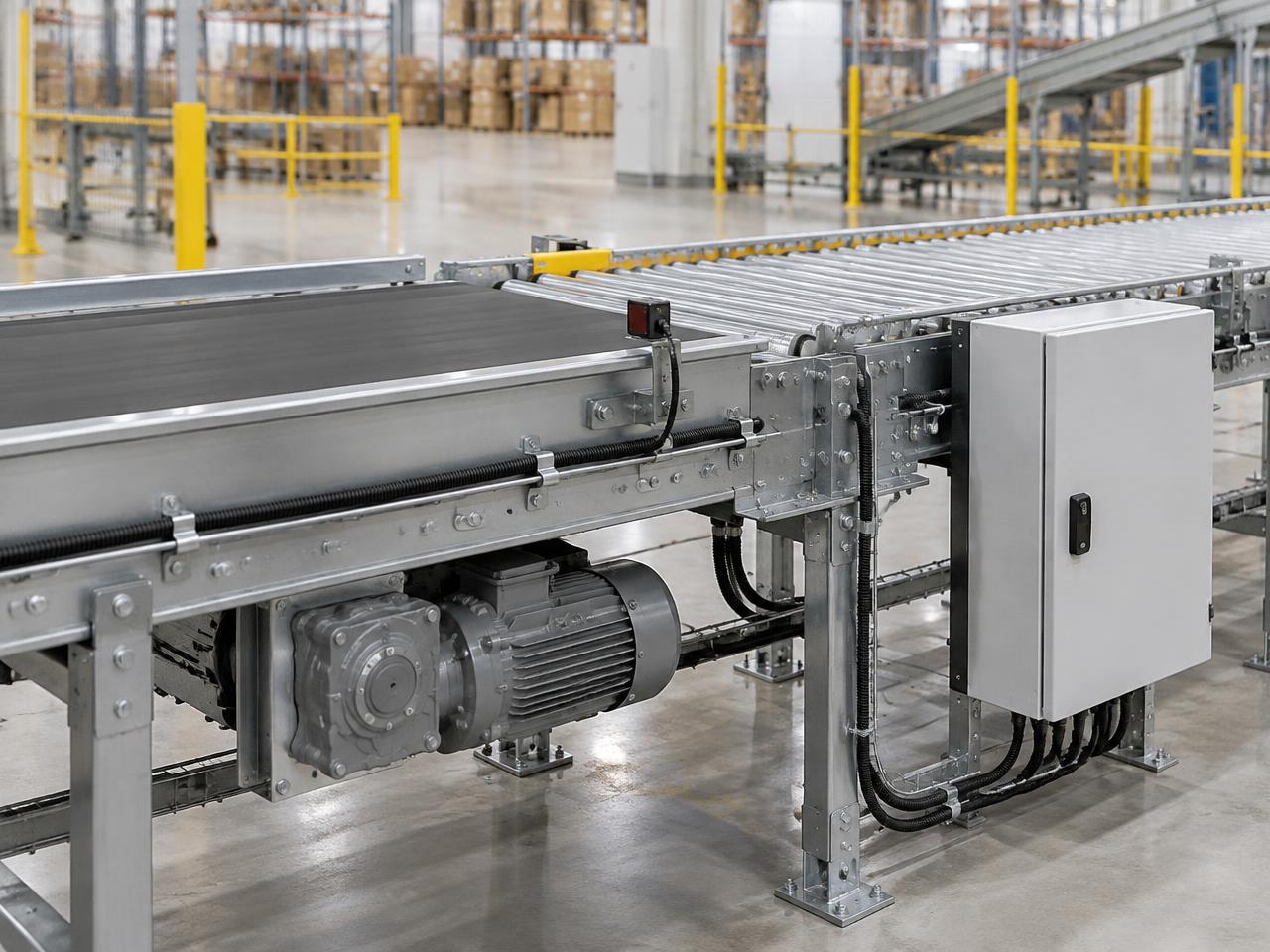
Power Requirements for Industrial Automation
Automated production environments depend on electrical infrastructure capable of supporting connected machinery, robotics, and advanced manufacturing equipment. MTLI handles electrical installation requirements for industrial automation projects.
Robotic Systems
Industrial robots require suitable electrical supplies to support their operating requirements. Our electricians coordinate power connections for robotic equipment as part of larger automation installations.
Production Lines
Automated production lines may include multiple machines operating within one connected facility. We handle electrical distribution requirements to support the power needs of individual production equipment.
Drive Systems
Variable frequency drives help regulate motor speed in industrial applications. Our electrical installation team handles the associated connections required to integrate these drives with equipment.
Dedicated Supplies
Certain automation equipment requires dedicated electrical supplies based on its operating specifications. We account for these requirements when planning and installing the necessary electrical connections.
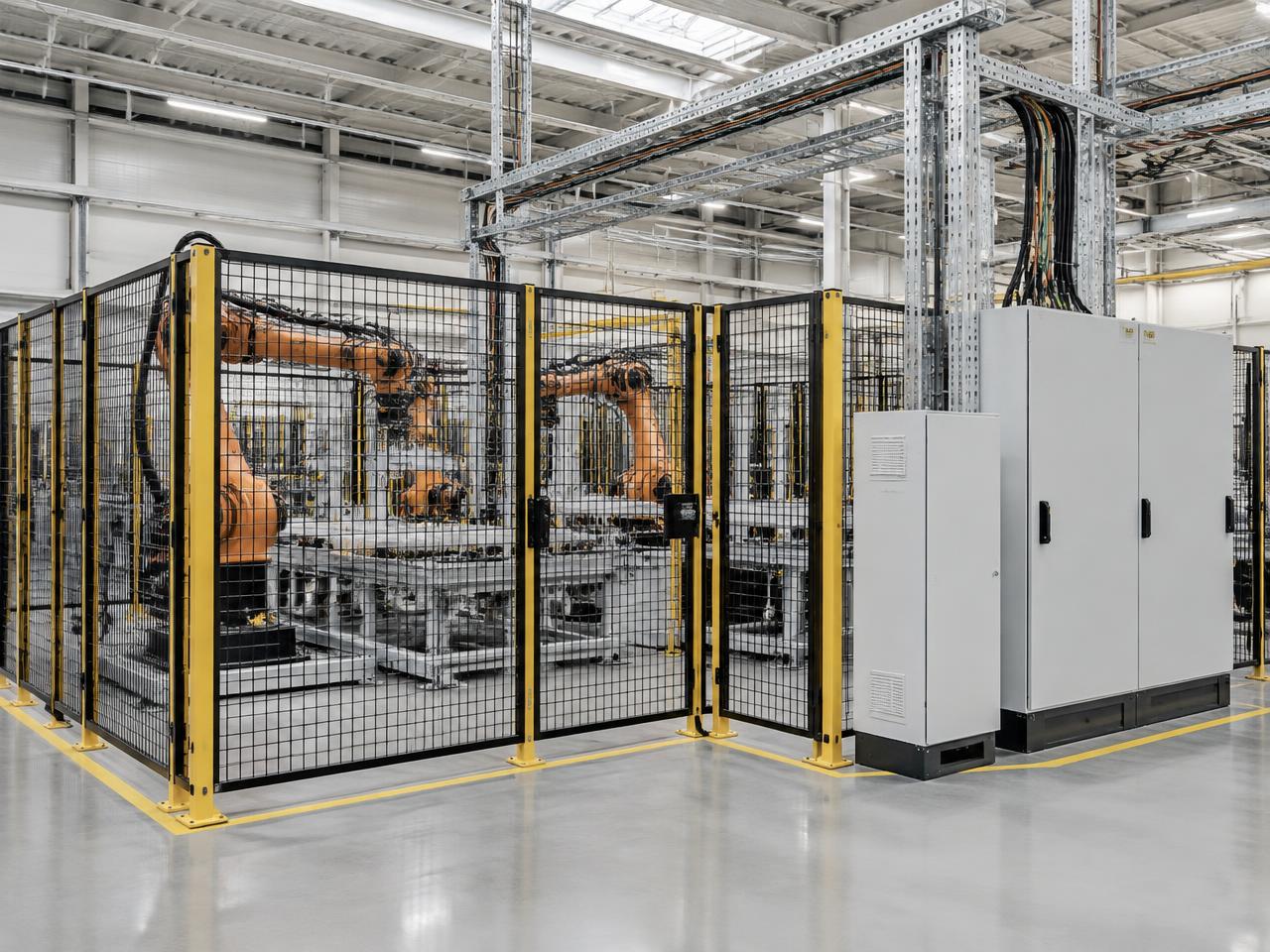
Minimizing Production Disruptions During Installation
Electrical installation within an active industrial facility requires careful scheduling to avoid unnecessary interruptions to daily operations. MTLI coordinates project activities around facility requirements and operational schedules.
Schedule Planning
Installation activities are planned around the facility's operating hours and production requirements. This helps determine suitable work periods while keeping project activities organized.
Phased Execution
Larger electrical installation projects can be divided into manageable phases. This allows different areas of a facility to be addressed according to the agreed installation schedule.
Shutdown Windows
Certain electrical connections require equipment or systems to be temporarily switched off. We coordinate planned shutdown periods with facility representatives to organize this work.
Work Prioritization
Critical production areas and equipment requirements are considered when organizing installation activities. This helps establish work priorities and maintain better coordination throughout the project.
DC Retrofit Electrical Package
"MTLI ran power to 40 new conveyor drives and every dock position on night shifts, passed inspection first visit, and never slowed the day operation."
, Facility Manager, National Distributor
Electrical Installation for Equipment Relocation
Relocating industrial machinery involves more than transporting equipment between facilities. Electrical connections must also be identified, prepared, and re-established to support operations at the new location.
Power Disconnection
Before machinery is dismantled, its existing electrical connections must be safely isolated and disconnected. Our electricians coordinate this work as part of the equipment relocation scope.
Connection Records
Documenting existing electrical connections helps establish reference points for reinstallation. Our team identifies relevant wiring and connection details to support the relocation process.
Site Preparation
The receiving facility may require new electrical connection points to accommodate relocated machinery. We prepare the required electrical infrastructure according to equipment specifications and site conditions.
Equipment Reconnection
Once machinery is positioned at its new location, the required electrical connections must be re-established. Our electricians handle equipment hookups and associated terminations as part of the installation scope.
Industries That Depend on Reliable Electrical Installations
Industrial electrical installations support a wide range of facilities where machinery, production equipment, and automated systems depend on consistent power connections. MTLI provides installation capabilities for different industrial environments.
Manufacturing Facilities
Manufacturing plants depend on electrical connections for production of machinery, assembly equipment, and processing systems. Proper installation supports the operation of equipment across different manufacturing areas.
Automotive Plants
Automotive production facilities use assembly equipment, conveyors, robotic systems, and specialized machinery. Their electrical installations must accommodate the requirements of interconnected production operations.
Food Processing
Food and beverage facilities rely on electrically powered processing, packaging, and handling equipment. Electrical installation supports the connection of machinery used throughout different production stages.
Warehousing Operations
Modern warehouses use conveyor systems, automated handling equipment, and distribution machinery. Electrical installations provide the necessary connections for these systems to support material movement.
Packaging Facilities
Packaging operations depend on equipment such as filling machines, labelling systems, and automated packaging lines. Electrical connections support the operation of individual machines and integrated packaging equipment.
Processing Industries
Industrial processing facilities use specialized machinery and automated equipment for different production applications. Their electrical requirements depend on equipment specifications and the operational needs of each facility.
Common Questions, Answered
Are your electricians licensed in my province or state?
Yes. Licensed industrial electricians work under the local authority in every jurisdiction we serve, and MTLI manages permits and inspections through to sign-off. Our team follows applicable electrical codes and project-specific requirements to ensure installations meet the necessary standards.
Can you land power for equipment another company is installing?
Absolutely: we regularly run power, tray, and terminations for equipment installed by OEMs and integrators, coordinated to their schedule. We work alongside other contractors and installation teams to ensure electrical connections are ready when the equipment is positioned and prepared for hookup.
Do you handle controls wiring too, or just power?
Both. Power distribution, disconnects, and motor connections plus PLC, sensor, and communication wiring, terminated and labelled by one crew. This allows us to support both the electrical supply and control connections required for integrated industrial equipment and automation systems.
Will you upgrade our service if the new equipment needs more power?
Yes, load calculations, panel upgrades, and service expansions are part of the scope when your automation or new lines outgrow the existing service. We assess the facility's electrical capacity and identify the upgrades needed to accommodate additional equipment and changing production demands.
What types of equipment require industrial electrical installation?
Industrial electrical installation is required for manufacturing machinery, production lines, conveyor systems, robotic equipment, and automated material handling systems. MTLI provides electrical installation services based on equipment specifications and facility requirements.
Does MTLI provide electrical installation for new industrial facilities?
Yes. As an industrial electrical installation company, MTLI supports new facility installations involving equipment power connections, electrical panels, cable routing, and control wiring. Our team coordinates these requirements with a wider installation scope.
What is included in conveyor electrical installation?
This can include motor connections, sensor wiring, emergency stop circuits, and electrical connections between conveyor sections. MTLI coordinates these requirements to support integrated conveyor and material handling operations.
What information do you need before starting a project?
Our team typically requires equipment specifications, electrical drawings, load requirements, facility layouts, and available power information. These details help establish the installation scope, identify infrastructure requirements, and plan the necessary work.
Can industrial electrical installation cover multiple production lines?
Yes. MTLI can coordinate industrial electrical installation across multiple production lines, depending on project requirements. This may involve equipment connections, electrical distribution, cable routing, and coordination with associated mechanical installation activities.
What testing is included in industrial electrical installation services?
These services may include motor rotation checks, insulation testing, and functional verification of installed connections. These checks help identify potential issues and confirm that the electrical work meets applicable project requirements.
Related Pages
Industries We Serve
Deep-Dive Guides
Ready to Get Started?
Contact our team today for a free consultation and customized quote.