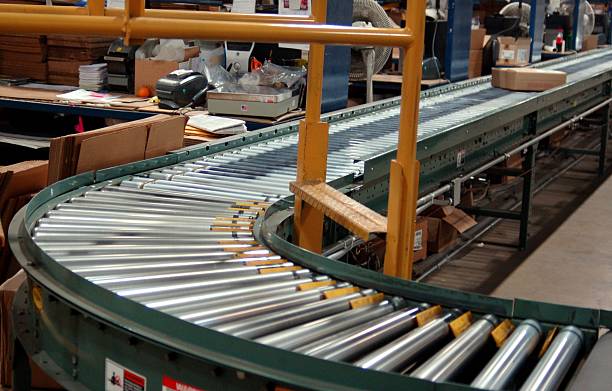
Replacing an entire conveyor system sounds like the obvious answer when throughput slows down or breakdowns start piling up, but full replacement is rarely the first, or even the best, option. Conveyor retrofits let operations managers upgrade the specific components dragging down performance, motors, controls, sensors, belting, without tearing out infrastructure that still has years of useful life left. Done well, a retrofit extends the working life of the entire system, and the facility built around it.
MTLI Group works with operations teams across the US on conveyor installations and retrofit projects that modernize existing systems rather than starting from scratch. This blog looks at what a conveyor retrofit actually involves, when it makes more sense than full replacement, and how it fits into a broader warehouse lifespan strategy.
What a Conveyor Retrofit Actually Involves
A conveyor retrofit upgrades specific components of an existing system while keeping the structural framework, and often the routing layout, largely intact. This is different from a full replacement, which tears out the entire system and rebuilds it from the ground up.
Common retrofit components include motor and drive upgrades, replacing older, less efficient motors with modern variable frequency drive systems that use less energy and offer finer speed control. Control system upgrades replace aging programmable logic controllers and wiring with modern systems capable of integrating with a warehouse management system or automation platform. Sensor and safety upgrades add photo-eyes, jam detection, and modern safety interlocks that older systems often lack entirely. Belting and mechanical component replacement addresses wear items that degrade over years of continuous operation, restoring reliability without touching the underlying frame.
Conveyor modernization projects can address one of these areas or several at once, depending on what is actually limiting the system's performance. A facility experiencing frequent jams might only need sensor and mechanical upgrades, while one struggling with energy costs and inconsistent speed control benefits more from a drive and motor overhaul.
Signs a Facility Needs Conveyor Retrofits Rather Than Replacement
Not every aging system needs a full teardown, and recognizing the signs that favor a retrofit over full replacement saves significant capital.
The structural frame and routing remain sound. If the physical conveyor bed, supports, and overall path through the facility still function well, replacing only the components that have degraded makes far more sense than rebuilding infrastructure that works fine.
Downtime is concentrated on specific, identifiable components. Facilities that can point to recurring failures in motors, sensors, or controls have a clear retrofit target, rather than a system failing broadly across every subsystem.
The layout still matches operational needs. A retrofit assumes the existing routing and configuration still serve the facility's current workflow. If order profiles or product mix have changed enough that the physical layout itself no longer works, a full redesign may be the better investment.
Budget favors a phased approach. Retrofits allow facilities to spread investment across multiple phases, addressing the most critical components first and expanding the scope in later budget cycles; something full replacement rarely allows.
The table below compares conveyor retrofits against full replacement across the factors operations managers weigh most.
| Factor | Conveyor Retrofit | Full Replacement |
|---|---|---|
| Typical cost relative to full system | Lower, targeted investment | Higher, full system cost |
| Project timeline | Weeks to a few months | Several months to a year or more |
| Operational disruption | Limited, phased implementation possible | Significant, often requires extended downtime |
| Best suited for | Sound structure with outdated components | Structural issues or major layout change needed |
| Long-term flexibility | Limited by original frame and routing | Full flexibility on new design |
Why Conveyor Retrofits Matter for Warehouse Lifespan
Extending the useful life of a conveyor system directly extends the useful life of the surrounding facility for investment. A warehouse built around a conveyor-dependent workflow loses much of its operational value if the material handling backbone becomes unreliable, regardless of how sound the building itself remains.
Energy efficiency plays a bigger role in this calculation than many operations managers initially assume. According to the U.S. Department of Energy, industrial plants can often reduce their electricity use and costs by 5 percent to 15 percent or more simply by improving the efficiency of their motor-driven systems, which include conveyors, pumps, fans, and compressors. For a facility running conveyor systems around the clock, that range represents a meaningful, ongoing operating cost reduction that a motor and drive retrofit can capture without touching the rest of the building.
National investment trends also point toward this kind of targeted modernization becoming more common. U.S. nonfarm employer businesses invested $1,899.9 billion in new and used structures and equipment in 2022, up 12.9 percent from $1,682.1 billion in 2021, according to the Census Bureau's Annual Capital Expenditures Survey. Used equipment spending, which includes retrofit and refurbishment of work, remains a consistent part of that total every year, reflecting how many facilities choose to modernize existing assets rather than replace them outright.
Planning a Conveyor Retrofit Project
A successful retrofit starts with an honest assessment of what is actually causing performance problems, rather than assuming every symptom point to the same root cause.
Start with a condition assessment. A structural and mechanical review of the existing system identifies which components are genuinely failing versus which ones simply look old but still perform adequately. This assessment prevents overspending on upgrades the system does not need.
Prioritize based on downtime costs. Components causing the most frequent or costly downtime should top the retrofit list, since addressing the highest-impact issues first delivers the fastest return on the investment.
Sequence the work around operational continuity. Facilities that cannot shut down entirely need a phased retrofit plan that keeps critical lines running while less essential sections undergo upgrades. Coordinating this sequencing with an experienced electrical integration partner helps avoid extended, unplanned downtime during the transition.
Factor in future automation plans. A retrofit designed only for current needs may require another overhaul in a few years if automation plans are already on the roadmap. Building in capacity for future controls integration during the current retrofit avoids paying for the same upgrade work twice.
Warehouse Upgrades That Pair Well with Conveyor Retrofits
Conveyor retrofits rarely happen in isolation, and facilities planning broader warehouse upgrades often find natural efficiencies by bundling related work into the same project window.
Lighting and electrical infrastructure upgrades frequently accompany conveyor drive and control retrofits, since both involve similar electrical contractor scope and can share mobilization costs. Racking and layout adjustments sometimes follow a conveyor retrofit when the improved throughput reveals bottlenecks elsewhere in the facility, particularly around staging and storage areas feeding the conveyor line.
Facilities considering the full scope of related renovation costs alongside a conveyor retrofit often find that combining projects reduces total mobilization and labor costs compared to scheduling each upgrade separately over several years.
The table below outlines a general framework for sequencing conveyor retrofits within a broader warehouse upgrade plan.
| Project Phase | Typical Focus | Sequencing Consideration |
|---|---|---|
| Phase 1 | Motor, drive, and control upgrades | Address highest-downtime components first |
| Phase 2 | Sensor, safety, and mechanical component upgrades | Pair with electrical work already underway |
| Phase 3 | Layout or racking adjustments | Address bottlenecks revealed by improved throughput |
| Phase 4 | Automation integration | Build on control system upgrades from Phase 1 |
Measuring the Impact of a Conveyor Retrofit
Once a retrofit is complete, tracking performance against pre-retrofit baselines confirms whether the investment delivered the expected results. Throughput per hour, unplanned downtime frequency, and energy consumption per unit processed all provide clear, measurable indicators of whether the upgraded components are performing as intended.
Facilities that skip this measurement step often struggle to justify the next phase of a multi-year retrofit plan, since they lack the data to demonstrate what the first phase actually accomplished. Reviewing performance against the original warehouse throughput goals set during planning keeps the broader modernization effort on track and gives decision makers the evidence needed to fund subsequent phases.
For facilities evaluating whether a retrofit or a full automation upgrade makes more financial sense, comparing the retrofit's expected conveyor automation ROI against a ground-up automated system helps clarify which path delivers a better return for the specific facility and budget.
How MTLI Group Supports Conveyor Retrofit Projects
MTLI Group works with operations teams across the US to plan and execute conveyor retrofit projects, from condition assessments through installation and commissioning. Services include conveyor and material handling installation, electrical and controls integration, and ongoing machinery inspections that keep retrofitted systems performing reliably long after the project wraps up.
With over 40 years of experience and more than 15,000 completed projects, MTLI Group helps operations managers determine whether a conveyor retrofit or a broader system replacement fits their facility's current condition and long-term plans. For facilities weighing a full modernization path, MTLI Group's turnkey solutions bundle design, installation, and commissioning into a single coordinated project.
Extending Your Facility's Life Through Conveyor Retrofits
Conveyor retrofits offer a practical middle path between living with an aging, unreliable system and committing to a full replacement that may not be necessary. Targeted upgrades to motors, controls, sensors, and mechanical components restore reliability and improve energy efficiency while preserving the structural investment already in place. Facilities that plan retrofits around an honest condition assessment, sequence the work to minimize disruption, and measure results against a clear baseline get the most value from every phase of the project.
MTLI Group helps operations teams plan and execute conveyor retrofits that extend warehouse lifespan without the cost and disruption of full replacement. Contact MTLI Group to discuss a retrofit assessment for your facility.