Manufacturing Automation & Robotics
Warehouse automation moves boxes; manufacturing automation makes the product. MTLI engineers and implements production automation end to end: robotic cells, line automation, and plant material flow for automotive, food and bakery, and heavy industrial producers.
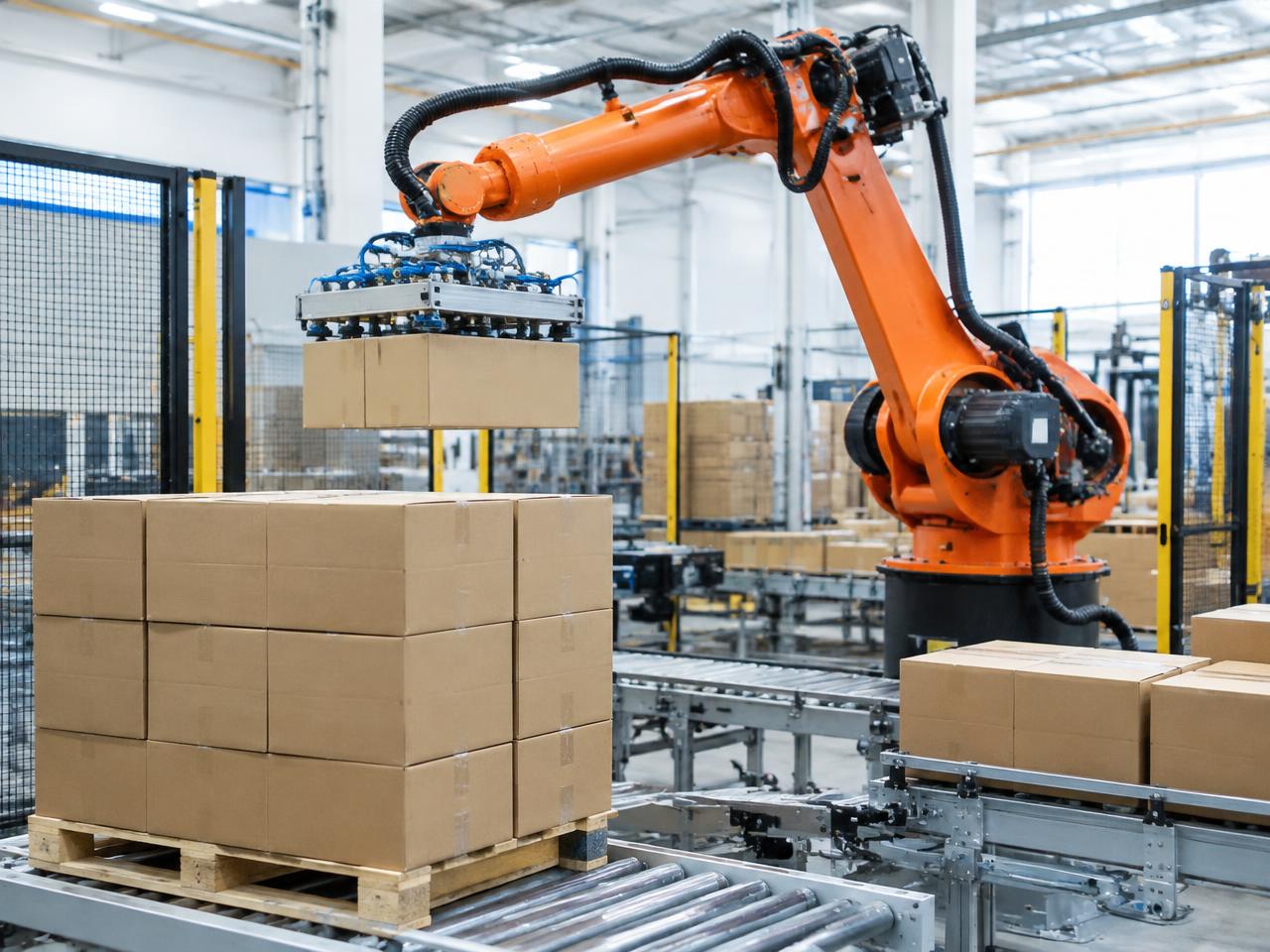
Signs Your Facility May Need Manufacturing Automation
It can help businesses address production bottlenecks, repetitive tasks, and increasing output demands. Identifying operational challenges helps determine where automation could provide practical value.
Frequent Production Bottlenecks: Delays at specific workstations can restrict output across the production line. Targeted manufacturing automation can help improve consistency between connected processes. It can also help coordinate production activities and reduce delays between connected workstations.
High Volumes of Repetitive Work: Repeated manual tasks may require substantial labour and time. Automating suitable activities can help standardise execution and free employees for other responsibilities. This allows employees to focus on tasks that require greater judgement, monitoring, or technical skills.
Inconsistent Product Handling: Variations in manual handling can affect production consistency and product quality. Automated processes can improve repeatability when properly designed and maintained. Robotic systems can also provide consistent positioning and handling for suitable products across repeated production cycles.
Increasing Production Demand: Growing order volumes can place pressure on existing equipment and staffing. Automation can help businesses assess opportunities to increase capacity without relying entirely on additional manual operations. Scalable automation solutions can also support future production requirements as business needs evolve.
Limited Production Visibility: Inadequate process data can make it difficult to identify delays and inefficiencies. Suitable automation and controls can provide useful operational information for monitoring performance. This information helps production teams identify recurring issues and make informed decisions about process improvements.
The MTLI Advantage
- Full industrial engineering from concept through commissioning
- Brand-agnostic robotics sourced across 500+ partners worldwide
- Line automation designed around your takt time, not a catalogue
- Food, bakery, and washdown-rated builds with sanitary detailing
- Automotive-grade delivery discipline: PPAP-minded, deadline-serious
- The same company builds foundations, power, and structure around it
Robotic Cells
Palletizing, depalletizing, case packing, machine tending, and pick cells. These solutions automate repetitive tasks and support consistent handling across manufacturing operations.
Line Automation
Conveyance, accumulation, and controls that hold rate across the line. Integrated systems help coordinate movement between workstations and minimise process interruptions.
Automotive Manufacturing
Material flow, kitting, and line-side delivery automation. These solutions help ensure components reach the appropriate production areas according to manufacturing schedules.
Food & Bakery Automation
Sanitary-design automation for food, beverage, and bakery plants. Equipment selection considers cleaning requirements, product handling, and the operating conditions of production environments.
Plant Material Flow
AGVs, AMRs, and conveyance moving product between processes. These solutions help coordinate internal transport and support smoother movement of materials throughout the facility.
Integration & Commissioning
Controls, safety systems, and rate proving by one accountable team. Testing and validation help confirm system readiness before handover to production.
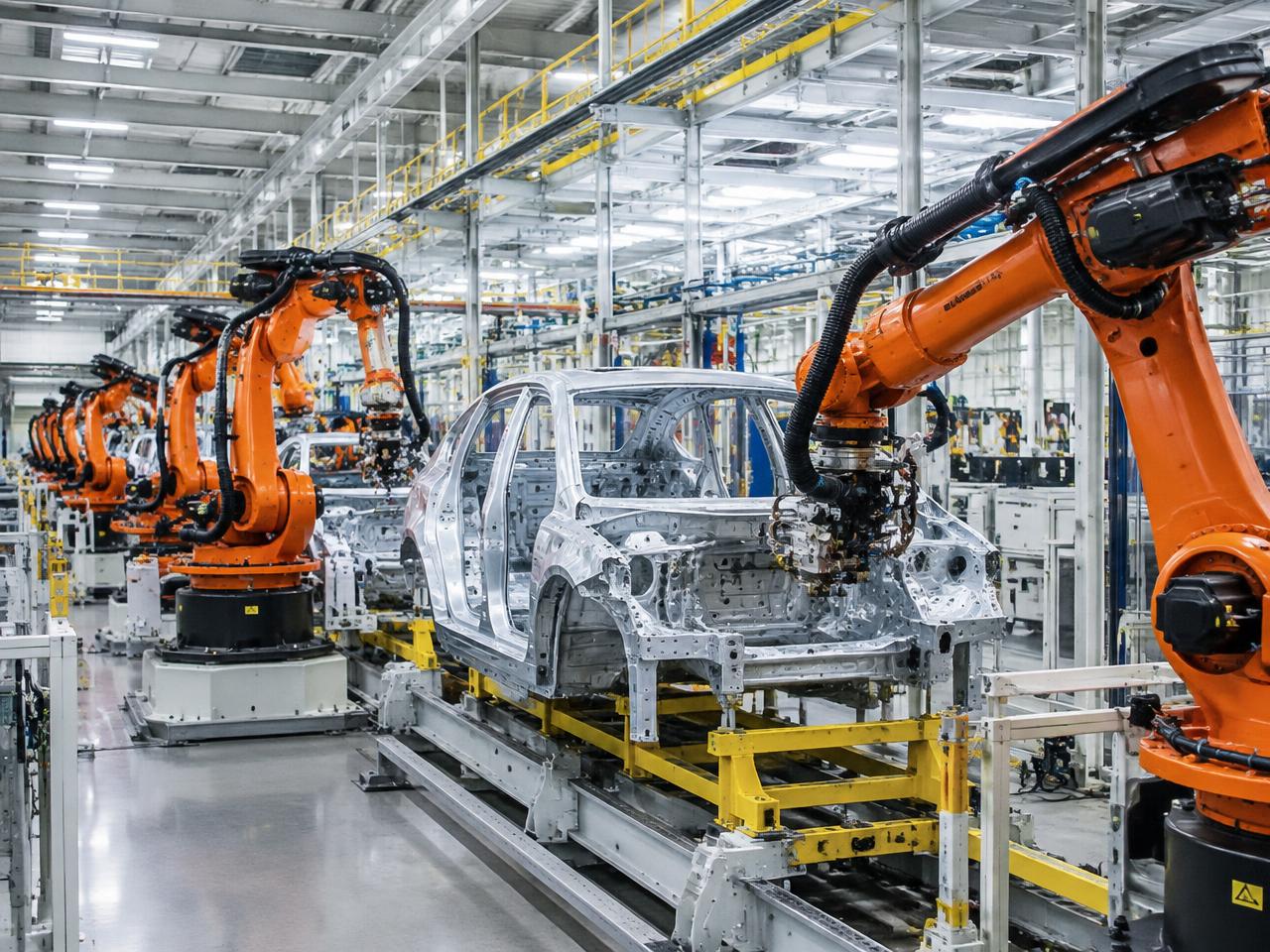
Types of Manufacturing Processes Suitable for Automation
Not every manufacturing task requires the same automation approach. Selecting suitable applications depends on production volume, product characteristics, process complexity, and the level of consistency required.
Assembly Operations: Automated equipment can support repetitive assembly tasks that require consistent positioning and repeatable movements. The system design depends on product geometry, assembly tolerances, and production requirements.
Machine Loading and Unloading: Automation can transfer components into and out of suitable production machines. This can help reduce manual handling and support more consistent machine utilisation.
Inspection and Quality Checks: Vision systems and sensors can assist with checking product features, dimensions, or assembly conditions. Inspection requirements should be defined around the defects and quality criteria that matter to the manufacturer.
Packaging Operations: Automated packaging equipment can support repetitive product preparation, case handling, and packaging workflows. The appropriate solution depends on product dimensions, packaging materials, and required throughput.
Pallet Handling: Robotic palletizing systems can arrange cases or products into defined pallet patterns for storage or shipment. These systems can be configured around product weight, package dimensions, and downstream handling requirements.
How We Work
Our manufacturing automation process takes your project from initial assessment to implementation and ongoing support. Each stage is planned around your production requirements, facility conditions, and operational goals.
Process Study
Map rates, takt, changeovers, and constraints on your floor. This helps identify automation opportunities and define practical performance requirements.
Concept & ROI
Automation concepts modelled against your real labour and volume. Each concept is evaluated against expected costs, potential benefits, and project feasibility.
Engineering
Cell and line design, safety engineering, and controls architecture. Every design considers equipment compatibility, facility layout, and process requirements.
Build & Fabricate
Equipment sourced and custom steel fabricated in parallel. This coordinated approach helps align structural components, machinery, and project schedules.
Install & Integrate
Millwrights, electricians, and controls on one crew. We coordinate equipment connections, safety systems, and interfaces with existing production operations.
Prove & Support
Rate proving, training, and lifecycle support after go-live. Ongoing support helps maintain equipment performance and address changing operational requirements.
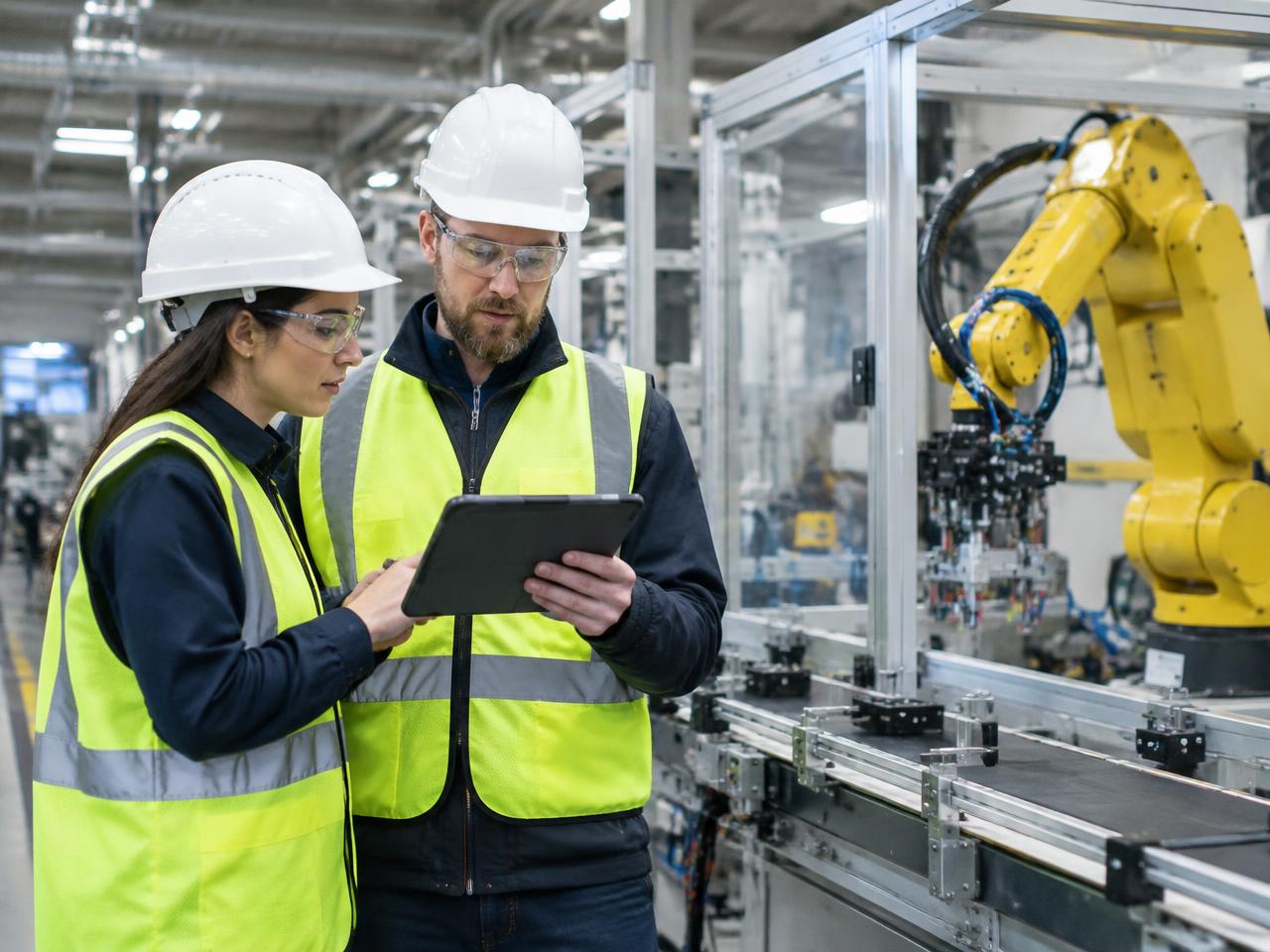
How to Choose the Right Industrial Automation Technology
Choosing an automation solution involves matching the technology to the task rather than selecting equipment based on specifications alone. An experienced industrial automation company can help assess the technical and operational factors that influence system suitability.
Production Volume: Consider current output and expected demand when determining the required system capacity. The selected technology should support realistic production targets and expected operating conditions.
Product Variety: Facilities handling multiple product types may need flexible tooling, adjustable settings, or programmable equipment. These capabilities can help accommodate product changes without extensive system modifications.
Required Precision: Tasks involving tight tolerances or repeatable positioning may require specialised robotics, sensors, or controls. Requirements should be established according to the manufacturing process.
Available Floor Space: Equipment dimensions, operator access, material routes, and maintenance clearances influence system layout. A suitable design should fit the facility while maintaining safe access.
Integration Requirements: New automation must work with existing machinery, controls, and production systems. Reviewing compatibility early can help identify interface requirements and avoid unnecessary disruption.
ASRS Manufacturing: Connecting Automated Storage with Production
Automated storage and retrieval systems (ASRS) help manufacturers manage components, work-in-progress inventory, and production supplies. Effective ASRS manufacturing requires coordination between storage equipment, inventory data, and material delivery schedules to keep production activities organised and supplied.
Component Availability
Storage systems can organise raw materials, components, and production supplies so employees can retrieve them when needed. Planning storage locations around production demand helps reduce delays caused by misplaced or unavailable materials.
Space Utilisation
Assess whether vertical storage and suitable system configurations can make better use of available floor space. The right ASRS setup can help manufacturers increase storage capacity while preserving access routes and space for production equipment.
Inventory Tracking
Consider how the storage system will exchange inventory information with warehouse management or manufacturing software. Accurate data helps teams monitor stock levels, identify material locations, and coordinate replenishment based on production requirements.
Production Supply
Plan how materials will move between storage locations, staging areas, and production lines. Coordinating retrieval schedules with manufacturing demand can help ensure components reach the right workstation at the appropriate time.
System Suitability
Evaluate load dimensions, weight, throughput requirements, building clearances, and retrieval patterns before selecting an ASRS solution. These factors help determine which system configuration best supports the facility's storage needs and production workflow.
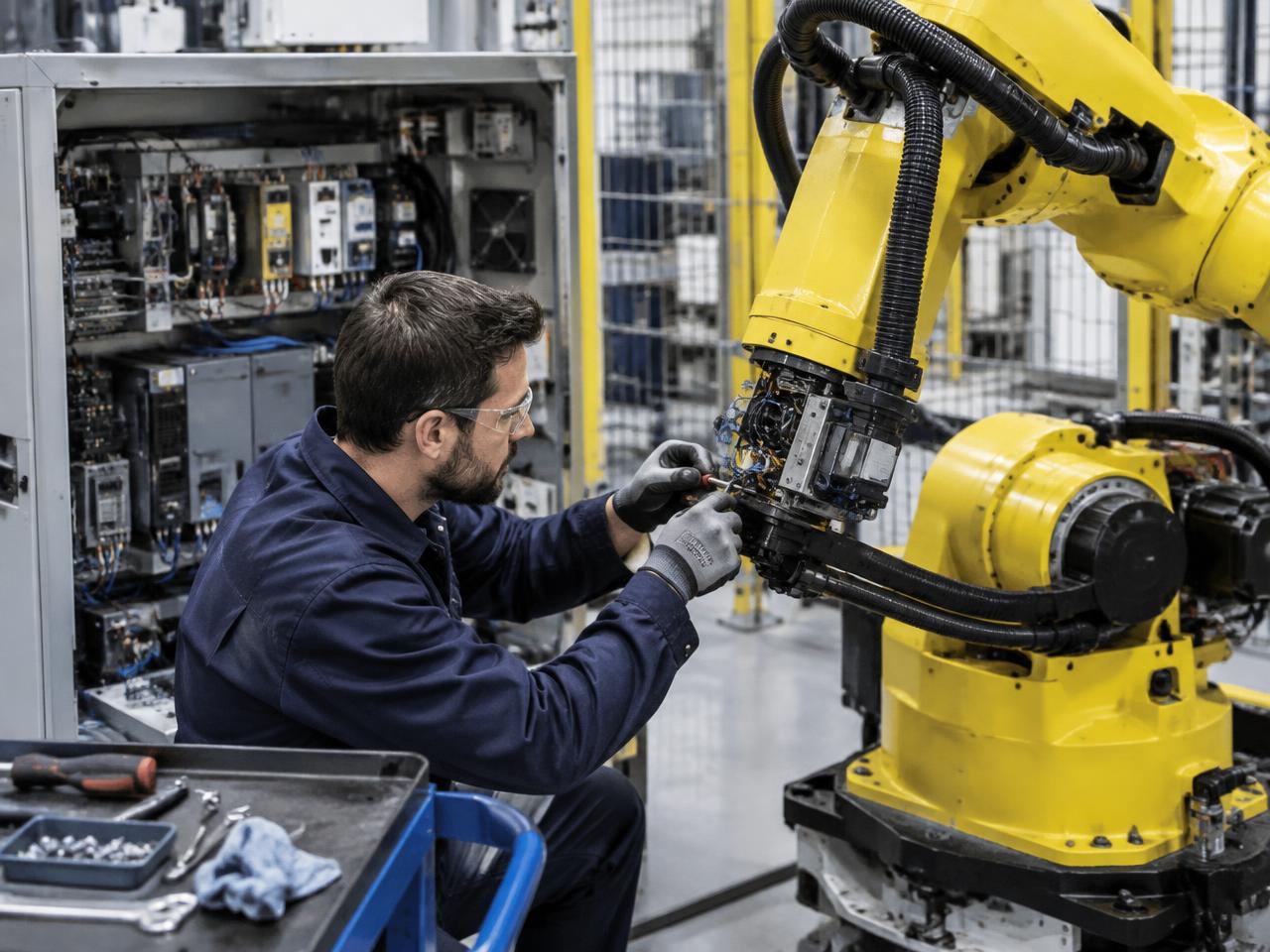
Maintaining Performance After Automation Implementation
Successful installation is only the beginning of a manufacturing automation investment. Ongoing maintenance, performance monitoring, and operational support help manufacturers maintain consistent output, identify potential issues, and adapt equipment to changing production requirements.
Preventive Maintenance: Establish inspection and servicing schedules based on equipment specifications, usage levels, and operating conditions. Routine checks can help identify wear, alignment issues, and other potential faults before they cause unexpected production interruptions.
Performance Monitoring: Track relevant indicators such as cycle time, downtime, throughput, and recurring equipment faults. Reviewing these measures helps teams understand whether the system is meeting production targets and identify areas that may require further investigation.
Spare Parts Planning: Identify critical components and establish suitable replacement arrangements for parts that may affect system availability. Keeping essential spares accessible and planning procurement in advance can help reduce delays when repairs are required.
Operator Development: Provide practical training so employees understand normal operating procedures, safety requirements, and basic troubleshooting steps. Well-trained operators can recognise common issues, respond appropriately, and help prevent avoidable operating errors.
System Improvement: Review production data, maintenance records, and operator feedback to identify opportunities for improvement. Adjustments to control settings, operating sequences, or material flow may help improve efficiency as production volumes and manufacturing needs change.
Production Line Consolidation & Automation
"MTLI moved three lines, automated palletizing at end-of-line, and had us running at rate in January. One vendor handled robots, steel, power, and the move itself."
, Plant Manager, International Manufacturer
Related Services
Frequently Asked Questions
What manufacturing tasks can benefit most from industrial automation?
Assembly, machine tending, inspection, packaging, pallet handling, and repetitive material movement can benefit from manufacturing automation when matched to production needs. Automating suitable tasks can help improve consistency, reduce manual handling, and support smoother production workflows.
How can an industrial automation company help improve production efficiency?
An industrial automation company can assess production bottlenecks, design suitable automated systems, integrate equipment, and commission solutions around operational requirements. This approach helps align automation technology with production targets, facility constraints, and existing processes.
What should manufacturers assess before investing in robotic automation?
Manufacturers should evaluate production volume, product variety, cycle times, required precision, available floor space, safety needs, and compatibility with existing equipment. These factors help determine which robotic solutions suit current operations and future production requirements.
Can robotic automation for manufacturing work with existing production lines?
Yes, it can be integrated with existing machinery and controls, subject to equipment compatibility, layout constraints, and integration requirements. A technical assessment helps identify necessary modifications and plan installation with minimal disruption to production.
Which robotic palletizing systems are suitable for manufacturing facilities?
Suitable robotic palletizing systems depend on package dimensions, product weight, pallet patterns, required throughput, and available space around the handling area. Manufacturers should also consider product variation and how pallets move to downstream storage or shipping operations.
How does automotive manufacturing automation support production operations?
It can support machine tending, material handling, kitting, and line-side delivery to coordinate component movement across production processes. These systems help maintain organised workflows and support consistent component supply to production workstations.
Can manufacturing automation accommodate changing product designs?
Yes, programmable equipment, flexible tooling, and adjustable settings can help manufacturing automation accommodate product variations and changing production requirements. The level of flexibility depends on system design, product complexity, and the adjustments needed between production runs.
What is the role of controls integration in manufacturing automation?
Controls integration connects automated equipment, machinery, and safety systems so production processes can operate according to defined sequences and performance requirements. Proper integration also helps coordinate equipment communication and supports consistent operation across connected production stages.
How can manufacturers determine the return on investment from automation?
Manufacturers can assess potential returns by comparing implementation costs with expected changes in labour requirements, throughput, cycle times, downtime, and operational performance. Reviewing these factors alongside maintenance and integration costs helps establish realistic financial expectations.
What should businesses consider when automating food and bakery production?
Food and bakery automation should account for product handling, production rates, cleaning requirements, sanitary design, and the operating conditions of the facility. Equipment selection should also reflect product characteristics and the specific hygiene requirements of each production process.
Related Pages
Industries We Serve
Deep-Dive Guides
Optimise Your Manufacturing Automation with MTLI Group
Ready to improve production efficiency with manufacturing automation? MTLI Group delivers integrated industrial automation solutions, from robotic cells and line automation to plant material flow and ASRS manufacturing. Contact our team to discuss your facility requirements and develop an automation strategy aligned with your production goals.