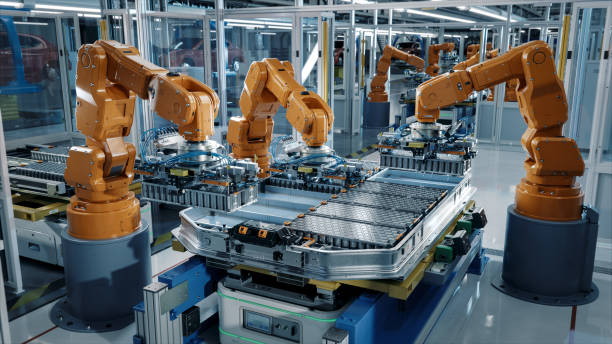
Walk through two factories making the same product, and you’ll often find two very different operations underneath. One relies almost entirely on manual labor at every station. The other has robots handling repetitive assembly, sensors tracking output in real time, and software routing work orders without anyone picking up a clipboard. The gap between those two floors is manufacturing automation, and it’s becoming less of a competitive edge and more of a baseline expectation across US industry.
This guide breaks down what manufacturing automation actually includes, the systems and applications that make it work, and the concrete benefits a plant owner can expect from investing in it. MTLI Group builds and integrates these systems for manufacturers looking to modernize without disrupting production they can’t afford to pause.
Understanding Manufacturing Automation in Practice
Manufacturing automation refers to the use of control systems, machinery, and software to perform production tasks with minimal direct human intervention. That definition covers a wide range, from a single automated welding station to a fully integrated line where robots, conveyors, and software coordinate without a person touching the product until final inspection.
It’s worth separating the concept from full “lights-out” manufacturing, which is a popular but misleading image. Most manufacturing automation today is partial, automating the repetitive, physically demanding, or precision-critical steps while keeping people in oversight, quality control, and exception-handling roles. Our manufacturing automation and robotics team designs systems around that reality, building automation into the steps where it adds the most value rather than automating for its own sake.
The Core Systems Behind Manufacturing Automation
A handful of core system types show up in nearly every manufacturing automation project, regardless of industry or product type.
Programmable Logic Controllers (PLCs) handle the moment-to-moment logic that runs individual machines or production cells. Sensors and vision systems detect defects, measure tolerances, and confirm correct part placement faster and more consistently than a human inspector working an eight-hour shift. Human Machine Interfaces (HMIs) give operators a way to monitor and adjust equipment without needing to understand the underlying code. Supervisory Control and Data Acquisition (SCADA) software ties individual machines into a facility-wide view.
Electrical infrastructure underpins all of it. Systems with heavier power demands or more complex wiring typically require professional electrical automation solutions. This is since production equipment draws far more load, and tolerates far less downtime, than standard commercial electrical systems.
Manufacturing Robotics: Where Robots Fit into the Picture
Manufacturing robotics is a specific category within the broader automation umbrella, covering machines that physically manipulate materials or products rather than just controlling or monitoring a process.
| Robot Type | Primary Function | Common Industry Use |
|---|---|---|
| Articulated Robotic Arms | Welding, assembly, material handling | Automotive, metal fabrication |
| SCARA Robots | High-speed, precise pick-and-place | Electronics assembly |
| Collaborative Robots (Cobots) | Work alongside human operators safely | Packaging, light assembly |
| Mobile Robots (AMRs) | Transport materials between workstations | Parts delivery on the floor |
The right type depends entirely on the task. A high-speed SCARA robot excels at repetitive, precise placement but isn’t built for heavy lifting. A collaborative robot trades some speed for the ability to work directly next to staff without extensive safety caging.
Facilities moving material between production and storage zones often pair robotics with end-to-end racking solutions. This is since the two work best as a coordinated handoff rather than separate, disconnected pieces of equipment.
Robotic Automation for Manufacturing: Common Applications
Robotic automation for manufacturing shows up across nearly every stage of production, not just the final assembly line.
A few of the most common applications include:
- Welding and joining, where consistency directly affects structural integrity
- Material handling and palletizing, reducing repetitive strain injuries tied to manual lifting
- Quality inspection using machine vision to catch defects a human eye might miss
- Packaging and kitting, where speed and repeatability matter more than judgment calls
Heavier equipment installations, like large robotic welding cells or automated press lines, typically require specialized rigging and structural planning. Our heavy industrial installation crews handle this kind of work directly, since positioning and anchoring large automated equipment correctly the first time avoids costly downtime later.
Software and Controls: The Layer That Ties It Together
Physical equipment only performs as well as the software and controls directing it. This layer is often underestimated during planning, even though it’s frequently what determines whether an automation investment actually pays off.
Manufacturing Execution Systems (MES) track work orders, production status, and quality data in real time across the floor. Enterprise Resource Planning (ERP) integration connects production data to inventory, procurement, and financial systems. Predictive maintenance software flags equipment wear before it causes an unplanned stoppage, based on sensor data rather than a fixed maintenance calendar.
Getting this layer right requires electrical and controls expertise that goes beyond standard commercial work. Our guide to industrial electrical contracting covers why this distinction matters, particularly for facilities layering automation onto electrical infrastructure that wasn’t originally designed for it.
Why US Manufacturers Are Automating Faster Than Ever
The pace of adoption across US manufacturing has picked up noticeably over the past two years. According to the International Federation of Robotics, US industrial robot installations rose 12 percent to reach 38,500 units in 2025, pushing the United States past Japan to become the world’s second-largest robot market behind China. That single-year jump reflects a broader shift, not an isolated trend in one industry segment.
Labor availability is a major driver behind that shift. Manufacturers across the country are finding it increasingly difficult to staff repetitive, physically demanding roles at a sustainable cost, which makes manufacturing robotics an increasingly practical answer rather than a futuristic upgrade. Facilities in manufacturing that compete on both cost and delivery speed are under particular pressure to close that gap quickly, since competitors who automate first tend to pull ahead on both fronts simultaneously.
The Real Benefits, Beyond the Obvious
Most conversations about manufacturing automation focus on speed, but the full benefit picture runs deeper than throughput alone.
| Benefit Category | What It Delivers |
|---|---|
| Consistency | Fewer defects from fatigue or human variability |
| Labor Reallocation | Staff shift toward oversight and skilled work |
| Data Visibility | Real-time production data instead of end-of-shift reports |
| Safety | Reduced exposure to repetitive strain and hazardous tasks |
Facilities with high-density storage needs often see compounding benefits when automation extends into material handling.
Productivity Gains: What the Data Shows
The productivity case for manufacturing automation isn’t just anecdotal. According to the US Bureau of Labor Statistics, manufacturing sector labor productivity increased 2.4 percent in the second quarter of 2026, continuing a multi-quarter trend of stronger-than-usual productivity growth across the sector. While productivity gains come from several factors, increased automation adoption is a consistent contributor cited across recent BLS analysis of the manufacturing sector.
That gain matters most when it’s paired with reliable installation and ongoing support. A system that runs well on day one but lacks proper support from an experienced installation team tends to lose much of its productivity advantage within the first year. This is as minor calibration issues compound into real downtime.
MTLI’s Approach to Reliable Manufacturing Automation
Not every industrial automation company brings the same depth of experience to a manufacturing project. Some specialize narrowly in software or controls, while others handle only the mechanical installation side, leaving facilities to coordinate the gap themselves.
A few questions worth asking before signing a contract:
- Does the company handle both electrical infrastructure and physical equipment installation?
- Can they walk through a comparable project in your specific industry?
- Who provides ongoing support once the system is live?
- How do they handle integration with existing production equipment?
MTLI approaches manufacturing automation projects as a single accountable scope, covering electrical work, equipment installation, and software integration under one team rather than requiring clients to manage multiple vendors separately.
Planning Gaps That Can Derail an Automation Project
Manufacturing automation projects can face costly delays when important requirements are overlooked. Planning for electrical capacity, equipment fit, and future needs helps prevent problems during installation.
Common mistakes include:
- Overlooking Electrical Capacity: Automated equipment may need more power than existing systems can provide. Assessing electrical loads early helps identify necessary upgrades.
- Skipping a Site Assessment: Robots and conveyors must fit the available floor space and ceiling height. Checking site conditions before equipment selection helps avoid costly changes.
- Ignoring Future Relocation: Moving automated systems requires careful handling and planning. Include relocation needs in your plans to reduce downtime and equipment damage.
- Overlooking Integration Needs: New equipment must work with existing machinery and controls. Planning these connections early helps prevent compatibility issues.
- Neglecting Ongoing Support: Regular maintenance and troubleshooting help keep automated systems running reliably.
Addressing these issues early helps manufacturers reduce rework, avoid delays, and get more value from their automation investment.
Where to Go from Here
Manufacturing automation isn’t a single purchase decision. It’s an ongoing shift in how a facility handles repetitive, precision, and data-tracking tasks, built one system at a time rather than all at once. Understanding the core categories, robotics, software, and electrical infrastructure, gives facility owners a much clearer starting point than jumping straight to vendor quotes.
MTLI Group works with manufacturers across the country to plan and install automation systems sized to their actual production needs. Contact our team to talk through where automation could help your line most.