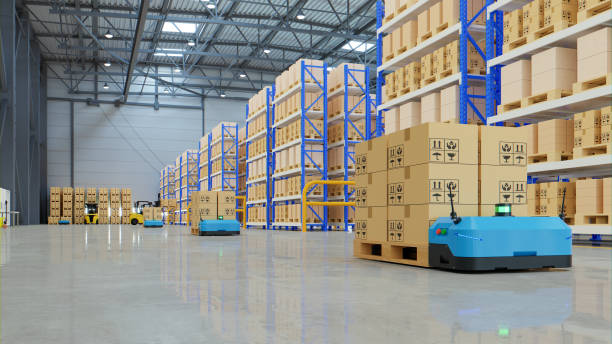
Every automation vendor pitch sounds convincing in the conference room. Faster picking, fewer errors, a shorter payback period than the competitor down the hall promised. The problem is that most of those numbers are built on assumptions about your facility, not measurements of it. Before signing anything, a handful of pointed questions will tell you more about a warehouse automation company than any demo reel ever will.
MTLI Group works as a full-scope warehouse automation provider, and this guide walks through the questions we think every facility owner should be asking, including of us.
Why This Decision Deserves More Than a Sales Pitch
Automation projects fail less often because the technology doesn't work and more often because it wasn't the right technology for the problem in front of it. A conveyor system sized for the wrong throughput, or an ASRS company that never asked about seasonal volume swings, can leave a facility with expensive equipment that still doesn't solve the actual bottleneck.
Part of the confusion comes from how automation gets sold. A vendor selling one type of equipment has an obvious incentive to recommend that equipment, regardless of fit. A true warehouse system integrator, by contrast, should be starting from your operation's specific constraints, not their product catalog. Electrical infrastructure is often the first thing overlooked in these conversations, which is why we recommend reviewing electrical automation services requirements before committing to any equipment, since underpowered infrastructure can derail a project long after the contract is signed. The same goes for retrofitting existing machinery into a new system, work that belongs with a team experienced in automation equipment installation rather than treated as an afterthought.
Start With What You're Actually Trying to Solve
Before evaluating any vendor, get specific about the problem. Is throughput the bottleneck, or is it error rate? Is the issue labor availability, or floor space? These are different problems with different solutions, and a warehouse automation company that jumps straight to a proposal without asking these questions first is skipping a step that matters.
Material flow is usually where this gets tested. If product needs to move faster between zones, a properly designed conveyor system might solve it outright. If the real constraint is picking density in a tight footprint, a shuttle system built for high-density storage may be a better fit than a conveyor at all. Ask any vendor to explain, in plain terms, why they're recommending their specific solution over the alternatives, and be wary of an answer that circles back to "this is what we sell."
Comparing the Systems a Warehouse Automation Company Might Propose
Different automation categories solve different problems, and understanding the tradeoffs helps you evaluate a proposal on its merits rather than its polish.
| System Type | Best Solves | Typical Fit |
|---|---|---|
| Conveyor Systems | Material flow between zones | High-volume, linear processes |
| ASRS | Storage density, retrieval speed | High SKU count, limited footprint |
| Shuttle Systems | Flexible, scalable storage automation | Growing operations, variable volume |
| Automation Retrofits | Upgrading existing equipment | Facilities avoiding a full rebuild |
An ASRS installation makes the most sense when storage density is the primary constraint, since these systems trade some flexibility for maximum use of vertical space. Facilities in manufacturing often combine several of these categories within one project, automating both raw material storage and finished goods handling with different systems suited to each.
The Numbers Behind Why Warehouses Are Automating Now
The pressure to automate isn't hypothetical, and the labor data explains why. Labor productivity in warehousing and storage fell 7.4 percent during a recent business cycle period, according to Bureau of Labor Statistics data, even as hours worked in the sector climbed, meaning facilities are putting in more labor hours to get less output per hour worked. That gap is exactly the kind of trend automation is designed to close.
Industry surveys back this up from the buyer's side too. The 2025 MHI Annual Industry Report found that 83 percent of supply chain leaders expect to adopt robotics and automation technology within five years, driven largely by persistent labor shortages across the sector. For facilities in warehousing and distribution, this isn't a future trend to watch from the sidelines. It's already reshaping who can compete on cost and speed.
What to Ask About Cost, Timeline, and Support
A proposal that only lists equipment cost is an incomplete proposal. Installation, integration with existing systems, staff training, and ongoing support all belong in the conversation before you sign anything.
| Question to Ask | Why It Matters |
|---|---|
| What's included beyond equipment cost? | Installation and integration often cost as much as the hardware |
| What is the realistic payback period? | Vendor estimates often assume ideal conditions |
| Who handles support after go-live? | Some vendors disappear once the check clears |
| Can this integrate with our existing racking and WMS? | Poor integration erases most of the promised benefit |
Retrofitting existing equipment raises its own version of these questions. A provider offering automation retrofits should be able to explain exactly which components of your current setup will carry forward and which need replacement, not just quote a lump sum for "modernization." Businesses serving 3PL and logistics clients should push especially hard on support terms, since a system that goes down during a client's peak season carries costs well beyond the repair bill.
Questions That Separate a Real Integrator From a Reseller
Ask who actually installs the equipment. Some companies that call themselves a warehouse automation company are really reselling someone else's hardware and subcontracting the install to a third party they don't directly manage. That layered structure makes accountability murky the moment something goes wrong.
Ask about their role as an installation partner specifically: do they design, install, and support the system themselves, or hand off pieces along the way? Ask how automation plans get coordinated with any concurrent building work too, since a project involving new construction alongside automation needs both scopes managed together, not scheduled independently and hoped into alignment.
How MTLI Answers These Questions
At MTLI, the same team that assesses your operation designs the system, and the same team installs it. We don't hand off pieces of a warehouse automation project to subcontractors we don't directly manage, which means one point of accountability from the first site visit through commissioning and beyond.
We also size every recommendation to the operation in front of us, not a generic use case. A facility built around e-commerce fulfillment has very different peak-volume demands than a manufacturing plant storing raw materials, and the automation plan should reflect that difference rather than applying the same template to both.
Choose Your Warehouse Automation Company Carefully - Contact MTLI
The right warehouse automation company earns your trust by answering hard questions clearly, not by promising the fastest payback in the room. Slowing down at the evaluation stage, asking about integration, support, and true accountability, protects the investment far more than any single feature on a spec sheet.
MTLI Group works with businesses across the country as a direct warehouse automation company and system integrator, handling design, installation, and support under one team. Contact our team to start the conversation with a real assessment, not a sales pitch.