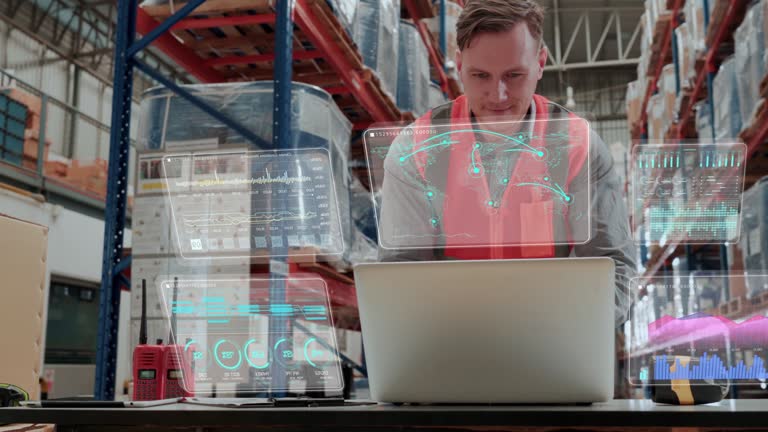
The Role of IoT Warehouse Technology in Smart Operations
Technology decision makers evaluating a smart warehouse project usually start with the same question: which sensors and devices actually move the needle, and which ones just add another dashboard nobody checks. The Internet of Things (IoT) has become the backbone of that decision. This is since it is the layer that connects equipment, inventory, and software into one operating picture instead of a collection of separate systems.
MTLI Group works with operations and technology teams across the US and Canada on the construction, electrical, and automation projects that make an IoT warehouse possible. This guide covers where IoT delivers real value on the warehouse floor. It also shares what it takes to deploy it well and where technology decision makers commonly get the planning wrong.
What an IoT Warehouse Actually Looks Like
An IoT warehouse connects physical equipment and inventory to a shared data network using sensors, tags, and connected devices that report status in real time. Instead of staff manually checking equipment or counting inventory on a schedule, the system reports conditions continuously. This shortens the time between a problem occurring and someone knowing about it.
This shift matters more as facilities scale. According to a NIST IoT Advisory Board report, one of the most consistent barriers cited across industries adopting IoT is a shortage of workers with the skills to manage connected systems. That finding matters for warehouse operations specifically. This is since a connected warehouse only delivers value if staff can interpret and act on the data it produces.
Core Technologies Behind Connected Warehouse Systems
Several distinct technologies work together to create connected IoT warehouse systems, and most facilities adopt them in stages rather than all at once.
- Radio-Frequency Identification (RFID) tags track inventory and assets as they move through the facility. This replaces manual scanning at fixed checkpoints with continuous location data.
- Sensors on equipment monitor conveyor motors, forklift batteries, and refrigeration units. They flag unusual vibration, temperature, or power draw before it becomes a breakdown.
- Real-Time Location Systems (RTLS) track the position of forklifts, pallets, and staff across the facility. This helps identify bottlenecks in how people and equipment move through the floor.
- Connected sensors on racking and storage monitor load weight and structural stress in high-density storage areas. This adds a safety layer that manual inspection alone cannot match.
- Environmental sensors track temperature and humidity continuously in cold storage or climate-sensitive facilities. This replaces periodic manual checks with constant monitoring.
The table below summarizes these technologies and where they deliver the most value.
| Technology | What It Tracks | Where It Delivers the Most Value |
|---|---|---|
| RFID tagging | Inventory and asset location | High SKU count facilities |
| Equipment sensors | Motor, battery, and power performance | Preventing unplanned equipment downtime |
| Real-Time Location Systems | Position of forklifts, staff, and pallets | Facilities with heavy floor traffic |
| Racking load sensors | Weight and structural stress | High-density storage areas |
| Environmental sensors | Temperature and humidity | Cold storage and food and beverage facilities |
Connectivity Standards Behind an IoT Warehouse
None of these sensors matter if the network cannot carry their data reliably. Technology decision makers evaluating connectivity options usually weigh a handful of standards against each other, and the right choice often depends on facility size, building materials, and how much device density the floor needs to support.
- Wi-Fi remains the most common choice for facilities with moderate device counts, since it uses infrastructure, many buildings already have in place. Coverage gaps around metal racking and concrete walls are the most frequent issue facilities run into.
- Private cellular networks work well in larger facilities that need consistent coverage across a wide, obstructed floor plan. This is since they avoid the interference issues that dense Wi-Fi deployments sometimes face.
- Low-Power Wide-Area Network (LPWAN) technology suits sensors that send small amounts of data infrequently, such as environmental monitors. This is because it extends battery life far beyond what constant Wi-Fi connectivity allows.
| Connectivity Option | Best Suited For | Main Tradeoff |
|---|---|---|
| Wi-Fi | Moderate device density, existing infrastructure | Coverage gaps around metal and concrete |
| Private cellular | Large facilities, wide obstructed floor plans | Higher upfront infrastructure cost |
| LPWAN | Low-frequency sensors, long battery life | Lower data throughput per device |
Facilities that select connectivity based on the type of data their sensors generate tend to see fewer dropped readings and less troubleshooting after deployment.
Why IoT Logistics Data Changes Decision Making
IoT logistics data gives operations teams a real-time view instead of a historical one. A traditional warehouse report tells a manager what happened yesterday. A connected system tells a manager what is happening right now. This changes the kind of decisions a team can make and how quickly they can make them.
This shift shows up clearly in maintenance planning. Instead of servicing equipment on a fixed schedule regardless of actual condition, sensor data lets teams schedule maintenance based on how a piece of equipment is actually performing. This approach, often called predictive maintenance, pairs well with a structured upkeep program. It tends to catch problems before they cause a full stoppage.
It also changes how facilities plan labor. With real-time visibility into where bottlenecks form, operations teams can shift staff toward the parts of the floor that need it most. This is rather than relying on a fixed staffing plan built around average conditions instead of the conditions on a given day.
This same visibility changes how technology decision makers justify budget internally. A proposal built on projected savings alone tends to face more scrutiny than one that includes a plan for tracking actual performance against the projection once the system is live. Facilities that commit to specific, measurable metrics before deployment, such as reduced downtime hours or faster inventory counts, find it easier to demonstrate value to leadership during budget reviews that follow.
Where IoT Warehouse Deployments Deliver the Strongest Return
Not every part of a facility benefits equally from IoT investment. Technology decision makers get more value by targeting the areas where connected systems solve a real, measurable problem.
- Cold storage and food and beverage facilities see some of the clearest returns, since continuous environmental monitoring protects perishable inventory and reduces the labor cost of manual temperature checks.
- High-density storage areas benefit from load and structural sensors that catch rack stress before it becomes a safety issue, a concern that also comes up when evaluating automated storage and retrieval investments for facilities running close to full capacity.
- Facilities with high equipment utilization gain the most from equipment sensors, since the cost of unplanned downtime scales with how much a facility depends on that equipment running continuously.
- Multi-client or high SKU count operations benefit most from RFID and location tracking, since manual inventory processes struggle to keep pace with high transaction volume across many products.
The table below outlines a general framework for prioritizing this investment based on facility profile.
| Facility Profile | Recommended Starting Point | Expected Benefit |
|---|---|---|
| Cold storage or perishable goods | Environmental sensors | Reduced spoilage, continuous monitoring |
| High-density storage | Racking load sensors | Early detection of structural stress |
| Equipment-intensive operations | Equipment condition sensors | Fewer unplanned downtime events |
| High SKU or multi-client facilities | RFID and location tracking | Faster, more accurate inventory counts |
Planning an IoT Warehouse Deployment
Technology decision makers evaluating an IoT warehouse project should work through a few questions before committing to a full rollout. This is since the answers shape both the equipment selection and the budget request that follows.
- What problem is the deployment actually solving? Connected systems generate a large amount of data, but data alone does not improve operations. Start with a specific operational problem and choose the sensors that address it directly.
- Does the facility's network support the added device load? Connected sensors and tags depend on reliable wireless coverage throughout the building. A facility with dead zones or outdated network infrastructure needs that addressed before a large sensor deployment, not after.
- Who owns the data once it is collected? Sensor data needs a clear home, whether that is the warehouse management system, a dedicated analytics platform, or both. Facilities that skip this planning step often end up with data nobody actually uses.
- How will the system scale as the facility grows? A deployment built for current operations should have room to add sensors and devices as the facility expands, rather than requiring a full redesign every time capacity increases.
Facilities planning a broader warehouse automation systems project alongside IoT sensors benefit from designing both layers together. This is because the physical automation and the connected sensor layer often share the same network and control infrastructure.
Workforce and Training Considerations
Connected systems shift staff responsibilities rather than eliminating the need for people. Warehouse teams increasingly need staff comfortable interpreting dashboards, responding to sensor alerts, and troubleshooting connectivity issues, skills that differ from traditional manual warehouse work. Facilities sometimes address this gap by cross-training existing staff rather than hiring entirely new roles. This is since employees already familiar with facility operations often adapt faster to a connected system than new hires would.
Growth in transportation and warehousing employment supports this shift. The Bureau of Labor Statistics projects continued employment growth in transportation and warehousing through 2034. This is driven in part by rising parcel and e-commerce volume, and notes growing demand for computer and information technology roles across industries as connected systems reshape the skills warehouses need on staff.
Facilities that invest in training alongside their deployment see faster adoption than those that treat the technology rollout and staff training as separate initiatives.
How MTLI Group Supports IoT Warehouse Projects
MTLI Group works with technology and operations teams across the US and Canada on the construction, electrical, and automation work that supports this kind of deployment. Our team coordinates network infrastructure, installation and commissioning work, and racking and storage layout so the physical and connected layers of the facility work together instead of as separate projects.
With more than 40 years of experience and over 15,000 completed projects, MTLI Group brings the cross-discipline coordination these projects require, particularly when sensor deployment overlaps with construction, automation, or renovation work already underway.
Building a Smarter IoT Warehouse
This approach succeeds when the sensor and data layer solves a specific operational problem rather than simply adding more dashboards to monitor. Technology decision makers who start with a clear use case, confirm their network can support the added device load, and train staff alongside the rollout see faster, more measurable returns than facilities that treat IoT as a technology purchase alone.
MTLI Group helps operations and technology teams plan connected warehouse projects that fit their facility's real needs. Get in touch with our team to talk through a connected operations assessment for your facility.