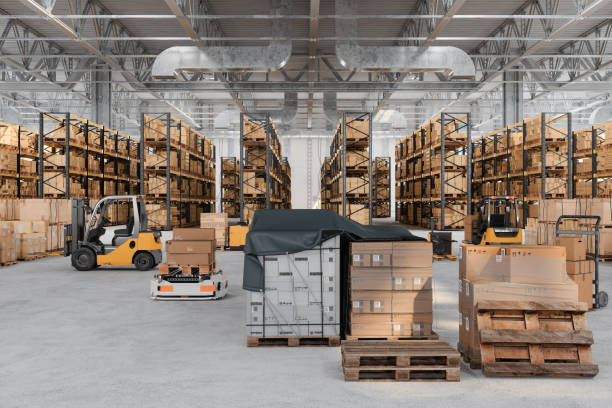
A conveyor line that looks perfect on paper can still fail on the floor if the sequence of work goes wrong. Electrical gets pulled before the mechanical layout is finalized. Robotics arrives before the safety systems around it are in place. Skipped steps like these are behind most of the delays and rework that plague warehouse automation projects. Getting the order right matters as much as getting the equipment right.
This guide walks through the actual sequence behind a well-run installation project. MTLI Group provides industrial equipment installation services for warehouses and manufacturing facilities adding automation to their operations.
Setting the Stage: Site Assessment and Readiness
Every reliable installation starts with a walk-through before a single piece of equipment shows up. This step confirms floor load capacity, ceiling clearance, existing electrical service, and how the new equipment will physically fit alongside whatever is already running on the floor. Skipping this step is the single fastest way to discover a costly mismatch after equipment has already been delivered.
Our guide to equipment installation walks through what this assessment typically covers, from structural verification to utility mapping, for teams planning their first large-scale automation project.
Getting the Infrastructure Right Before Equipment Arrives
Infrastructure work happens before installation day, not during it. This includes any structural reinforcement, conduit runs, and panel upgrades needed to support new equipment loads. As part of industrial equipment installation services, this preparation ensures the facility is ready for the equipment before it arrives. Rushing this stage, or worse, skipping it to save time, tends to backfire once equipment is on site and the crew discovers the panel cannot handle the draw.
Heavier equipment adds another layer of complexity here. Projects involving large-scale machinery typically route through a team experienced in heavy industrial installation, since rigging, anchoring, and load distribution all need to be planned before the equipment physically arrives on site. Safety infrastructure belongs in this same phase, not tacked on afterward. Guardrails, light curtains, and emergency stops installed through a dedicated safety systems installation process should be in place and tested before any automated equipment runs its first cycle.
Sequencing Conveyor, Robotics, and Mechanical Work
Different types of installation work depend on each other, and getting the order wrong creates rework that a proper sequence avoids entirely.
Conveyor system installation typically goes in first among the moving equipment, since it establishes the physical backbone that other systems, including robotics and sorting stations, need to align against. Our conveyor system installation teams coordinate closely with structural crews to make sure support points and alignment tolerances are locked in before anything else gets built around them. A robotics installation company generally follows conveyor work, since robotic arms and pick stations need a fixed, finished reference point to calibrate against. Mechanical installation, covering the physical mounting and alignment of machinery, threads through both stages and has to stay coordinated with electrical work happening in parallel.
| Installation Stage | Typical Sequence Position | Key Dependency |
|---|---|---|
| Structural and Electrical Prep | First | Site assessment findings |
| Conveyor System Installation | Second | Finalized structural layout |
| Robotics and Automation Equipment | Third | Completed conveyor alignment |
| Mechanical Fine-Tuning and Calibration | Fourth | All physical equipment in place |
Racking often gets installed alongside or just before conveyor work when the two systems interact directly, which is why our racking installation crews coordinate their schedule closely with the conveyor and automation teams on shared projects.
Why Getting Installation Sequencing Right Matters More Than Ever
Demand for properly sequenced, professionally executed installation work keeps climbing alongside the pace of automation adoption itself. National employment data shows the field responsible for this kind of work is expanding quickly: industrial machinery mechanics, machinery maintenance workers, and millwrights, the occupations most directly tied to equipment installation, are projected to see employment grow 13 percent from 2024 to 2034, with about 54,200 openings projected annually, a rate the Bureau of Labor Statistics classifies as much faster than average.
Robotics adoption is climbing right alongside that trend. North American companies ordered 26,441 robots valued at $1.7 billion across the first nine months of 2025, a 6.6 percent increase in units over the same period in 2024, according to data from the Association for Advancing Automation. That volume of new equipment entering facilities nationwide makes proper installation sequencing more important than ever, since a facility bringing in robotics needs the surrounding conveyor and support systems, including ASRS installation work where applicable, ready and correctly aligned before the robotics arrive.
Testing, Commissioning, and the Cost of Skipping It
Testing and commissioning are where a rushed installation gets exposed. This stage involves running every system, individually and then together, to confirm the equipment performs as designed under real operating conditions rather than just passing a visual inspection.
Skipping thorough testing to hit a launch date is a common shortcut with a high price. Problems that would have surfaced in a controlled test often surface instead during live operation, when a stoppage costs far more in lost throughput than the extra day of testing would have cost upfront.
| Approach | Rushed Commissioning | Thorough Commissioning |
|---|---|---|
| Issue Discovery Timing | During live operation | Before go-live |
| Cost of Fixing Issues | Higher, production impact | Lower, controlled environment |
| Staff Confidence at Launch | Lower, unresolved questions | Higher, system already proven |
| Risk of Early Downtime | Elevated | Minimized |
Facilities integrating specialized machinery, including process lines handled through processing equipment installation, should insist on documented commissioning results before accepting a project as complete. An electrical installation company should provide the same documentation for power systems, confirming load testing and safety checks before equipment goes live.
Installation Errors That Cost the Most to Fix Later
The most expensive mistake is starting equipment installation before infrastructure work is actually finished, a shortcut taken to meet a deadline that almost always creates more delay than it saves. Electrical and mechanical trades stepping on each other's schedule is a close second, usually the result of poor coordination between separate contractors rather than any single team's fault.
Dock and material flow planning gets overlooked more often than it should. A dock door installation scheduled without coordinating truck and forklift traffic patterns around new automation equipment can create a bottleneck that undoes much of the efficiency gain the automation was meant to deliver. Projects that add a mezzanine level alongside new equipment face a similar risk if mezzanine installation timing isn't synced with the automation build happening below or around it.
How MTLI Runs an Industrial Equipment Installation Project
MTLI Group manages installation sequencing directly, rather than leaving coordination between conveyor, robotics, electrical, and mechanical trades to chance. One team plans the order of operations from the initial site assessment through final commissioning, which is what keeps a project on schedule when multiple systems need to come together at once.
For facilities bringing in a new automation platform for the first time, our warehouse automation installation partner program pairs clients with a dedicated project lead who stays involved from planning through go-live.
Get Industrial Equipment Installation Services From MTLI
The difference between a smooth automation rollout and a delayed, over-budget one usually comes down to sequencing, not equipment quality. Getting site assessment, infrastructure prep, installation order, and commissioning right in that order is what keeps a project on schedule.
MTLI Group provides industrial equipment installation services for businesses adding automation, robotics, and material handling systems to their facilities. Contact our team to plan your next installation project.