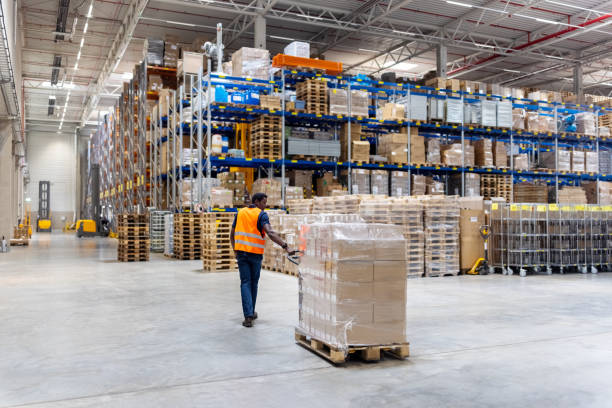
Moving a large facility is not like moving an office. Production equipment has to come offline in a specific order, inventory has to be tracked through every leg of the move, and racking has to come down and go back up without damaging the product it once held. A single missed step can turn a planned two-week transition into a month of lost output. For manufacturers, a warehouse relocation of any real size needs a checklist that covers every phase, not just the truck on moving day.
MTLI manages large-scale relocations for manufacturers across the U.S., coordinating the planning, the physical move, and the rebuild on the other end as one project. This guide walks through the checklist a manufacturer should follow before, during, and after a major facility move.
Why Large Warehouse Relocation Need a Different Approach
A small office move can happen over a weekend with minimal disruption. A large manufacturing or distribution facility cannot simply shut down for a few days without a real cost to revenue and customer commitments. Equipment needs disconnection, transport, and recalibration. Racking needs to come down without damaging stored inventory. Production lines need a sequence that keeps critical operations running as long as possible before the final cutover.
Federal safety rules apply throughout this process, not just at the new site. OSHA's general industry standard requires sufficient clearance for aisles, loading docks, and doorways wherever mechanical handling equipment moves materials, a requirement that applies just as much during a relocation as it does in normal daily operations (Occupational Safety and Health Administration, 29 CFR 1910.176). Treating the move itself as a temporary operation, rather than a one-off event with no rules attached, keeps the project both safe and on schedule.
Phase One: Pre-Move Planning
The planning phase determines how smoothly a warehouse relocation goes. Skipping steps here is the single most common cause of relocation delays.
- Inventory and equipment audit. Document every piece of equipment, every racking system, and every category of inventory that needs to move, including weight, dimensions, and any special handling requirements.
- New site readiness assessment. Confirm the new facility's floor load capacity, electrical capacity, and ceiling height can support the equipment and racking being relocated.
- Sequencing plan. Decide which equipment and operations move first, which move last, and which can run in parallel at both sites during the transition.
- Permitting and compliance review. Identify any permits needed at the new site before equipment installation can begin, including fire code and structural approvals.
- Vendor and contractor coordination. Confirm which teams handle disconnection, transport, reinstallation, and any required construction work at the new site.
Pre-Move Planning Checklist
| Task | Owner | Typical Timing Before Move |
|---|---|---|
| Inventory and equipment audit | Operations team | 3 to 4 months out |
| New site readiness assessment | Facility relocation services provider | 3 to 4 months out |
| Sequencing plan | Project manager | 2 to 3 months out |
| Permitting and compliance review | General contractor | 2 to 3 months out |
| Vendor and contractor coordination | Project manager | 1 to 2 months out |
Phase Two: Equipment and Racking Disconnection
Disconnecting production equipment and racking systems safely takes more planning than it might appear. Equipment often needs to be powered down in a specific sequence to avoid damage, and some machinery requires specialized rigging for safe transport.
Industrial moving at this scale should never be treated the same as moving standard office furniture. Heavy machinery, conveyor sections, and racking structures need trained crews who understand load ratings, proper rigging points, and safe disconnection procedures for electrical and pneumatic systems. Rushing this phase to save time often results in equipment damage that costs far more than the time saved.
Key steps during disconnection include:
- Labeling every component and cable for correct reassembly at the new site.
- Photographing equipment configurations before disassembly begins.
- Removing and securing loose parts separately from larger structural components.
- Inspecting racking for existing damage before disassembly, so any new damage during transport is clearly identifiable.
- Confirming load capacities on transport vehicles before loading begins.
Phase Three: Transport and In-Transit Safety
Moving heavy equipment and racking introduces real safety risk on the road and at both facilities. National fatality data shows that the three most common forklift-related fatalities involve forklift overturns, workers on foot being struck by forklifts, and workers falling from forklifts, a pattern that applies directly to the loading and unloading activity central to any large relocation (National Institute for Occupational Safety and Health, NIOSH Publication 2001-109).
This risk increases during a relocation because both facilities have unfamiliar layouts, temporary staging areas, and more pedestrian traffic than usual as crews move equipment in and out. Designating clear vehicle paths, marking temporary staging zones, and briefing all crews on the specific hazards of each site before work begins reduces this risk significantly.
Transport Phase Safety Checklist
| Risk Area | Common Hazard | Control Measure |
|---|---|---|
| Loading and unloading | Forklift and pedestrian interaction | Designated paths, spotters at blind corners |
| Heavy equipment rigging | Improper lift points, overloading | Trained riggers, verified load ratings |
| Temporary staging areas | Cluttered walkways, tripping hazards | Marked zones, regular housekeeping checks |
| Racking transport | Frame damage from improper securing | Padding, proper strapping, inspection on arrival |
Phase Four: Reinstallation at the New Facility
During any industrial moving, reinstallation is where most of the structural and electrical work happens. Racking needs to be re-anchored to the new floor, equipment needs reconnection and recalibration, and the building itself may need modifications to support the relocated systems properly.
This phase often runs longer than companies initially plan for, particularly if the new facility's floor, ceiling height, or electrical capacity differs from the original site. A facility relocation services provider that handles both construction and equipment installation can identify these mismatches during the planning phase, rather than discovering them mid-reinstallation when a fix becomes far more disruptive.
Phase Five: Commissioning and Final Sign-Off
Before declaring the move complete, every piece of relocated equipment needs to run under real operating conditions, not just a basic power-on check. Racking needs final load capacity verification and anchoring inspection. Any automated systems need full software integration testing to confirm they communicate properly with the rest of the facility's controls.
Skipping a thorough commissioning phase to get the facility running faster often means discovering problems during actual production runs instead of during a controlled test, which costs far more time to fix once operations are underway.
Common Mistakes Manufacturers Make During a Relocation
Even well-planned relocations run into avoidable problems:
- Underestimating the new site assessment. Assuming the new building can support existing racking and equipment without checking floor load and ceiling height first often causes delays during installation.
- Sequencing the move poorly. Moving critical production equipment before less critical systems can extend downtime longer than necessary.
- Skipping a pre-move equipment inspection. Without a documented condition report before the move, it becomes difficult to identify damage that happened during transport.
- Treating the move as a single event. Large relocations work best as phased projects with clear milestones, not a single all-at-once cutover.
- Underestimating compliance requirements at the new site. Permits, fire code reviews, and structural approvals can take longer than expected if they are not addressed early in planning.
How MTLI Manages Large-Scale Relocations for Manufacturers
MTLI handles every phase of a large facility relocation under one accountable team, from the initial site assessment through final commissioning. Our relocations team manages the equipment disconnection, transport, and reinstallation, while our construction and general contracting team handles any structural or electrical work the new facility needs before equipment arrives.
Our storage and racking solutions team re-anchors and inspects racking systems at the new site, and our installations crews recalibrate and test equipment before handover. This coordinated approach of our facility relocation services means manufacturers work with a single team across the entire move, rather than separate vendors for the moving company, the contractor, and the equipment installer.
Planning a Relocation That Protects Your Production Schedule
A warehouse relocation of any real scale comes down to sequencing, safety, and coordination. Manufacturers that build a detailed plan covering the pre-move assessment, the disconnection and transport phase, and the reinstallation work avoid the costly delays that come from treating a large move as a single rushed event.
If your facility operates in manufacturing or warehousing and distribution, MTLI can manage your next relocation from initial assessment through final commissioning. Contact MTLI to start planning a warehouse relocation that keeps your production schedule on track.