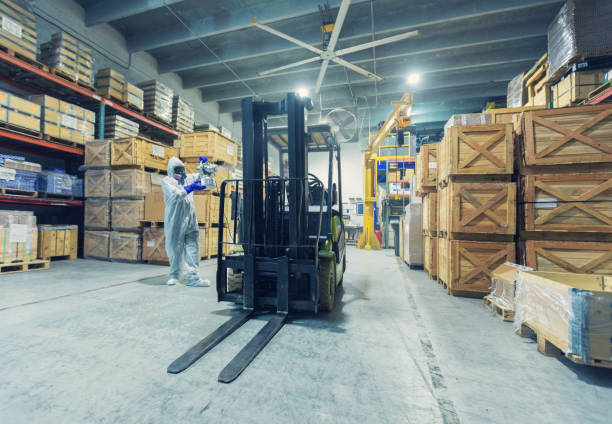
Modern warehouses are under increasing pressure to operate faster, smarter, and more efficiently. As supply chains evolve and customer expectations rise, businesses must rethink how their facilities function. Traditional methods are no longer enough to keep up with demand.
Companies investing in advanced infrastructure often rely on experienced providers like MTLI Group to ensure seamless integration of systems and operations. A strategic approach to warehouse development allows businesses to optimize workflows and prepare for long-term growth.
Introduction to Warehouse Automation Services Miami Florida
Miami has emerged as a key logistics hub, driven by its strategic location and growing industrial ecosystem. With increasing demand for faster deliveries and efficient inventory management, warehouses are facing new operational challenges.
Manual processes often lead to inefficiencies, delays, and higher operational costs. This has created a strong demand for automation technologies that improve accuracy and streamline workflows.
Businesses looking to stay competitive are turning to professional solutions such as MTLI Group, a trusted Warehouse Automation Company to implement advanced systems tailored to their operational needs.
What Are Warehouse Automation Services
Warehouse automation services involve the use of technology to perform tasks that were traditionally handled manually. These services help improve speed, accuracy, and overall efficiency.
Definition and Key Components
Warehouse automation includes a range of technologies such as robotics, software systems, and automated equipment. These components work together to create a seamless and efficient workflow.
Automation systems are designed to handle tasks like inventory tracking, order picking, and goods movement. Each system is integrated to ensure smooth operations across the facility.
Types of Automated Warehouse Systems
Automated warehouse systems vary depending on the needs of the business. Common types include robotics, conveyor systems, and warehouse management software.
These systems are often interconnected to create a fully automated environment that minimizes manual intervention and maximizes efficiency.
Role of Automation in Modern Warehouses
Automation plays a crucial role in transforming warehouse operations. It enables businesses to transition from manual processes to advanced systems that improve productivity and reduce errors.
By adopting automation, warehouses can handle higher volumes of work without compromising on quality or accuracy.
Key Benefits of Warehouse Automation Solutions
Warehouse automation offers several advantages that directly impact business performance and growth.
Improved Operational Efficiency
Automation speeds up processes such as picking, packing, and sorting. This reduces delays and ensures faster order processing.
Efficient workflows also minimize downtime, allowing warehouses to operate at maximum capacity.
Enhanced Accuracy and Reduced Errors
Manual processes are prone to errors, especially in inventory management. Automation systems reduce these risks by ensuring precise tracking and handling of goods.
This leads to improved accuracy in order fulfillment and better customer satisfaction.
Cost Savings and ROI
While automation requires an initial investment, it offers significant long-term savings. Reduced labor costs, fewer errors, and improved efficiency contribute to a strong return on investment.
Businesses can allocate resources more effectively and focus on strategic growth.
Types of Warehouse Automation Systems
Understanding different automation systems helps businesses choose the right solutions for their needs.
Robotic Warehouse Automation
Robotic systems are widely used for tasks such as picking, sorting, and transporting goods. These systems increase speed and reduce the need for manual labor.
Robots can operate continuously, ensuring consistent performance and higher productivity.
Automated Storage and Retrieval Systems
Automated storage and retrieval systems are designed to store and retrieve goods efficiently. These systems optimize space and improve inventory management.
They are particularly useful for warehouses with high storage requirements.
Conveyor and Sorting Systems
Conveyor systems streamline the movement of goods within the warehouse. Sorting systems ensure that items are directed to the correct locations quickly and accurately.
These systems are essential for maintaining smooth operations in high-volume facilities.
How Automation Improves Warehouse Efficiency
Automation directly enhances various aspects of warehouse operations, leading to better overall performance.
Faster Order Fulfillment
Automated systems process orders quickly and accurately. This reduces lead times and improves delivery speed.
Faster fulfillment helps businesses meet customer expectations and maintain a competitive edge.
Better Inventory Management
Automation provides real-time visibility into inventory levels. This allows businesses to track stock accurately and make informed decisions.
Improved inventory management reduces the risk of overstocking or stockouts.
Optimized Space Utilization
Automation systems are designed to maximize the use of available space. This allows warehouses to store more goods without expanding their physical footprint.
Efficient space utilization contributes to cost savings and improved operations.
Choosing the Right Warehouse Automation Services in Miami
Selecting the right automation partner is essential for achieving successful outcomes.
Factors to Consider Before Implementation
Businesses should evaluate their budget, operational requirements, and long-term goals before implementing automation solutions.
Scalability is also important to ensure that systems can adapt to future growth.
Customization and Integration Capabilities
Every warehouse has unique requirements. Automation solutions should be tailored to meet specific operational needs.
Integration with existing systems is crucial for ensuring seamless functionality.
Importance of Expert Consultation
Working with experienced professionals ensures that automation systems are implemented effectively. Experts provide guidance on selecting the right technologies and optimizing workflows.
Challenges in Implementing Warehouse Automation
Despite its benefits, automation comes with certain challenges that businesses must address.
Initial Investment Costs
The cost of implementing automation systems can be significant. Businesses need to plan carefully and consider long-term benefits.
Proper budgeting and planning help ensure a successful implementation.
Integration with Existing Systems
Integrating new automation technologies with existing infrastructure can be complex. Compatibility issues may arise if systems are not aligned.
Experienced providers help overcome these challenges through careful planning and execution.
Training and Workforce Adaptation
Automation requires employees to adapt to new technologies. Training programs are essential to ensure that staff can operate and manage automated systems effectively.
Upskilling employees also contributes to better overall performance.
Future of Warehouse Automation in Miami Florida
The future of warehouse automation is shaped by technological advancements and evolving business needs.
AI and Smart Warehouse Technologies
Artificial intelligence is playing an increasingly important role in warehouse automation. Smart systems can analyze data, predict demand, and optimize operations.
These technologies enable warehouses to operate more efficiently and make better decisions.
Growth of Robotic Systems
Robotic systems are becoming more advanced and widely adopted. Their ability to perform complex tasks with precision makes them an essential component of modern warehouses.
This trend is expected to continue as technology evolves.
Demand for Scalable Automation Solutions
Businesses require flexible solutions that can grow with their operations. Scalable automation systems allow companies to expand without major disruptions.
Facilities supported by an experienced warehouse system integrator can seamlessly implement scalable automation solutions and enhance overall operational efficiency.
Conclusion: Transforming Warehouse Operations with Automation Services
Warehouse automation is no longer an option but a necessity for businesses aiming to remain competitive. It improves efficiency, reduces errors, and supports long-term growth.
By adopting advanced automation solutions, companies can optimize their operations and respond effectively to changing market demands. The right approach to automation ensures that warehouses are equipped to handle future challenges and opportunities.
Businesses looking to enhance their warehouse capabilities can take the next step by contacting the team to explore tailored automation solutions aligned with their operational goals.