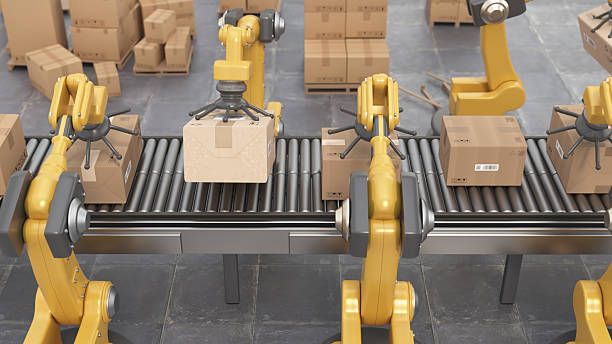
The success of a warehouse automation project depends on more than the equipment you choose. It also depends on the company designing, integrating, and installing the system. Choosing the wrong partner can lead to delays, compatibility issues, unexpected costs, and support problems down the road.
That makes it important to evaluate an warehouse automation company carefully before signing a contract. You need to know what experience they bring, how they approach your facility, and whether they will be there to support the system after installation. But how do you know which company is the right fit?
That's what this guide is here to help you answer. Leveraging more than 40 years of industry experience, MTLI Group breaks down the key factors to consider when choosing a warehouse automation partner. We'll cover everything from technical expertise and project management to system integration and long-term support.
Why the Right Automation Partner Matters So Much
Choosing an warehouse automation company is not like choosing a piece of warehouse equipment. Automation projects can involve everything from system design and electrical work to software integration, installation, testing, and ongoing maintenance. Each part needs to work together for the final system to perform as intended.
There is also a significant amount of investment behind these projects. The U.S. Census Bureau's Annual Capital Expenditures Survey reported that U.S. nonfarm employer businesses spent $12.96 billion on robotic equipment in 2022. With so much capital going into automation, facilities need a partner they can trust to manage the project from start to finish.
So, what should you expect from a capable automation company?
- Strong engineering: The ability to design a system around your facility rather than forcing your operation into a standard setup.
- Reliable project management: A clear plan for timelines, responsibilities, and communication.
- Experienced installation: A team that knows how to properly install and bring automated equipment online.
- Long-term support: Service and maintenance resources that remain available after the project is complete.
In other words, the right partner should help you manage the entire process, not just deliver the equipment. That level of involvement can help reduce project risks and give you greater confidence in the results.
Signs Your Facility Needs to Evaluate a New Partner
Not every automation project goes as planned. Sometimes the issue is not the technology itself, but the company responsible for delivering and supporting it. If you already work with an automation provider, these warning signs may suggest it's time to take another look:
- Repeated delays: Equipment orders or project milestones keep getting pushed back without clear explanations.
- Limited integration knowledge: Your provider cannot clearly explain how new equipment will work with your warehouse management system.
- Incomplete quotes: Proposals leave out important costs such as installation, electrical work, programming, or ongoing maintenance.
- Weak references: The company is unwilling or unable to provide relevant customer references.
- Limited industry experience: The provider has little experience with facilities similar to yours in size, workflow, or industry.
Spotting these issues early gives you more time to evaluate your options. Waiting until equipment has been ordered or installation has started can make changing partners much harder and more expensive.
The need for strong engineering support is also growing. The Bureau of Labor Statistics projects industrial engineering employment to grow 11.0% from 2024 to 2034. That makes it even more important to choose an automation partner with the engineering expertise needed to plan and support your project.
Key Factors to Look for When Choosing a Warehouse Automation Company
Not every warehouse automation company offers the same level of service. Some focus mainly on supplying equipment, while others can manage the entire project from design and integration through installation and ongoing support. Understanding that difference can help you compare providers more accurately and avoid choosing based on price alone.
Before you commit to a partner, look closely at what they can actually handle. The table below highlights the key factors worth evaluating:
| Evaluation Factor | What to Look For | Why It Matters |
|---|---|---|
| Scope of services | Design, installation, electrical, and maintenance under one roof | Reduces handoff gaps between vendors |
| Industry experience | Projects completed in your specific sector | Fewer surprises during implementation |
| Integration capability | Experience connecting to your WMS or ERP | Prevents costly custom development later |
| Installation ownership | In-house field teams versus subcontracted labor | More control over schedule and quality |
| Support after go-live | Preventative maintenance and troubleshooting programs | Protects your investment long term |
The best warehouse automation company should be able to support more than the initial equipment purchase. Strong capabilities across design, integration, installation, and ongoing service can make the project easier to manage. It also helps prevent problems before they become costly setbacks.
Questions to Ask Before You Sign
A few focused questions before signing a contract can help you avoid problems later. You want clear answers about the company's experience, responsibilities, integration capabilities, and support. Consider asking potential automation partners:
- How many projects have you completed for facilities similar to ours?
- Who will handle installation? Will your own team manage it, or will you use subcontractors?
- How will you handle integration issues? What happens if the new equipment does not work smoothly with our existing systems?
- Can you provide relevant customer references? Ideally, speak with clients that have similar facilities or automation needs.
- What support do you provide after go-live? Ask about troubleshooting, preventative maintenance, repairs, and ongoing service.
Pay attention not only to what a company says, but also to how clearly it answers. Specific examples, relevant experience, and a clear support plan can give you more confidence that the provider understands what your project requires. If answers remain vague or responsibilities are unclear, consider that a reason to look more closely before signing.
Choosing Between a Warehouse Robotics Company and a Full-Service Partner
Not every automation project needs the same type of partner. Some vendors specialize in robotics, providing solutions such as automated guided vehicles or robotic picking systems. That can work well for a focused upgrade, but larger projects often involve much more than the robots themselves.
A robotics-only provider may not handle other parts of the project, such as:
- Racking modifications: Existing industrial racking systems may need to be changed to accommodate new equipment.
- Electrical work: Automated equipment needs the right power supply and electrical infrastructure.
- Facility preparation: Floors, clearances, network coverage, and other site conditions may need to be addressed.
- System integration: Robotics need to work with your WMS, conveyors, and other warehouse equipment.
- Installation: Equipment must be installed, tested, and brought online correctly.
This is where a full-service warehouse automation company can offer an advantage. Instead of coordinating several contractors, you can work with one partner that manages the major parts of the project together. That can simplify communication, reduce handoff issues, and give your team a clearer point of contact.
Think of robotics as one piece of a much larger system. A robotic picking solution still needs power, network connectivity, adequate floor space, and a layout that supports its movement. Choosing a partner that understands those dependencies from the beginning can help you avoid unexpected work and costs later.
Red Flags to Watch for During the Selection Process
Choosing an automation partner should not be a rushed decision. A provider may look good during the sales process but fall short once the project begins. Before signing a contract, watch for warning signs such as:
- Pressure to sign quickly without a detailed scope document
- Reluctance to share references or past project details
- Quotes that seem far lower than competitors without a clear explanation
- No mention of ongoing support or maintenance after installation
- Limited experience with your facility type or industry
None of these signs guarantee a bad outcome on their own. Together, though, they point to a warehouse automation company who may not be equipped to manage a project of your scope.
In-House Automation Management vs Outsourcing to a Warehouse Automation Company
Some larger facilities have the internal engineering resources needed to manage an automation project themselves. For others, taking on every part of the process can quickly stretch internal teams too thin. The right approach depends on your in-house expertise, project complexity, and how much coordination your team can realistically handle.
Here's how the main approaches compare:
| Approach | Advantages | Challenges |
|---|---|---|
| In-house management | Full control over vendor selection and timeline | Requires specialized engineering staff |
| Outsourced to a single partner | One point of accountability, coordinated trades | Less direct control over subcontractor choice |
| Multiple specialized vendors | Access to niche expertise per trade | High coordination burden, more handoff risk |
For facilities without a dedicated automation engineering team, working with a single experienced warehouse automation company can simplify the entire process. Instead of managing multiple vendors and coordinating different trades internally, your team has one primary point of contact responsible for keeping the project moving.
Evaluating Cost and Return on Investment
Comparing automation partners based on price alone can be misleading. A lower quote may leave out important parts of the project, only for those costs to appear later as change orders. Before comparing proposals, make sure each one covers the same scope, including installation, electrical work, integration, and commissioning.
It's also important to understand how quickly the investment could pay for itself. Ask each potential partner to explain its estimated ROI based on your actual labor costs, order volume, and throughput. A turnkey automation approach can also make costs and payback easier to understand when design, equipment, and installation are managed by one provider.
A few practical steps make cost comparisons easier to trust:
- Request an itemized breakdown, not just a single bottom-line number
- Ask what is excluded from the quote, not only what is included
- Confirm whether ongoing maintenance is priced separately or bundled in
- Compare payback estimates using your own throughput numbers, not industry averages
A detailed quote gives you a much clearer basis for comparison. If a warehouse robotics company cannot explain where your money is going, that's worth considering before you move forward.
Why MTLI Group Stands Out as a Warehouse Automation Company
MTLI Group brings more than 40 years of experience to warehouse automation projects across North America. We bring automation, racking, electrical work, and installation together under one coordinated approach. So, you have a clear point of accountability throughout the project.
With more than 15,000 completed projects, we've worked through a wide range of facility layouts, system requirements, and integration challenges. We work with your existing infrastructure rather than assuming every facility starts from scratch. Our installation and electrical teams also work together under one project plan, from design and installation through ongoing support.
This approach has supported projects for both Fortune 500 companies and mid-sized distribution centers. By keeping key services connected, we help reduce coordination gaps and make complex automation projects easier to manage.
Making the Right Choice for Your Facility
Choosing a warehouse automation company can affect much more than the equipment you install. It can influence your project timeline, budget, system integration, and long-term performance. Taking the time to compare providers, ask detailed questions, and check relevant references can help you avoid unnecessary surprises.
At MTLI Group, we can help you evaluate your options and understand what a well-planned automation project could look like for your facility. Contact our team to discuss your operation, goals, and next steps.