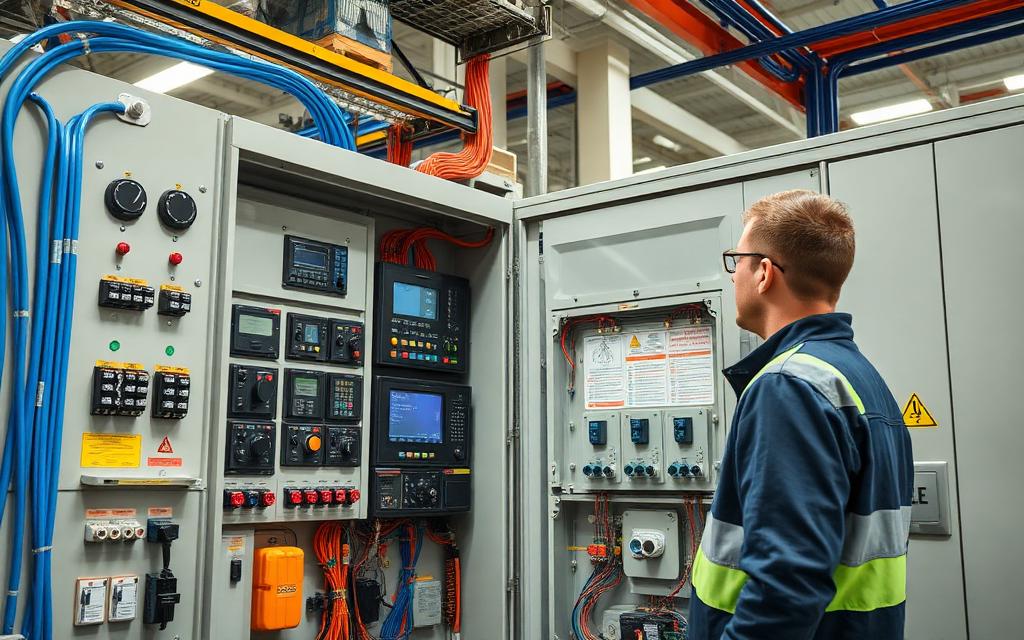
Automation projects rarely fail because the conveyor or the robotic picker doesn't work. They fail because the electrical plan underneath it was never built to support what got installed on top of it. Electrical systems integration for warehouse automation is the planning work that happens before equipment shows up, and skipping it is the single fastest way to turn a promising automation project into a stalled one.
This guide walks through the planning considerations that matter most before automation equipment ever hits the floor. MTLI Group provides electrical automation services built around this kind of upfront planning, rather than reacting to problems after installation begins.
Start With Load Requirements, Not Equipment Specs
Most automation planning starts in the wrong place: picking equipment first, then figuring out the electrical side later. That order almost always causes problems, since automated systems, especially anything involving motors, sensors, and continuous-duty conveyors, draw power in patterns standard commercial wiring was never sized for.
The better starting point is a load audit of the entire automation scope before any equipment gets ordered. Our guide to industrial electrical contracting covers why this sequencing matters, particularly for facilities used to standard commercial electrical work rather than industrial-scale planning. Projects involving automated storage and retrieval need this discipline most of all, since ASRS installation depends on precisely calculated, continuous power delivery that a rough estimate simply cannot guarantee.
Panel Capacity and Power Distribution Planning
Once load requirements are known, the next question is whether existing electrical infrastructure can actually support them. Older facilities in particular often have panels sized for lighting, HVAC, and basic equipment, nowhere near what a modern automation rollout requires.
This is where a lot of projects quietly go over budget. Discovering insufficient panel capacity mid-installation forces a scramble to add distribution equipment that should have been planned for from day one. Facilities working through a larger renovation alongside automation should fold electrical capacity planning directly into that scope, since teams handling heavy industrial installation work can assess panel and distribution needs at the same time as structural and mechanical planning, rather than treating electrical capacity as a separate, later conversation.
Choosing Between In-House Controls and a Dedicated Controls Company
Facilities planning an automation rollout eventually face a staffing question: manage the controls programming and electrical systems integration or bring in a dedicated controls company to handle it.
| Consideration | In-House Controls Team | Dedicated Controls Company |
|---|---|---|
| Upfront Cost | Lower, uses existing staff | Higher, specialized service fee |
| Programming Expertise | Limited to current staff skill | Deep, project-specific experience |
| Speed of Implementation | Often slower, learning curve | Faster, established processes |
| Long-Term Support | Depends on staff retention | Contracted, consistent |
Smaller in-house teams can handle straightforward automation additions, but larger or more complex rollouts, particularly anything involving conveyor system sequencing across multiple zones, usually benefit from a specialist who has programmed similar systems before. Facilities in manufacturing frequently make this call based on how much ongoing customization the system will need after go-live, since in-house teams often manage day-to-day adjustments more easily once a system is running.
Sequencing Electrical Work Around an Automation Rollout
Timing matters as much as capacity. Electrical work finalized before automation needs are fully scoped almost always creates gaps, missing conduit runs, undersized panels, or conduit routed through spaces automation equipment ends up occupying.
The fix is sequencing electrical rough-in after automation layout is locked, not before. This is especially relevant on facilities undergoing industrial renovation work, where electrical and structural scope often get finalized together under tight deadlines. Building in a checkpoint to confirm automation equipment placement before electrical work is sealed up saves far more time than it costs.
The Compliance Reality Behind Electrical Planning
Planning gaps in electrical systems integration don't just cause delays. They create real safety exposure, and the enforcement data backs that up. Control of Hazardous Energy, the OSHA standard governing lockout and tagout procedures during equipment servicing, ranked fourth on OSHA's list of most frequently cited standards for fiscal year 2025, with 2,177 violations. Automation equipment, with its mix of motors, sensors, and interconnected controls, raises the stakes on getting these procedures right from the start.
The injury data tells a similar story. Non-fatal electrical injuries involving days away from work totaled 5,180 combined across 2023 and 2024, a 59 percent increase from the prior two-year period, according to the Electrical Safety Foundation International. That jump underscores why planning, not just installation, is where safety outcomes actually get set. Facilities in warehousing and distribution carry particular exposure here, since automation equipment often shares floor space with staff performing manual tasks nearby.
Budgeting for Integration: What Gets Missed
Electrical systems integration budgets frequently underestimate a few recurring categories, and knowing them ahead of time avoids painful surprises mid-project.
| Budget Category | Commonly Underestimated Because | Typical Impact if Missed |
|---|---|---|
| Panel and Distribution Upgrades | Assumed existing capacity is sufficient | Mid-project rework, added cost |
| Controls Programming | Treated as a minor add-on | Delays in commissioning |
| Safety Interlocks and Guarding | Scoped after equipment is ordered | Compliance gaps at inspection |
| Staff Training | Not budgeted at all | Underused automation post-launch |
Equipment installation itself is usually priced accurately, since it's the most visible line item. What gets missed is everything surrounding it. Teams managing automation equipment installation see this pattern often, where the equipment budget is solid but the supporting electrical and training budget falls short. Businesses serving 3PL and logistics clients feel this gap acutely, since a stalled commissioning timeline directly delays the throughput improvements the automation was supposed to deliver.
Planning Errors That Delay a Warehouse Automation Launch
The most common planning error is treating electrical scope as a subcontractor line item rather than a core part of the automation design itself. When electrical planning happens in isolation from the automation equipment selection, mismatches surface late, often after equipment has already been ordered and is difficult to change.
A second common error is underestimating the training gap. Staff need to understand not just how to operate new equipment, but how the electrical and controls systems behind it actually work, particularly for troubleshooting. Facilities focused on e-commerce fulfillment, where seasonal volume spikes put automation systems under real pressure, feel this gap fastest when a fault occurs during a peak period and no one on staff knows how to diagnose it quickly. Skipping a phased commissioning plan is a third frequent mistake, particularly on larger warehouse automation rollouts, where testing each zone individually before full activation catches problems while they're still cheap to fix.
How MTLI Plans Electrical Integration for Automation Projects
MTLI Group treats electrical planning as inseparable from automation design, not a downstream task handed off once equipment decisions are finalized. Our process starts with a load audit and panel assessment before any equipment specification is locked in, so the electrical scope reflects what the system actually needs rather than a rough estimate.
As both an electrical automation company and a full-service installer, we keep design, controls programming, and physical installation under one accountable team, closing the coordination gaps that typically appear when these pieces get split across separate vendors.
Work With an Electrical Automation Company That Plans Ahead
Electrical systems integration succeeds or fails based on planning decisions made long before any wiring goes in. Facilities that treat electrical planning as a core part of automation design, not an afterthought, avoid the delays, budget overruns, and compliance gaps that derail so many rollouts.
MTLI Group works with businesses nationwide to deliver electrical systems integration built on real planning, not guesswork. Contact our team to start planning your warehouse automation project.