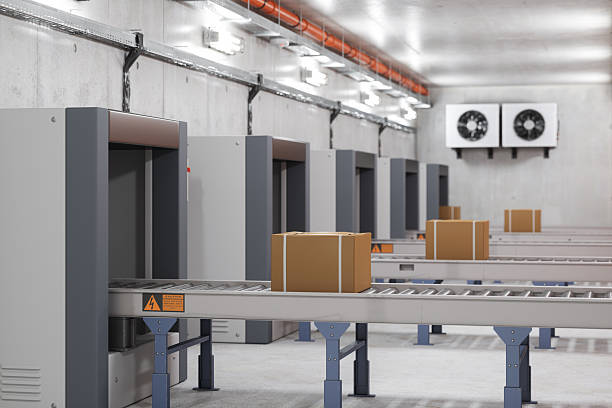
Cold storage runs on a tighter margin for error than almost any other part of a supply chain. A door left open too long, a slow pick that lets product sit too close to a loading dock, or a manual count that misses a pallet near its expiry date can all turn into real loss. An estimated 35.5 million metric tonnes of food is wasted in Canada each year, and 32% of that waste is avoidable, with temperature control issues across the food supply cold chain identified as a major contributor (National Collaborating Centre for Environmental Health, Climate Change Impacts on Canada's Food Supply Cold Chain). For food distributors, cold storage automation is one of the most direct ways to close these gaps.
MTLI designs and builds automated cold storage facilities for food distributors across Canada. This guide covers what to consider before automating a freezer or cooler operation, from equipment choice to worker safety to the real cost of getting it wrong.
Why Cold Storage Needs a Different Approach Than Ambient Warehousing
Standard warehouse automation principles do not transfer directly into a freezer or cooler environment. Equipment that runs fine at room temperature can fail or wear out faster in sustained cold. Workers face added physical risk from low temperatures on top of the usual lifting and walking hazards. And the cost of a slow process is higher, since every extra minute a product spends outside its ideal temperature range chips away at shelf life and food safety margins.
This means a cold storage automation project needs its own set of design choices, not a copy-paste version of a standard distribution centre plan.
Core Equipment Choices for Cold Storage Automation
Several types of automated systems work well in cold environments, though each comes with its own cold-specific considerations.
- Automated Storage and Retrieval Systems (ASRS). Cranes built for cold use need cold-rated motors, lubricants, and seals, since standard components can stiffen or fail at low temperatures.
- Conveyor systems. Belts and rollers need cold-rated materials, since standard rubber compounds can crack or lose grip in sustained freezer conditions.
- Robotic picking and palletizing. Robots reduce the time workers spend exposed to cold, but their control cabinets often need heating elements to keep electronics within their rated operating range.
- Automated temperature monitoring. Sensors throughout the facility track temperature in real time, flagging any zone drifting outside its set range before product is affected.
Standard vs. Cold-Rated Equipment Considerations
| Equipment Type | Standard Warehouse Consideration | Cold Storage Consideration |
|---|---|---|
| Conveyor belts and rollers | Standard rubber compounds | Cold-rated materials to prevent cracking |
| Motors and drives | Standard lubricants | Cold-rated lubricants to prevent stiffening |
| Control panels | Standard enclosure | Heated enclosures to protect electronics |
| Sensors | Periodic calibration | More frequent calibration due to condensation risk |
| Racking | Standard steel coating | Corrosion-resistant coating for humidity and frost |
Freezer Warehouse Systems and Structural Planning
Building or retrofitting freezer warehouse systems involves more than installing racking and equipment in a cold room. The building envelope itself needs careful planning, since insulation, vapour barriers, and floor design all affect how well the space holds its set temperature.
Floors in freezer environments need specific design to prevent frost heave, where ground moisture freezes and expands beneath the slab, causing the floor to crack or buckle over time. This usually requires either a heated floor system or a properly designed insulation layer beneath the slab. Skipping this step during construction creates a structural problem that is far more expensive to fix once the facility is operating than it would have been to address during the original build.
Cold Chain Logistics and Why Speed Matters More Here
Cold chain logistics depends on keeping product within a set temperature range from receiving through to shipping, with no break in that chain. Every manual step, such as a worker walking a pallet across the floor or searching for an item in a poorly organized freezer, adds time that the product spends exposed to temperature fluctuation, particularly near open dock doors.
Automation reduces this exposure directly. A goods-to-person system or an ASRS retrieves product and delivers it to a picking or packing station quickly, cutting the time a pallet sits in transit compared to a worker manually locating and moving it. This speed gain matters more in cold storage than in ambient warehousing, since temperature exposure has a cumulative effect on shelf life and food safety.
Worker Safety Considerations Unique to Cold Environments
Cold environments carry health risks that standard warehouse safety plans do not fully address. Federal regulations require employers to develop and implement procedures for monitoring and controlling thermal stress in the workplace, covering both heat and cold exposure for indoor and outdoor work (Government of Canada, Thermal Stress in the Work Place). The Canadian Centre for Occupational Health and Safety further notes that uncomfortably cold working conditions can lower work efficiency and raise incident rates, making proper cold stress controls both a safety and a productivity issue (CCOHS, Cold Environments - Overview).
Automation directly reduces the time workers spend inside the coldest zones of a facility. A worker overseeing an automated picking station near a freezer entrance faces far less cold exposure than one walking deep into freezer aisles for an entire shift. This shift in role also reduces the physical strain that cold weather adds to manual lifting and carrying tasks.
Typical Cold Storage Automation Project Phases
| Phase | Core Activity | Estimated Duration |
|---|---|---|
| Assessment | Structural review, insulation and floor design check | 1 to 2 months |
| Design | Equipment selection, layout planning, cold-rating specs | 1 to 2 months |
| Construction | Floor and insulation work, electrical upgrades | 3 to 5 months |
| Installation | Cold-rated equipment setup, controls integration | 2 to 4 months |
| Commissioning | Temperature testing, staff training, final sign-off | 1 month |
Calculating the Financial Case for Automation
Food distributors weighing a cold storage automation project should account for both labour savings and reduced product loss in their financial case. Automated systems reduce the time product spends outside its ideal temperature range, which can lower spoilage rates and reduce the volume of avoidable food loss tied to temperature control issues across the cold chain.
Labour savings follow a similar pattern to standard warehouse automation, with reduced manual transport and faster picking translating into lower cost per order. The combined savings from both reduced spoilage and reduced labour hours typically give cold storage automation a stronger return than the same investment would deliver in an ambient warehouse, since the cost of a slow manual process is higher in a temperature-sensitive environment.
Common Mistakes Food Distributors Make
A few recurring mistakes show up in cold storage automation projects:
- Using standard equipment without cold-rated components. Equipment not built for sustained cold fails faster and costs more in repairs than equipment specified correctly from the start.
- Underestimating insulation and floor design needs. Skipping proper floor design risks frost heave and structural damage over time.
- Ignoring condensation effects on sensors. Sensors and electronics need protection from moisture buildup, which is more common in cold, humid environments.
- Treating cold storage safety the same as ambient warehouse safety. Cold stress controls need specific planning, separate from standard ergonomic and equipment safety measures.
- Skipping a true cost-benefit analysis that includes spoilage. Looking only at labour savings undercounts the real financial case for automating a cold storage operation.
How MTLI Builds Cold Storage Automation Projects for Food Distributors
MTLI manages cold storage automation projects from initial structural assessment through final commissioning. Our construction and general contracting team handles the insulation, floor design, and building envelope work that cold storage facilities need, while our warehouse automation team specifies cold-rated equipment suited to freezer and cooler environments.
Our storage and racking solutions team installs corrosion-resistant racking designed for humid, cold conditions, and our facility management services support ongoing maintenance once the system is running, since cold environments place added wear on both mechanical and electrical components.
Building a Cold Storage Operation Built for Reliability
Cold storage automation carries real benefits for food distributors, from reduced product loss to safer working conditions for staff. Getting the project right depends on planning for the specific demands of a cold environment from the start, rather than applying standard warehouse automation principles without adjustment.
If your company operates in cold storage or food and beverage, MTLI can assess your facility and build a cold storage automation plan suited to your specific product and volume. Contact MTLI to start an assessment for your operation.