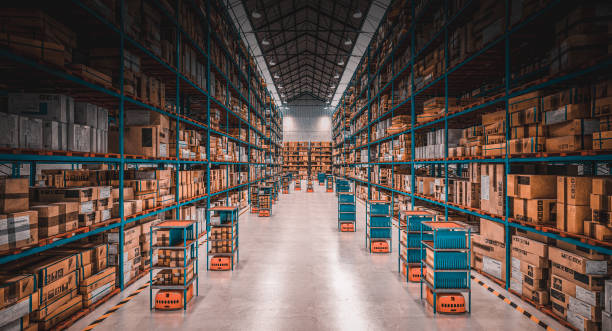
Outgrowing a warehouse doesn't always mean it's time to move. Sometimes it means the space is being used inefficiently, and the fastest fix isn't a new lease, it's making better use of the building already paid for. Automation is increasingly the tool businesses reach for first, buying years of extra capacity before facility relocation services even enter the conversation.
This guide looks at how automation changes that timeline, and where it stops working as a substitute for a move. MTLI Group's guide to facility relocation breaks down what a move actually involves for businesses trying to weigh both options honestly.
The Real Question Behind Every Relocation Decision
Most relocation decisions get triggered by one thing: a business believes it has run out of physical capacity. But capacity and square footage aren't the same number. A facility running manual processes at 60 percent efficiency has a lot more room to grow than its floor plan suggests, and automation is often what closes that gap.
The honest question isn't "do we need more space." It's "have we actually maximized the space we have." Businesses skip this step constantly, jumping straight to browsing listings for commercial relocation solutions before ever pricing out what automation could add to their current building. Our warehouse automation team runs this capacity analysis first, specifically to answer that question before anyone starts touring new buildings.
How Automation Extends What a Facility Can Handle
Automation doesn't add square footage. It adds throughput and density within the footprint that already exists, which is functionally the same outcome from a growth standpoint. A facility that can move twice the volume through the same dock doors, or store 40 percent more product in the same racking footprint, has effectively created capacity without moving an inch.
The gains stack, too. Faster picking frees up labor for other tasks. Denser storage delays the need for more racking. Fewer errors mean less rework eating into daily capacity. None of these show up on a floor plan, but all of them push back the date a business actually needs to relocate. Getting the sequencing right on a project like this usually comes down to working with the right automation installation partner, since a poorly sequenced rollout can create more disruption than the capacity gain is worth.
Automation Applications That Buy the Most Time
Not every automation investment delays relocation equally. Some additions solve a narrow bottleneck, while others reshape how much a facility can handle overall.
| Automation Type | Capacity Impact | Typical Payback |
|---|---|---|
| Conveyor and Sortation Upgrades | Moderate, speeds material flow | 1 to 2 years |
| Automated Storage and Retrieval | High, maximizes density | 2 to 4 years |
| Pick-to-Light or Voice Picking | Moderate, reduces labor bottlenecks | 1 to 3 years |
| Automated Guided Vehicles | Moderate to high, depending on scale | 2 to 3 years |
Conveyor and sortation projects tend to deliver the fastest wins, since they attack the most visible bottleneck in most facilities: how quickly product moves from receiving to storage to shipping. Our conveyor systems work often becomes the first phase of a longer automation plan for exactly this reason. Automated Storage and Retrieval System (ASRS) projects take longer to pay back but deliver the biggest single jump in density, which is why ASRS installation is usually the centerpiece of a serious effort to delay relocation by several years rather than one.
The Market Backdrop Making This Question More Urgent
Delaying a move isn't just about saving on moving costs. It's about avoiding a real estate market that keeps shifting under everyone's feet. E-commerce's share of total retail sales reached 16.4 percent in the third quarter, a new record that surpassed the previous high set in 2020, according to a recent industrial space demand forecast from the NAIOP Research Foundation. That growth keeps pulling more businesses into the market looking for fulfillment and distribution space at the same time.
The same forecast notes that vacancy rates are expected to tick up slightly this year as new industrial deliveries continue to outpace absorption, even as leasing activity from logistics and 3PL and logistics operators keeps climbing. That combination, more competition for space alongside a market still working through recent construction, makes timing a relocation harder to get right. A business that can automate its way through the next growth phase avoids having to gamble on when the market actually favors the mover.
When Automation Pays Off vs When It's Just Delaying the Inevitable
Automation makes the most sense when a facility's core problem is efficiency, not size. If picking speed, storage density, or error rates are the bottleneck, automation usually solves it faster and cheaper than a move ever could.
| Situation | Automation Likely Helps | Relocation Likely Needed |
|---|---|---|
| Low storage density in current footprint | Yes | No |
| Slow, manual picking process | Yes | No |
| Building footprint physically too small | Limited | Yes |
| Ceiling height too low for density gains | No | Yes |
| Location no longer serves customer base | No | Yes |
Facilities in manufacturing frequently fall into the first category, since production and storage inefficiencies often mask real available capacity within an existing building. But when the constraint is structural, low ceilings, an undersized footprint, or a location that no longer makes geographic sense, automation can only soften the problem, not solve it.
Signs Automation Won't Be Enough
Ceiling height is usually the first hard limit. Automated storage systems can only add density up to whatever clearance a building actually has, and no amount of software can raise a roof. If existing storage racking is already close to maxing out available height, automation adds less capacity than the investment might suggest.
Location is the other wall businesses eventually hit. Automation can make a facility run faster, but it can't move it closer to a shifting customer base or a new transportation corridor. Businesses scaling e-commerce fulfillment operations often run into this specific problem, since same-day and next-day delivery commitments depend on geography in a way no amount of internal efficiency can fix.
How MTLI Helps Businesses Decide What's Next
MTLI Group runs a capacity and automation assessment before recommending either path, since the answer isn't the same for every facility. Our facility relocation services look at ceiling height, floor load, current throughput, and growth projections to determine whether automation realistically buys enough time to be worth the investment.
When a move genuinely is the better answer, our commercial relocation division manages the transition directly, including equipment disassembly, transport, and reinstallation at the new site, so businesses aren't left coordinating separate vendors for the move itself.
Full-Service Relocation Solutions When the Time Comes
Automation can push relocation timelines out significantly, sometimes by years, but it isn't a permanent substitute for a facility that has genuinely outgrown its footprint or its location. Knowing which situation you're actually in is what separates a smart investment from a delayed decision that costs more in the long run.
MTLI Group provides full-service relocation solutions alongside industrial relocation services and warehouse liquidation services for businesses that have reached that point, plus the automation expertise to help others avoid it a while longer. Contact our team to talk through which path fits your facility.